China’s renewable energy generation surpasses 40% of total power output for first time in H1 2026
China's renewable energy sector saw rapid growth in the first half of 2026, with renewable power generation accounting for more than 40% of total electricity generation for the first time.
Intelligence analysis by Llama
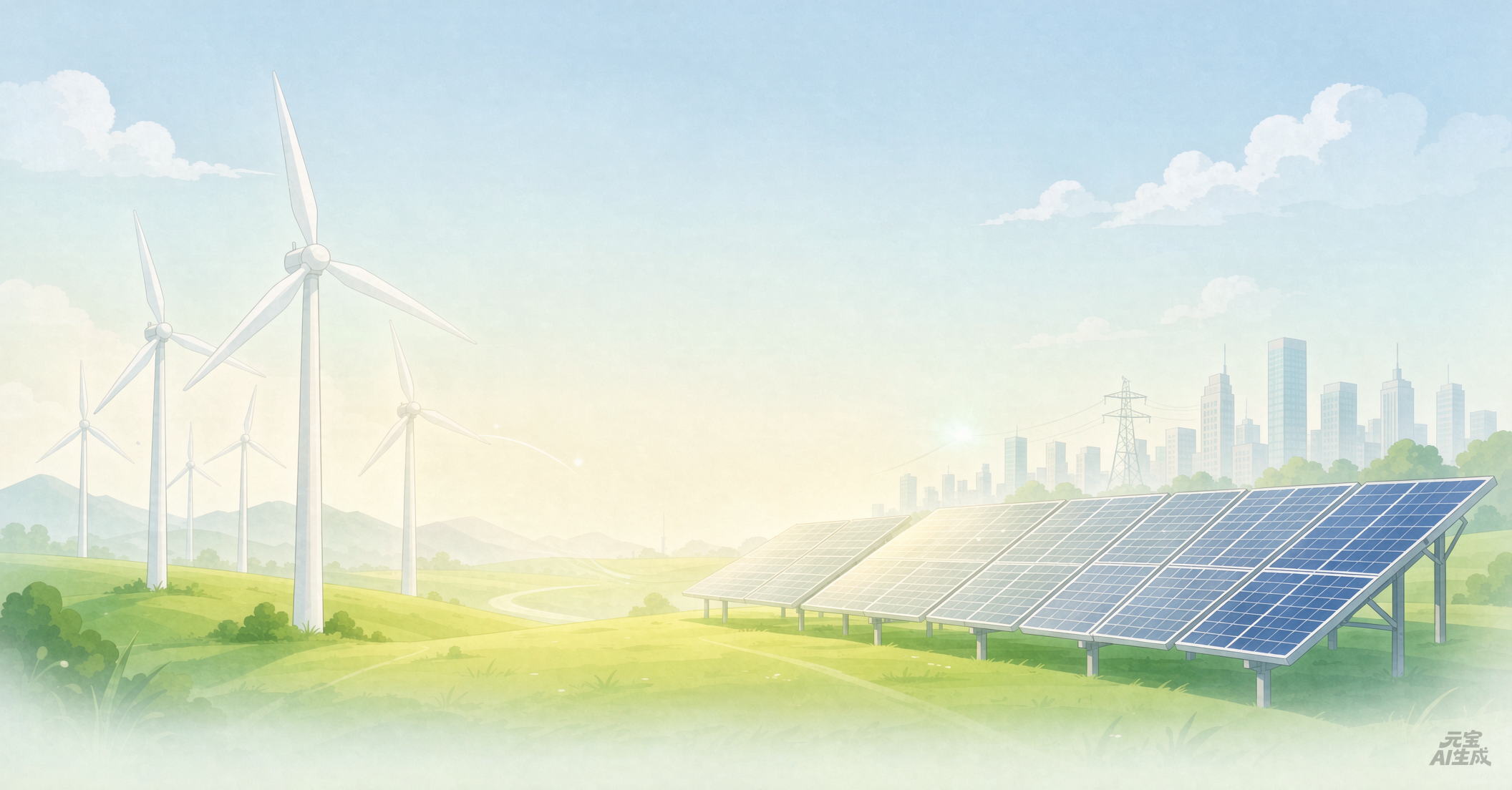
China's renewable energy generation reached nearly 2 trillion kWh in the first half of 2026, with combined power generation from wind and solar sources totaling 1.25 trillion kWh. This marked the first time that coal power's share of China's electricity generation dropped below 50% for a half-year period.
China has made a big step towards using more renewable energy like wind and solar power. This is good for the environment and creates new jobs. China is still using a lot of coal, but it's getting better at using cleaner energy.
Analysis
A $60B Vote of Confidence
China's renewable energy sector has seen rapid growth in the first half of 2026, with renewable power generation accounting for more than 40% of total electricity generation for the first time. This milestone is a testament to the country's commitment to transitioning away from fossil fuels and towards cleaner energy sources. The National Energy Administration (NEA) announced that China's renewable energy generation reached nearly 2 trillion kWh in the first half of the year, with combined power generation from wind and solar sources totaling 1.25 trillion kWh. This represents a 9% year-over-year increase in renewable energy generation. In terms of installed capacity, China added 117 million kW of renewable energy capacity in the first half of the year, accounting for 73.9% of the country's total newly added power capacity. Renewables continued to lead new capacity growth. By the end of June, China's total renewable energy capacity had reached 2.455 billion kW, which accounted for more than 60% of the country's total installed power capacity. Meanwhile, coal-fired power generation totaled 2.5 trillion kWh in the first half of the year, with its share of total electricity generation falling to 49.7%. This marked the first time that coal power's share of China's electricity generation dropped below 50% for a half-year period. The NEA's announcement is a significant development in China's energy landscape, and it highlights the country's commitment to transitioning away from fossil fuels. The growth of renewable energy in China is not only good for the environment, but it also has significant economic benefits. The renewable energy sector is creating new jobs and stimulating economic growth, which is essential for China's continued development.
Why Cursor?
The growth of renewable energy in China is not without its challenges. The country still relies heavily on coal-fired power, and the transition to renewable energy will require significant investment and infrastructure development. However, the NEA's announcement is a positive step towards a cleaner and more sustainable energy future. The growth of renewable energy in China is also having a positive impact on the country's air quality. The reduction in coal-fired power generation has led to a decrease in air pollution, which is having a positive impact on public health.
The Road Ahead
The growth of renewable energy in China is a significant development, and it has significant implications for the country's energy landscape. The NEA's announcement is a positive step towards a cleaner and more sustainable energy future. However, the transition to renewable energy will require significant investment and infrastructure development. The country will need to continue to invest in renewable energy infrastructure, including wind and solar farms, and transmission lines. Additionally, the country will need to continue to develop policies and regulations that support the growth of renewable energy. The growth of renewable energy in China is a positive development, and it has significant implications for the country's energy landscape. It highlights the country's commitment to transitioning away from fossil fuels and towards cleaner energy sources, and it has significant economic and environmental benefits.
Key points
- China's renewable energy generation reached nearly 2 trillion kWh in the first half of 2026.
- Combined power generation from wind and solar sources totaled 1.25 trillion kWh.
- Coal-fired power generation totaled 2.5 trillion kWh in the first half of the year.
- China added 117 million kW of renewable energy capacity in the first half of the year.
- Renewables continued to lead new capacity growth.
If this development continues, China's renewable energy sector could become even more dominant, leading to a significant reduction in air pollution and greenhouse gas emissions. This could have a positive impact on public health and the environment.
However, the transition to renewable energy is not without its challenges. China will need to continue to invest in renewable energy infrastructure and develop policies and regulations that support the growth of renewable energy. If this does not happen, the country may struggle to meet its renewable energy targets.