China’s Study Abroad Boom Finds a New Generation: Retirees
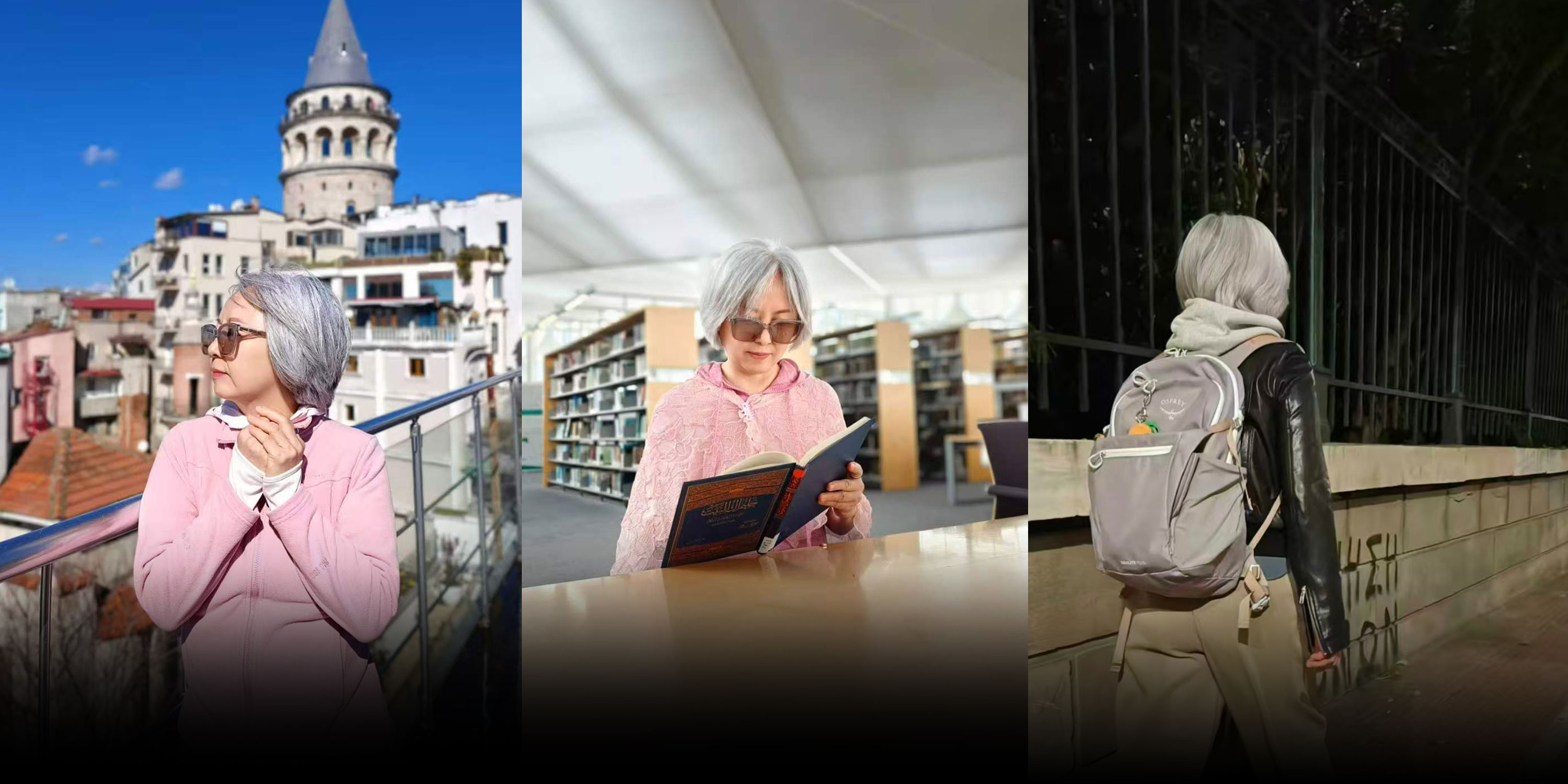
Two Chinese women in their 50s returned to school thousands of kilometers from home, studying alongside classmates young enough to be their children. They are part of a growing number of Chinese retirees looking overseas for education.
Intelligence analysis by Llama
A growing number of Chinese retirees are pursuing overseas education, but many are finding classrooms designed for younger students. Some education providers are designing programs specifically for retirees, offering cultural immersion and hands-on learning.
Imagine you're 50 years old and want to learn something new. You might want to travel and learn about a new culture, but it's hard when the classes are designed for kids. Some people are making special programs just for older adults, so they can learn and have fun together.
Analysis
A New Generation of Students: Retirees in China's Study Abroad Boom
China's study abroad boom has traditionally been associated with young students, but a growing number of retirees are now seeking overseas education. According to estimates, the market for older adults will reach 1.2 trillion yuan ($167 billion) by 2030. However, many retirees are finding that classrooms designed for younger students are not suitable for their needs.
Ella Wang, 58, and Zhao, 54, are two Chinese women who returned to school thousands of kilometers from home. Wang studied Greek archaeology, history, and literature at the University of Athens, while Zhao enrolled in an English program in New Zealand. Both women found the experience challenging, with Zhao feeling overwhelmed by the pace of the classes and Wang struggling to keep up with her younger classmates.
The mismatch between the needs of older students and the programs available has led some education providers to design courses specifically for retirees. New Oriental's Global Campus Center offers two- to four-week overseas programs, including art courses in the UK and culinary courses in France. These programs require no prior language skills and include interpreters and coordinators during the trip.
Yao Xiaoqiong, head of New Oriental's Global Campus Center, told Sixth Tone that older clients generally seek cultural immersion and hands-on learning rather than degrees. Zhang, 56, who enrolled in a six-week program at the same school, found the pace equally punishing. She began to question what she was struggling for and wondered if she really needed to learn history, biology, and math at her age.
The experience of these retirees highlights the need for education providers to design programs that cater to the needs of older students. By offering cultural immersion and hands-on learning, education providers can help retirees achieve their goals and make the most of their time abroad.
The Challenges of Studying Abroad as a Retiree
Studying abroad as a retiree can be challenging, especially when classrooms are designed for younger students. Wang and Zhao's experiences demonstrate the difficulties that older students face in adapting to new environments and keeping up with younger classmates.
However, not all retirees have had negative experiences. Wang, who studied at the University of Athens, found her way back to an undergraduate thesis she had never considered complete. She gradually learned to manage the classes, grew more confident, and found time to hike and make local friends through a church.
The Future of Study Abroad for Retirees
The growing trend of Chinese retirees seeking overseas education is likely to continue, driven by greater financial security, more control over their time, and familiarity with overseas education after sending their own children abroad. Education providers will need to adapt to meet the needs of this new generation of students, offering programs that cater to their needs and provide a suitable learning environment.
In conclusion, the story of Chinese retirees seeking overseas education highlights the need for education providers to design programs that cater to the needs of older students. By offering cultural immersion and hands-on learning, education providers can help retirees achieve their goals and make the most of their time abroad.
Key points
- A growing number of Chinese retirees are seeking overseas education.
- Many retirees are finding classrooms designed for younger students are not suitable for their needs.
- Education providers are designing programs specifically for retirees, offering cultural immersion and hands-on learning.
- The study abroad market for retirees is likely to grow, driven by greater financial security and familiarity with overseas education.
If education providers continue to adapt to the needs of older students, the study abroad market for retirees is likely to grow, offering more opportunities for cultural immersion and hands-on learning.
However, the challenges of studying abroad as a retiree, such as adapting to new environments and keeping up with younger classmates, may continue to deter some older adults from pursuing overseas education.