China's Tech Bubble
China's leaders have worked to disconnect its tech sector from the rest of the world, preferring Chinese companies to use local chips and technology. This strategy appears to be working, but it threatens to slow innovation within the country by keeping out the world's bes…
Intelligence analysis by Llama
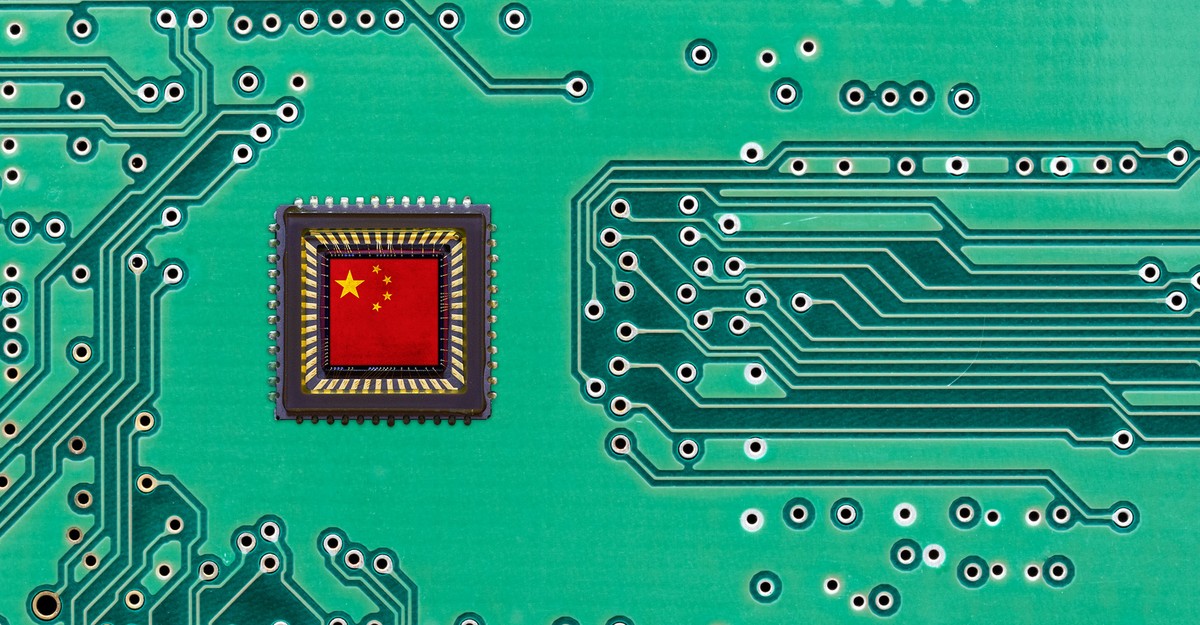
China's defensive insularity in the tech sector may hold the country back in truly global technological industries, such as AI, where openness to foreign ingenuity was key to its previous rise to leadership.
Imagine you're building a Lego castle, but you can only use Legos made in your own country. That's kind of what's happening in China's tech sector. The government wants Chinese companies to use local technology and chips, but this is making it harder for them to innovate and compete globally.
Analysis
A $60B Vote of Confidence
China's leaders have made a significant investment in their tech sector, with a focus on developing domestic research and manufacturing capabilities. This effort has been driven by a desire to reduce the country's dependence on foreign technology and to protect its economy from foreign threats. The strategy appears to be working, with Chinese companies like DeepSeek and Z.ai making significant strides in the AI space. However, this emphasis on self-sufficiency has come at a cost, with China expending massive resources creating its own versions of what the rest of the world already has. The Chinese chip industry is making progress, but it's still playing catch-up with the West. China's AI firms have had to operate without the best chips, and this disadvantage will likely last if Beijing insists that they use Chinese alternatives.
Why Cursor?
China's efforts to build a fully Chinese supply chain for computer chips has proved uniquely hard. The process of making semiconductors is immensely complex and dauntingly global, involving supply chains that span numerous countries. Re-creating that chain in one place is essentially impossible, and even attempting it is cost-prohibitive and self-defeating. China will continue to pursue its own chip industry anyway, but this emphasis on self-sufficiency has surely come at a cost.
The Road Ahead
China's AI firms are emerging in a heavily censored and protected domestic market. The mandate that Chinese companies and consumers use AI models developed by DeepSeek, Alibaba, Moonshot, and other Chinese firms, not OpenAI's ChatGPT or Anthropic's Claude, means that local users are being deprived of the world's top AI at a time when the technology is influencing economies and societies across the globe. In April, Beijing's regulators took the unusual step of ordering Meta to reverse its $2 billion acquisition of the Singapore-based AI firm Manus, founded in China. This move highlights the challenges that Chinese AI firms face in accessing the best technology and talent from around the world.
Key points
- China's leaders have worked to disconnect its tech sector from the rest of the world, preferring Chinese companies to use local chips and technology.
- This strategy appears to be working, but it threatens to slow innovation within the country by keeping out the world's best tech.
- China's emphasis on self-sufficiency in the tech sector has come at a cost, with the country expending massive resources creating its own versions of what the rest of the world already has.
- China's AI firms are emerging in a heavily censored and protected domestic market, which is depriving local users of access to the world's top AI technology.
If China can successfully develop its own chip industry and AI technology, it could potentially reduce its dependence on foreign technology and improve its economic security. However, this would require significant investments in research and development, as well as a willingness to adopt more open and collaborative approaches to innovation.
China's emphasis on self-sufficiency in the tech sector could lead to a decline in innovation and competitiveness, particularly in industries like AI where access to the best technology is crucial. This could have significant implications for China's ability to influence economies and societies across the globe.