China’s top AI is still trained on Nvidia chips. What is delaying a switch to local tech?
China's most advanced AI models are still being trained on Nvidia chips due to high transition costs and engineering bottlenecks.
Intelligence analysis by Llama
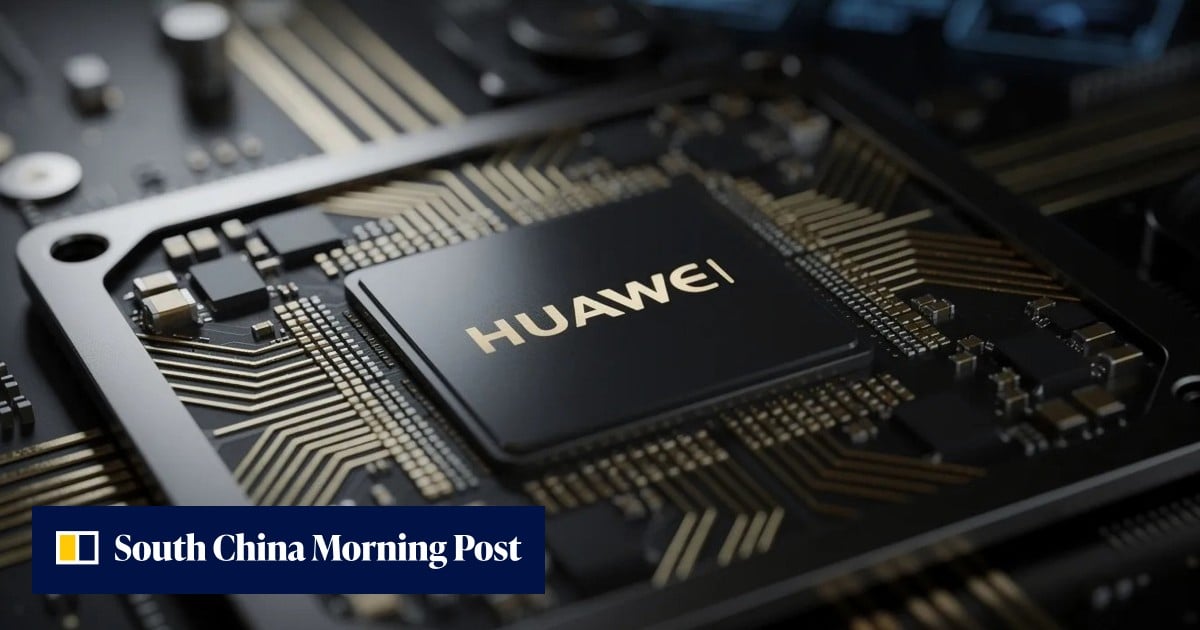
China's top AI developers are reliant on Nvidia chips for training due to the prohibitively high cost of switching to local semiconductors.
China's top AI computers are still using special chips made by a company called Nvidia. It's hard and expensive to change to new chips made in China, so they're sticking with what they know.
Analysis
Nvidia's Dominance in AI Development
China's most advanced artificial intelligence models are still being trained on Nvidia chips, sources at major Chinese large language model (LLM) developers say. The prohibitively high cost of switching to local semiconductors continues to hamper Beijing's push for self-sufficiency in AI development. While domestic hardware continues to advance, changing chip architecture presents a steep engineering bottleneck.
Software Ecosystem Hurdles
One of the core hurdles lies in the software ecosystem. Nvidia's Compute Unified Device Architecture (CUDA) platform has long been the industry standard for AI development. By contrast, Huawei Technologies' alternative – Compute Architecture for Neural Networks (CANN) – requires developers to rewrite and optimise large amounts of code, according to an AI researcher involved in model development.
Engineering Bottleneck
“Our existing training pipelines are reliant on CUDA,” said James Wang, who develops AI models at a research institute affiliated with a Shanghai-based university. “CUDA code cannot run directly on Ascend and requires extensive rewriting.” Wang estimated that migrating existing workflows to Huawei's Ascend chips could add at least 50 per cent in time and costs for his team.
Key points
- China's top AI models are still being trained on Nvidia chips due to high transition costs and engineering bottlenecks.
- The software ecosystem is a major hurdle in switching to local semiconductors.
- Changing chip architecture presents a steep engineering bottleneck.
If China can overcome the engineering challenges and develop a more efficient software ecosystem, they may be able to switch to local semiconductors and achieve self-sufficiency in AI development.
The high cost of switching to local semiconductors and the engineering bottleneck may continue to hinder China's push for self-sufficiency in AI development, leading to a prolonged reliance on Nvidia chips.