Chinese archaeologists heading to Peru for first joint project to explore ancient sites
Chinese archaeologists will embark on their first joint field project in South America, exploring ancient sites in Peru related to the 5,000-year-old Caral civilization. This collaboration deepens cultural ties, including surveys, excavations, and heritage preservation.
Intelligence analysis by Gemini 2.5 Flash
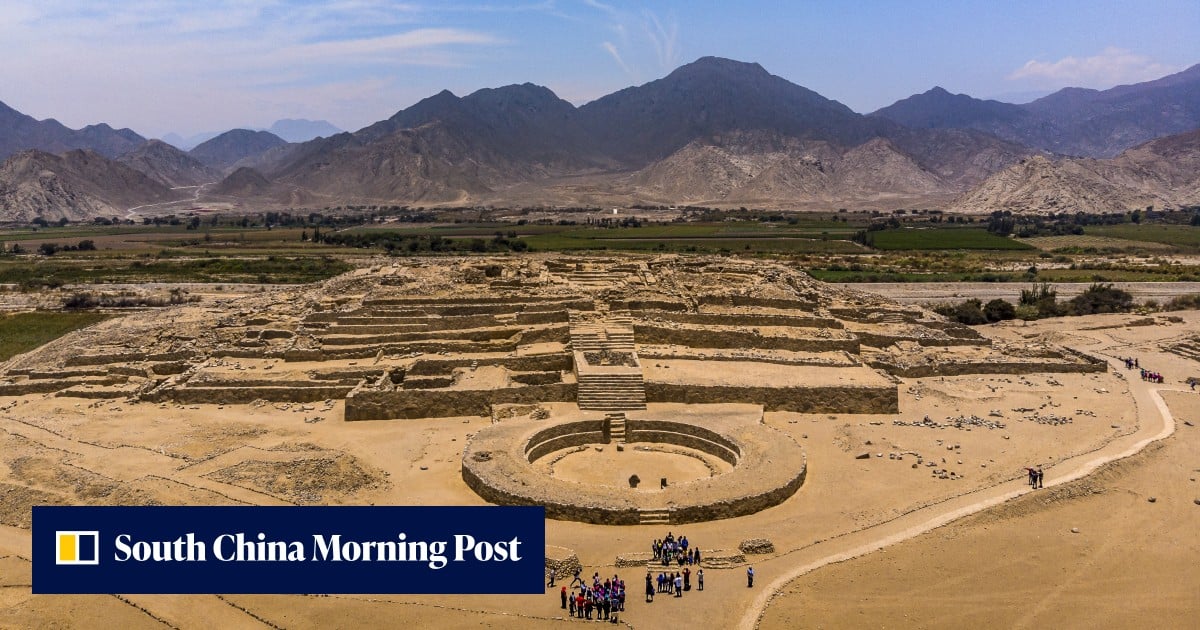
Beijing is expanding its cultural diplomacy in Latin America through a new archaeological partnership with Peru. The project will initially focus on the ancient Caral civilization, known as the oldest in the Americas, with plans to later explore Inca sites for comparative studies with ancient Chinese civilizations.
Imagine grown-up treasure hunters from China are going to Peru to dig up really old stuff, like ancient cities built by people called Caral, who lived thousands of years ago. It's like they're helping Peru learn more about its own history, and also learning how people lived long, long ago in different parts of the world, just like you might learn about dinosaurs or knights.
Analysis
Caral
The Caral civilization, flourishing between 3000BC and 1800BC along the Peruvian coast, represents the oldest known civilization in the Americas. Its study offers invaluable insights into early urban development and societal structures in the New World. China's engagement with Caral sites signifies a strategic move to participate in global archaeological discourse, extending its cultural influence beyond traditional spheres. This focus on such an ancient and foundational civilization underscores a long-term commitment to understanding shared human history and pre-Columbian societies. The initial phase of field surveys at key population centers like Caral and Aspero is crucial for developing comprehensive excavation plans, ensuring a systematic and scientifically rigorous approach to uncovering historical knowledge.
Peruvian Ministry of Culture
The collaboration between the Institute of Archaeology of the Chinese Academy of Social Sciences and the Caral Archaeological Zone of the Peruvian Ministry of Culture, alongside the National University of San Marcos, establishes a robust institutional framework for this joint project. This partnership is multifaceted, encompassing training, field surveys, joint excavations, and cultural heritage preservation initiatives. Such a comprehensive approach ensures that the collaboration is not merely extractive but also capacity-building for both nations. The agreement signifies a deepening of cultural ties between China and Peru, aligning with Beijing's broader diplomatic strategy in Latin America by fostering goodwill and demonstrating a commitment to shared scientific and cultural endeavors.
Inca period
Beyond the initial focus on the Caral civilization, the partnership is designed to expand its scope to include sites from the much later Inca period in the Andean highlands. This planned expansion indicates a long-term vision for the archaeological collaboration, aiming to cover a broader spectrum of ancient Peruvian history. Exploring Inca sites will allow for a more comprehensive understanding of the region's cultural evolution and the transitions between different historical epochs. A key objective of this future expansion is to support comparative studies between ancient Chinese and South American civilizations, potentially revealing universal patterns of human development or unique cultural trajectories. This comparative approach enriches global archaeological scholarship and positions China as a significant contributor to cross-cultural historical analysis.
Key points
- Chinese archaeologists are undertaking their first joint field project in South America, specifically in Peru.
- The collaboration focuses on exploring sites of the 5,000-year-old Caral civilization, the oldest known in the Americas.
- The project involves field surveys, joint excavations, training, and cultural heritage preservation.
- Future plans include expanding to sites from the Inca period to facilitate comparative studies with ancient Chinese civilizations.
- This initiative is part of China's broader strategy to deepen cultural ties and diplomatic influence in Latin America.
This joint project could lead to significant archaeological discoveries, enhancing global understanding of ancient American civilizations and their connections to broader human history. It also promises to strengthen cultural exchange and diplomatic relations between China and Peru, fostering mutual respect and scientific cooperation.