Chinese green tea is bringing people together in West Africa, 3 cups at a time
Chinese green tea has become a staple in West Africa, particularly in Mauritania, Gambia, Mali, Senegal, and Niger, where it is an integral part of a social ritual called ataya. The tradition involves serving strong, sweet green tea in three rounds, allowing people to tal…
Intelligence analysis by Llama
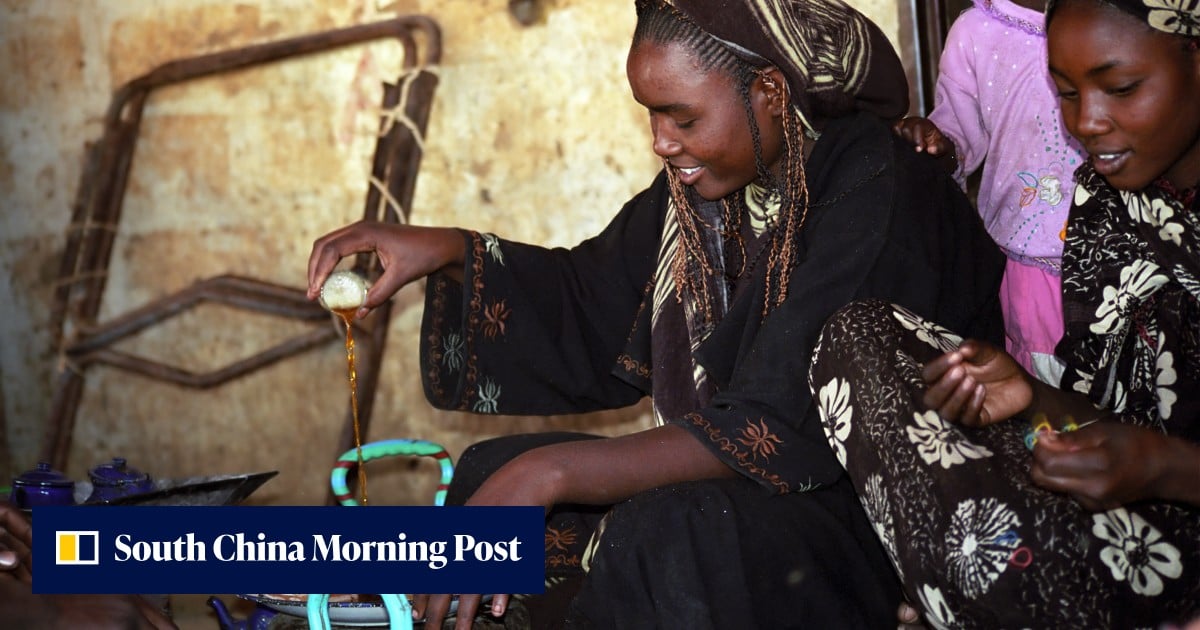
Chinese green tea has become a popular social ritual in West Africa, particularly in Mauritania, Gambia, Mali, Senegal, and Niger, where it is served in three rounds to facilitate conversation and socialization.
In West Africa, people are drinking a special kind of Chinese tea called ataya. They serve it in three rounds, which helps them talk and socialize with each other. It's like a special way of saying hello and catching up with friends.
Analysis
A Slow Ritual in West Africa
The ataya tradition, which involves serving strong, sweet green tea in three rounds, has become an integral part of social life in West Africa. From government offices to roadside stalls, Chinese green tea is at the heart of this slow ritual, providing time for people to talk and socialize. The tradition is particularly strong in Mauritania, Gambia, Mali, Senegal, and Niger, where Chinese tea dominates several markets.
In Mauritania, for example, more than 90 per cent of the country's tea imports by value came from China in 2024, accounting for US$65.1 million of its US$66.4 million in tea purchases. The tea culture has even made it into a guide for Chinese visitors put out by the embassy in Mauritania, which notes that Mauritanians traditionally serve tea to guests, a practice known as “three cups of tea upon meeting”.
The ataya tradition is not only a social ritual but also an economic driver. Chinese tea is a major source of income for many farmers in West Africa, who rely on the export of tea leaves to China. The tradition has also created a sense of community and cultural exchange between China and the region, with many Chinese visitors traveling to West Africa to experience the ataya tradition firsthand.
However, the growing popularity of Chinese green tea in West Africa also raises concerns about the impact of Chinese economic influence on the region. As China continues to expand its economic presence in West Africa, there are fears that the region may become increasingly dependent on Chinese goods and services, potentially undermining its economic sovereignty.
In conclusion, the ataya tradition is a unique and fascinating example of cultural exchange between China and West Africa. While it has significant economic implications for both parties, it also highlights the importance of preserving cultural traditions and promoting economic cooperation between nations.
Key points
- Chinese green tea is a staple in West Africa, particularly in Mauritania, Gambia, Mali, Senegal, and Niger.
- The ataya tradition involves serving strong, sweet green tea in three rounds, facilitating conversation and socialization.
- Chinese tea dominates several markets in West Africa, with significant economic implications for both China and the region.
- The ataya tradition is not only a social ritual but also an economic driver, creating a sense of community and cultural exchange between China and the region.
If the ataya tradition continues to grow in popularity, it could lead to increased economic cooperation between China and West Africa, with benefits for both parties. Chinese investment in the region could also lead to the creation of new jobs and economic opportunities.
However, the growing popularity of Chinese green tea in West Africa also raises concerns about the impact of Chinese economic influence on the region. If West Africa becomes too dependent on Chinese goods and services, it could undermine its economic sovereignty and create new economic challenges.