Chinese Research Center, Pakistani food processor sign to develop industrial tomato varieties in Pakistan
A Chinese research center and a Pakistani food processor will test tomato varieties in Sindh for industrial use. The goal is to cut tomato paste imports and improve local processing.
Intelligence analysis by GPT-5.4 Mini
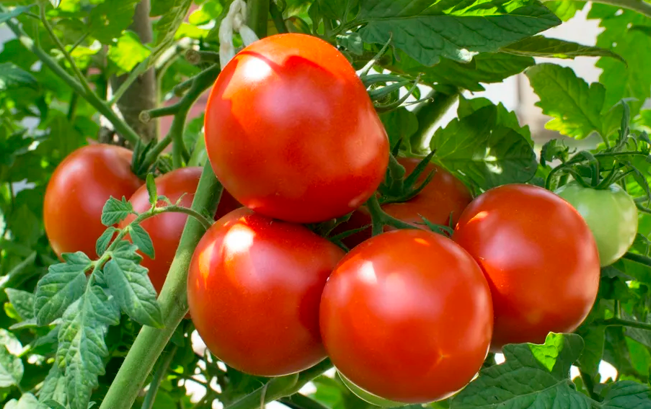
The Beijing Jingwa Agricultural Science and Technology Innovation Center and Iftekhar Ahmed Food and Beverages have signed an MoU to develop tomato varieties suited for paste and puree production in Pakistan. The project starts with trials in Sindh and includes technology transfer, with the aim of strengthening local processing and reducing imports.
A Chinese research group and a Pakistani company are teaming up to find better tomatoes for making ketchup-like paste. They will test different tomato types in Sindh, like picking the best apples from a big basket, so Pakistan may need fewer imports later.
Analysis
What was signed
The Beijing Jingwa Agricultural Science and Technology Innovation Center and Iftekhar Ahmed Food and Beverages Pvt. Ltd. signed a memorandum of understanding to develop tomato varieties for industrial processing in Pakistan. The agreement was signed during a Pakistan-China B2B investment conference in Hangzhou, alongside Prime Minister Shehbaz Sharif’s visit to China.
What the project aims to do
The Chinese side will provide tomato varieties chosen for industrial use, especially for tomato paste and puree. The article says these varieties are meant to have high Brix levels, strong solids content, and better pulp yield. The first stage will be research and development in Sindh, where six to seven candidate varieties will be tested in fields and greenhouses.
Chinese and Pakistani experts will jointly assess how each variety performs under local climate, soil, cultivation methods, and disease pressure. The partnership is not limited to seeds: it also includes advanced agricultural technologies, modern cultivation methods, and technical support aimed at improving tomato quality and productivity.
Commercial and policy angle
The companies say the project could support year-round tomato production through controlled environment agriculture, which could help keep yields and quality more stable. If the trials work, the best varieties will be introduced for commercial cultivation and industrial processing in Pakistan, with continued support from the Chinese side.
Waheed Ahmed of Iftekhar Ahmed Food and Beverages said the effort could save about $1 million a year now spent on imported tomato paste. He also said the initiative could attract up to $7 million in investment and that the final seed variety would be registered in Pakistan and offered to farmers on a large scale. The article frames the deal as part of broader Pakistan-China agricultural cooperation and a move toward import substitution, local processing capacity, and food security.
Key points
- The Beijing Jingwa center and Iftekhar Ahmed Food and Beverages signed an MoU to develop industrial tomato varieties for Pakistan.
- The first phase will test six to seven candidate varieties in Sindh through field and greenhouse trials.
- The project focuses on tomatoes suited for paste and puree, with traits like high Brix, solids, and pulp yield.
- The partners say the deal could cut about $1 million in annual tomato paste imports and attract up to $7 million in investment.
- The final variety is expected to be registered in Pakistan and made available to farmers at scale.
If the trial varieties adapt well, Pakistan could grow tomatoes better suited for paste and puree production. That could reduce tomato paste imports, support local processors, and help farmers adopt the final seed on a wider scale.
The main risk is that the candidate varieties may not perform well in local climate, soil, or disease conditions, which could slow or limit commercial rollout. Even if trials succeed, the expected investment and large-scale adoption still depend on registration, farmer uptake, and sustained technical support.