Chippies turn to new species amid 'massive' cod price rise
Rising cod costs are pushing UK fish and chip shops to offer cheaper species like hake and pollock.
Intelligence analysis by GPT-5.4 Mini
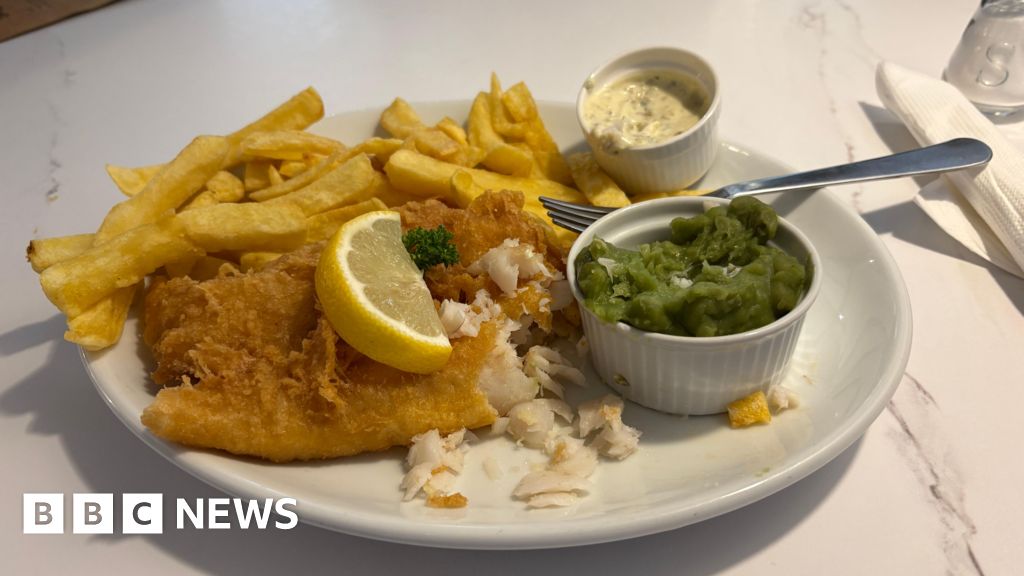
Fish and chip shops are struggling with sharply higher cod prices, driven by quotas and wider global pressures. Some are shifting menus to cheaper fish, while others say loyal customers still insist on cod despite the premium.
Fish and chip shops are like bakeries suddenly having to pay a lot more for flour. Because cod costs more now, some shops are using other fish, but many customers still ask for cod anyway.
Analysis
What is happening
Fish and chip shops across the UK are dealing with a sharp rise in cod prices. The BBC says quotas in the Atlantic and conflicts around the world have pushed cod to record-high levels, forcing many takeaways to look for cheaper alternatives.
How shops are responding
Some businesses are adding hake, pollock, and monkfish to menus so they can keep offering a fish-and-chips option at a lower price point. George Morey of Knight's Fish & Chips in Glastonbury said he is paying about £150 more per case for cod than last year. He said a case costs about £298 for 18kg, and that the business cannot absorb those increases.
That means shops often raise prices on cod, while using other species to soften the hit for customers. Morey said diners will sometimes enjoy a tasting sample of a different fish, but still order cod when it is time to buy.
Why this is difficult
The article also points to a broader squeeze on the sector. Andrew Crook, president of the National Federation of Fish Friers, said smaller shops are finding it harder to compete and keep up with legislation. He said shops are closing and that owners spend more time on compliance and paperwork.
What some operators are betting on
Not every shop is giving up on the traditional model. Adam Papa of Papa's in Weston-super-Mare said customer support and staff loyalty remain central, and argued that fish and chips is still a traditional meal that is "never going to die." The underlying challenge, though, is clear: fish is much more expensive than it was a few years ago, and many businesses now need customers to accept that reality.
Key points
- Cod prices have risen sharply, forcing fish and chip shops to rethink their menus.
- Many takeaways are adding cheaper species such as hake, pollock, and monkfish.
- George Morey said he is paying about £150 more per case of cod than last year.
- Industry leaders say smaller shops are under pressure from costs, closures, and compliance work.
- Some owners believe loyal customers will keep ordering cod despite the higher price.
If customers accept more alternative fish, shops may be able to keep serving fish and chips without closing or making cod unaffordable. Diversifying menus could also help some businesses protect margins while still keeping regulars.
If cod prices keep rising and customers refuse to switch, shops may have to keep raising prices or accept thinner profits. The article also warns that smaller shops are already closing and face extra pressure from costs and regulation.