City Airport faces opposition to larger aircraft plans
London City Airport wants to use larger aircraft and lower its approach path, but politicians and residents warn of more noise and emissions.
Intelligence analysis by GPT-5.4 Mini
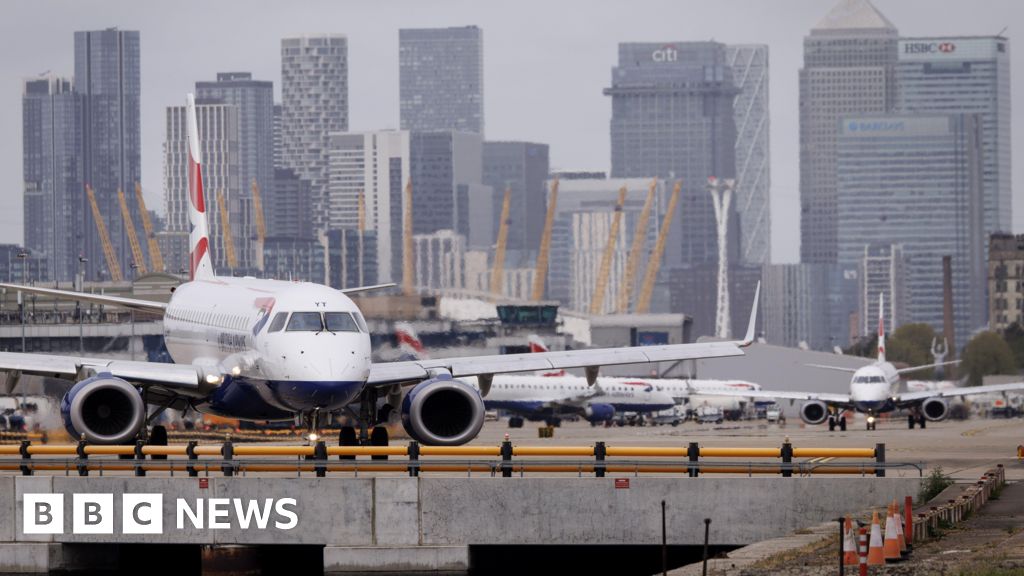
London City Airport says bigger, newer planes would let it carry more passengers with fewer flights and less noise. The London Assembly’s environment committee says the plan needs independent real-world testing first, citing concerns about noise, health, and local quality of life.
The airport wants to use bigger, newer planes so it can carry more people with fewer trips, like using a bigger bus instead of lots of small cars. But local leaders say it might still be noisier and bother people living nearby, so they want more testing first.
Analysis
What is being proposed
London City Airport wants approval to lower its flight approach path so it can handle larger aircraft such as the Airbus A320neo. The airport says that would let it increase passenger numbers with fewer flights than it would need using its current smaller planes.
Why opponents are pushing back
The London Assembly’s environment committee says it is worried about extra noise, emissions, and the effect on residents and workers nearby. In a letter to the airport’s chief executive, the committee said the airport’s projected data was not enough to fully understand the noise impact or the health and quality-of-life effects.
The committee also wants the plans paused until independent, real-world assessments are carried out. It warned that the change could be used to open new routes and increase the total number of flights.
The airport’s case
The airport says larger, new-generation aircraft would unlock more destinations and support London’s connectivity and economic growth. It argues that bigger planes would mean fewer flights and less noise disturbance for local communities compared with not making the change over the coming years.
The wider context
The airport already has permission to raise annual passenger capacity from 6.5 million to 9 million. The new proposal would change how aircraft come in to land, with planes flying over parts of east London lower than they do now. The Civil Aviation Authority is expected to decide on the lower approach path by autumn.
The dispute now turns on whether the promised efficiency gains and connectivity benefits outweigh the local impacts that opponents say have not yet been measured well enough.
Key points
- London City Airport wants approval to lower its approach path for larger aircraft like the Airbus A320neo.
- The airport says bigger planes would allow more passengers with fewer flights and less noise.
- The London Assembly’s environment committee wants independent, real-world noise testing before any change.
- Opponents are worried about health, quality of life, and the chance of more flights overall.
- The Civil Aviation Authority is due to decide on the approach-path change by autumn.
If the airport’s case proves out, it could carry more passengers with fewer flights, which would support better connectivity for London. The airport also says the newer planes would be less noisy than the ones used now, which could soften the impact on nearby communities.
If the changes lead to more noise than projected, residents and workers nearby could face a worse living and working environment. Critics also worry the new approach could open the door to more routes and a higher total number of flights, increasing pressure on the area.