Civil State or Political Religion and Political Sectarianism?
The article explores the fundamental conflict in Lebanon between proponents of a civil, secular national state and those adhering to political religious ideologies or political sectarianism. It argues that these religious and sectarian frameworks undermine national unity …
Intelligence analysis by Gemini 2.5 Flash
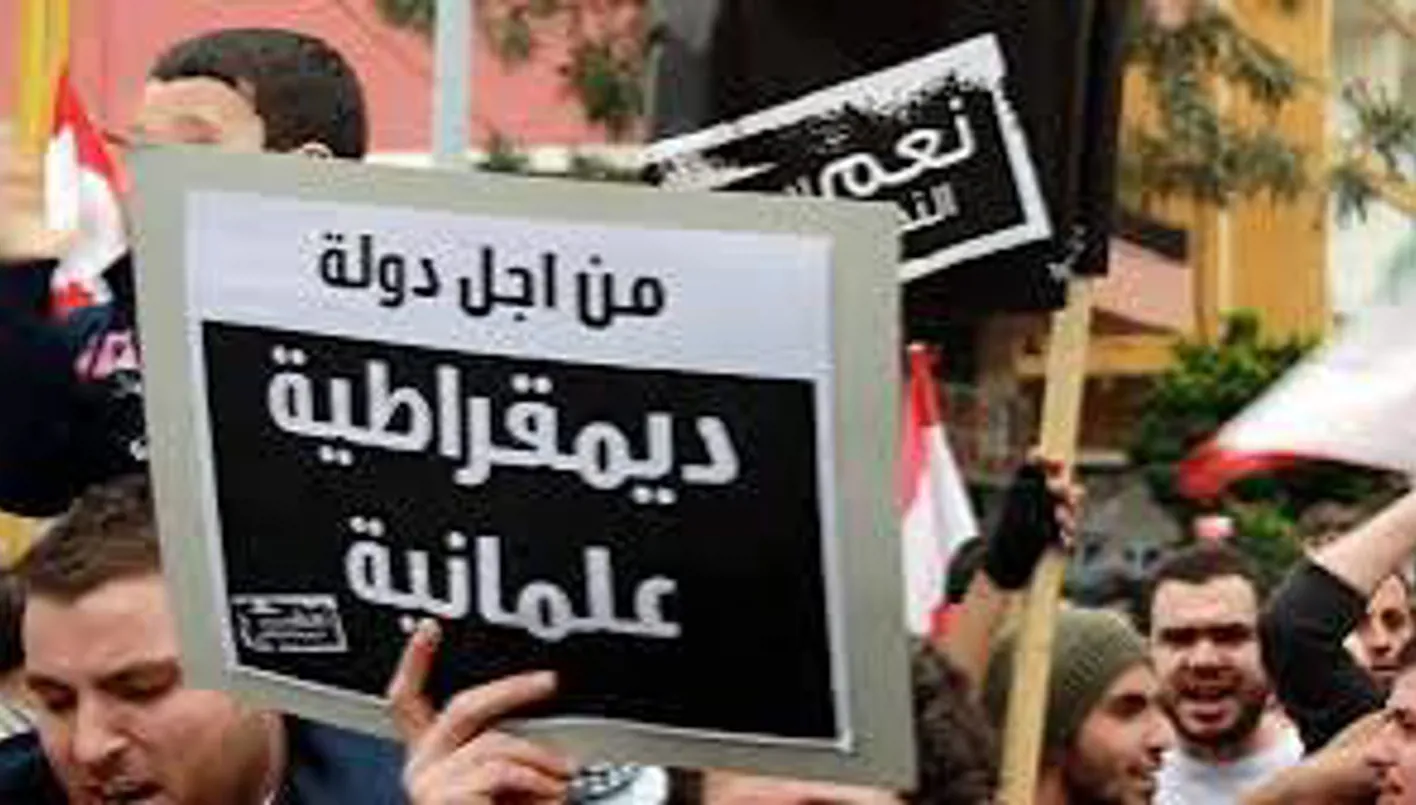
The piece highlights Lebanon's deep societal division, contrasting the vision of a national state founded on individual citizenship with the reality of political Islam and sectarianism. It asserts that these latter forces prioritize transnational religious or communal ties over national loyalty, leading to fragmentation and foreign interference.
Imagine Lebanon is like a big school, and some kids want everyone to follow rules based on their family's old traditions, even if it means making friends with other schools that have the same traditions, instead of focusing on what's best for *our* school. Other kids want everyone to be treated equally, no matter their family, and for the school to have its own rules that help everyone inside it. The problem is, these two groups can't agree, and there's no clear leader for the "everyone is equal" group, so it's hard to decide what kind of school Lebanon should be.
Analysis
Political Islam's Challenge
The article critically examines political Islam, asserting that its Sunni and Shia manifestations are fundamentally uninterested in the national state. Instead, it posits that political Islam adheres to a transnational Islamic universalism, transcending national borders. This ideological stance allows adherents to align with foreign states sharing similar religious or ideological frameworks, even at the expense of national interests, without perceived guilt. This perspective directly clashes with the concept of a national state defined by specific borders, cultural particularity, and citizenship. The author suggests that this inherent conflict prevents the formation of a cohesive national identity and governance structure.
Sectarianism in Lebanon
Beyond political Islam, the article identifies political sectarianism as another significant impediment to the national state in Lebanon, a system entrenched since the country's founding. Similar to political religion, political sectarianism fragments the state and society, enabling various sects to forge relationships with foreign powers to serve their specific sectarian interests, often at the detriment of the broader national good. This fragmentation prevents the emergence of a unified national purpose, as loyalty is often directed towards the sect rather than the state. The author emphasizes that a healthy national state must be founded on the principle that the individual citizen is the sole source of rights, freedoms, and authority, rather than sectarian or other communal groups.
The Lebanese Divide
The article observes a profound absence of a unified political entity capable of bringing together Lebanese citizens who believe in a national state, regardless of their diverse religious and regional affiliations. This void exacerbates the existing divisions, leaving the country caught between competing visions. The author proposes the formation of such a political entity, one that would unite proponents of a civil state against religious ideologies and sectarian balances. This proposed entity would serve as a crucial referendum, allowing the Lebanese people to collectively articulate their desired future, moving beyond the current state of ideological and sectarian deadlock.
Key points
- Lebanon faces a fundamental conflict between advocates for a civil national state and proponents of political religious ideologies or sectarianism.
- Political Islam, both Sunni and Shia, is described as prioritizing transnational Islamic universalism over the national state, potentially leading to alliances with foreign powers.
- Political sectarianism, deeply rooted in Lebanon, also fragments society and allows sects to pursue foreign ties at the expense of national interest.
- A true national state should derive authority from individual citizens, not sectarian or communal groups.
- There is a critical need for a unified political entity to represent Lebanese who believe in a civil state, acting as a referendum on the nation's future.
If a unified political entity advocating for a civil state successfully emerges, it could provide a clear path for Lebanese citizens to collectively define their national identity and priorities. This could lead to a more stable and inclusive governance structure, reducing foreign interference and fostering a society where individual citizenship takes precedence over sectarian affiliations.
The continued dominance of political religious ideologies and political sectarianism risks further fragmenting Lebanon, deepening internal divisions, and perpetuating foreign influence. This could lead to ongoing political paralysis, economic instability, and a failure to establish a truly national state based on the rights and freedoms of individual citizens.