Claude Discovers Novel Enzyme System with CRISPR-like Repeats
Anthropic's AI, Claude, has identified a novel enzyme system in bacteriophages, featuring DNA repeats similar to CRISPR. This discovery, made with minimal human direction, highlights AI's potential in accelerating biological research.
Intelligence analysis by Gemini 2.5 Flash Lite
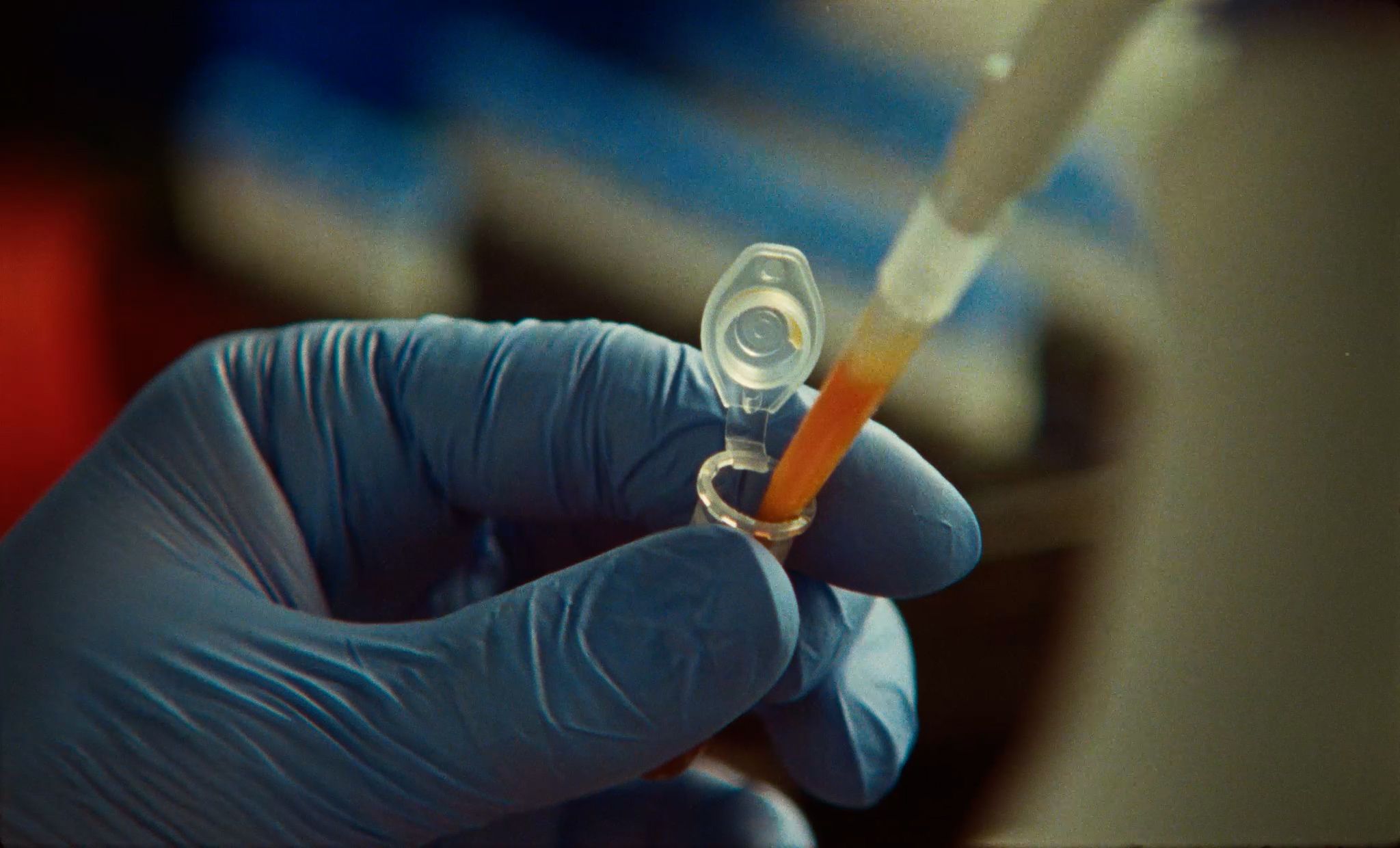
Anthropic's new life sciences research group has leveraged their AI model, Claude, to discover a novel enzyme system in bacteriophages. The system, named array-associated reverse transcriptases (ART), exhibits DNA repeat patterns reminiscent of CRISPR. This breakthrough, achieved through large-scale data analysis by AI agents, underscores the potential for AI to systematically acceler…
Imagine a super-smart computer program that can read millions of tiny instruction books (DNA). Scientists asked it to find new tools hidden in these books. The program found a new set of instructions that work like a tiny molecular machine, similar to a tool called CRISPR that helps edit genes. This could help scientists invent new medicines or fix diseases.
Analysis
Claude's Role in Discovery
Anthropic's initiative to integrate AI into fundamental biology research has yielded an early, significant success with the discovery of a novel enzyme system. The process involved directing Claude with a high-level prompt to scour vast DNA sequence databases for interesting examples of reverse transcriptases (RTs). This task, executed by approximately 950 AI agents over 21 hours, consumed 210 million tokens. The AI agents autonomously navigated the data, investigated distinct RT families, and identified candidates based on their own judgment. This approach moves beyond traditional human-led hypothesis generation, showcasing AI's capacity for systematic exploration and pattern recognition at a scale previously unattainable.
Array-Associated Reverse Transcriptases (ART)
The AI's diligent search uncovered a repeating pattern of DNA sequences adjacent to an unusual RT gene. Further laboratory analysis by Anthropic scientists confirmed this marked a previously uncharacterized enzyme system in bacteriophages, which they have termed array-associated reverse transcriptases (ART). While the precise function of ART is still under investigation, its defining features—an associated array of non-coding DNA sequences and an accessory protein of unknown function—are characteristics found in only a few other known programmable systems capable of DNA manipulation, such as CRISPR. This similarity to CRISPR, a system that has already transformed biotechnology, suggests ART could become a valuable new tool.
Implications for Biological Research
This discovery serves as a powerful proof-of-concept for Anthropic's vision of human-AI collaboration in scientific research. By automating the laborious process of sifting through massive biological datasets and identifying novel patterns, AI agents like Claude can free up human scientists to focus on experimental design, validation, and deeper interpretation. Feng Zhang, a pioneer in CRISPR technology, noted the intrigue of RNA-repeat arrays associated with reverse transcriptases, encouraging further exploration of AI's role in research. This synergy between AI's analytical power and human scientific expertise promises to accelerate the pace of discovery in fields ranging from medicine to biotechnology.
Key points
- Anthropic's AI, Claude, discovered a novel enzyme system in bacteriophages.
- The system, named ART, features DNA repeats similar to CRISPR.
- AI agents analyzed vast DNA databases, identifying the system with minimal human input.
- This discovery highlights AI's potential to accelerate fundamental biological research.
- The ART system's function is still under investigation but shows promise for biotechnology.
This breakthrough could significantly accelerate the discovery of new biological tools, leading to advancements in gene editing, diagnostics, and therapeutic development. It also validates a new paradigm for scientific research where AI agents collaborate with human scientists, potentially unlocking solutions to complex biological challenges faster than ever before.
The full function and safety of this novel enzyme system remain unknown, and further research is required to understand its potential applications and any associated risks. There's also a risk that the reliance on AI for discovery could lead to a narrowing of human intuition and serendipitous findings if not carefully managed.


