‘Clear your plot by Aug 15’: Greater Bengaluru Authority releases penalty rules
The Greater Bengaluru Authority (GBA) has set an August 15 deadline for vacant plot owners to clear waste, announcing penalties and cost recovery for non-compliance.
Intelligence analysis by Gemini 2.5 Flash
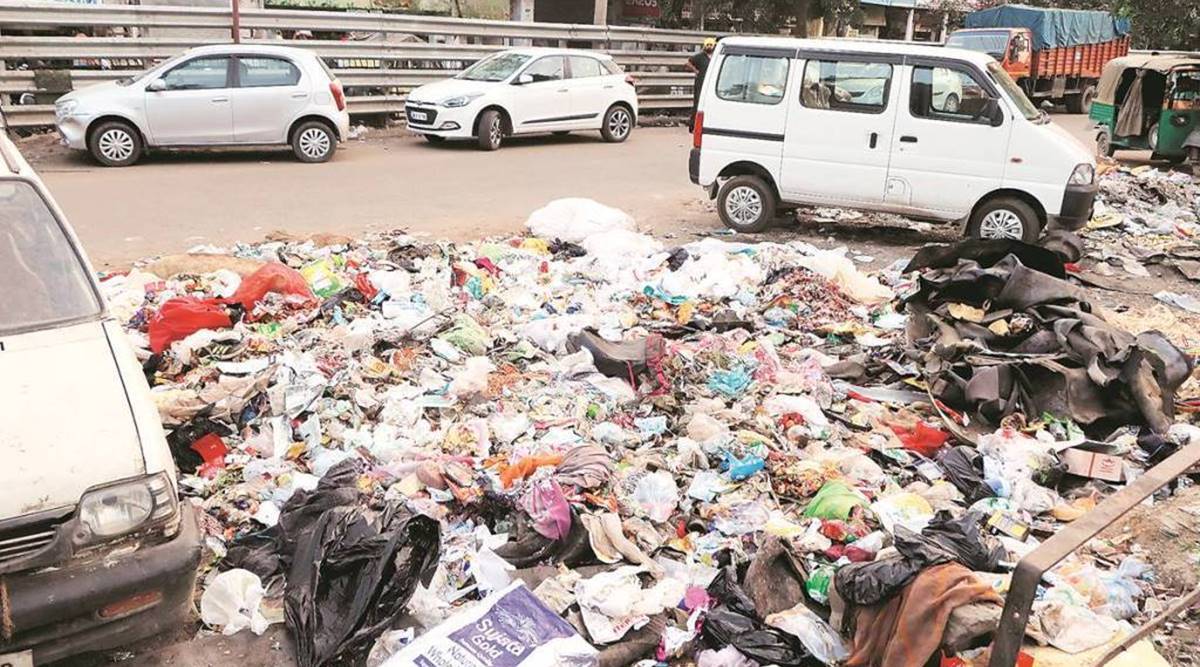
Bengaluru's civic body, the Greater Bengaluru Authority (GBA), has launched a 'Freedom from Waste' campaign, mandating that all vacant plots be cleaned by August 15. Owners failing to comply will face significant fines and will be charged for the GBA's cleaning and waste transportation services, with public assistance sought to identify unkempt plots.
Imagine you have a small patch of land, like a mini-garden, but you've let it get messy with weeds and trash. The city (called the Greater Bengaluru Authority) is telling everyone with messy land to clean it up by August 15th. If you don't, they'll send people to clean it for you, but then you'll have to pay a big fine, like paying extra pocket money to your parents for cleaning your room when you didn't!
Analysis
The Greater Bengaluru Authority's recent announcement marks a significant step in urban governance, aiming to tackle the pervasive issue of uncleared vacant plots within the city. The 'Freedom from Waste' campaign, spearheaded by Urban Development Minister Krishna Byre Gowda, underscores a renewed commitment to civic hygiene and environmental responsibility. The August 15 deadline serves as a clear ultimatum for property owners, pushing them to take immediate action or face financial repercussions. This move is particularly relevant in a rapidly expanding metropolis like Bengaluru, where unchecked waste accumulation on vacant lands often leads to public health hazards and diminishes the city's aesthetic appeal.
August 15
The deadline of August 15 is not merely a symbolic date but a critical inflection point for property owners in Bengaluru. It signifies the end of a grace period, after which the GBA will actively enforce its newly released penalty rules. This firm timeline is intended to galvanize action, preventing the common practice of deferring maintenance responsibilities. The GBA's proactive stance, including the provision for civic bodies to clear waste themselves and recover costs, highlights a shift towards more direct intervention in urban sanitation. This approach aims to ensure that the campaign's objectives are met, rather than relying solely on voluntary compliance.
The penalties are structured based on plot size and whether a compound wall exists, with additional charges for waste transportation. For instance, a 600 sq feet plot without a compound wall incurs a Rs 6,700 fine, escalating to Rs 7,700 with a wall, plus a potential Rs 19,200 for transportation. These substantial figures are designed to act as a strong deterrent, making it more economically viable for owners to clean their plots proactively. The GBA's decision to involve the public by allowing residents to report unkempt plots via WhatsApp further strengthens the enforcement mechanism, fostering a collective responsibility for urban cleanliness.
M Maheshwar Rao
GBA Chief Commissioner M Maheshwar Rao has been instrumental in articulating the authority's resolve and the specifics of the new regulations. His statements emphasize the dual approach of encouraging voluntary compliance while establishing clear punitive measures for non-adherence. Rao's call for public support, including the provision of a WhatsApp number for reporting violations, indicates a strategy that leverages community engagement to enhance the effectiveness of the campaign. This collaborative model, where citizens act as vigilant partners, can significantly broaden the reach of the GBA's enforcement efforts.
The Chief Commissioner's role extends beyond mere announcements; it involves coordinating the efforts of all five city corporations under the GBA. This unified approach is crucial for consistent implementation across the vast urban landscape of Bengaluru. By identifying 1,616 locations with approximately 22,732 tonnes of debris, the GBA has demonstrated a data-driven strategy to pinpoint problem areas. This detailed assessment provides a solid foundation for targeted interventions, ensuring that resources are allocated efficiently to address the most pressing waste accumulation issues.
Greater Bengaluru Governance Act, 2024
The legal framework underpinning this campaign is robust, drawing authority from the Solid Waste Management Bye-law 18(1)(a)(ii), 2020, and Section 285(2) of the Greater Bengaluru Governance Act, 2024. These legal provisions empower civic agencies to not only issue notices but also to directly enter premises, clear waste, and recover all incurred expenditures from the property owners. This legal backing is critical, as it provides the GBA with the necessary teeth to enforce its directives without facing significant legal challenges from non-compliant owners.
Specifically, Section 285(2) of the 2024 Act allows city corporations to recover cleaning costs directly from property owners, potentially through their property tax, streamlining the recovery process. This legislative support ensures that the GBA's actions are legally sound and that the financial burden of neglect is squarely placed on the responsible parties. The existence of such comprehensive legal provisions underscores a long-term commitment by the government to maintain urban sanitation standards, moving beyond ad-hoc clean-up drives to institutionalized enforcement.
Key points
- The Greater Bengaluru Authority (GBA) has set an August 15 deadline for vacant plot owners to clear waste.
- New penalty rules will be enforced after the deadline, with fines ranging from Rs 6,700 to Rs 14,400, plus waste transportation costs.
- The GBA will clear uncleared plots itself and recover all cleaning and transportation costs from the owners.
- Public support is sought, allowing residents to report unkempt plots via WhatsApp number 9448197197.
- The initiative is backed by Solid Waste Management Bye-law 2020 and the Greater Bengaluru Governance Act, 2024, empowering civic agencies to recover costs.
If successful, this campaign could lead to a significantly cleaner and healthier Bengaluru, reducing public health risks associated with accumulated waste and improving the city's overall aesthetic. It could also foster a greater sense of civic responsibility among property owners, leading to sustained improvements in urban sanitation.
The campaign might face challenges in consistent enforcement across all areas, potentially leading to disputes with property owners over fines and charges. There's also a risk that the GBA's resources could be stretched thin by the sheer volume of plots requiring intervention, leading to delays or incomplete clean-ups.