Climate crisis leaves Malaysia with hot-headed youth
Young Malaysians are experiencing worsening health issues and disruptions to essential services due to climate change, according to a Unicef survey, highlighting the urgent need for adaptation policies.
Intelligence analysis by Gemini 2.5 Flash
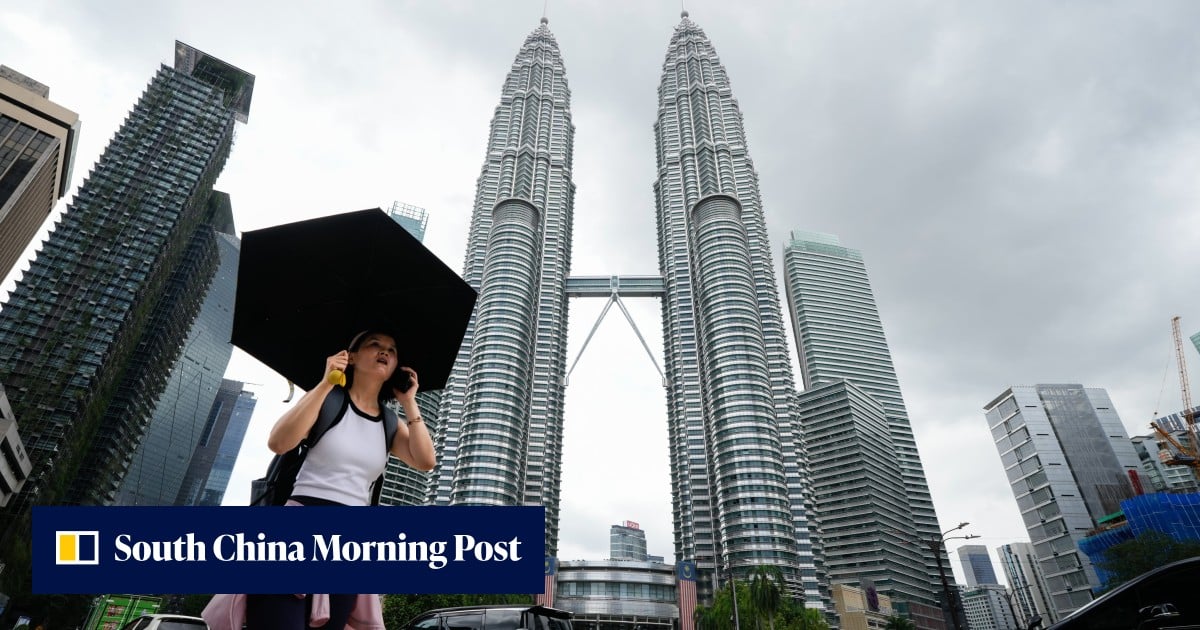
A recent Unicef survey in Malaysia reveals that climate change is no longer just an environmental concern but a pressing public health and economic issue for young people. Respondents reported increased illnesses, heat-related problems, and impaired access to vital services, prompting calls for policymakers to invest in both emissions reduction and climate adaptation strategies.
Imagine the weather in Malaysia is getting super hot and stormy because of climate change, like when you leave your toy outside in the sun too long and it gets warped. A survey found that kids and teenagers there are getting sicker more often, like having more skin rashes or trouble breathing, and it's harder for them to go to school or find safe places. Grown-ups need to help fix this by making the air cleaner and preparing for bad weather so everyone can stay healthy.
Analysis
Unicef Malaysia
The Unicef Malaysia’s National Youth Climate Change Survey 2025, released in July, has brought to light the severe and immediate impacts of climate change on the nation's youth. Conducted between June and October 2025, the survey gathered insights from 1,420 young people aged 15 to 30, revealing a shift in perception where climate change is now seen as a critical public health and economic challenge, rather than solely an environmental one. This comprehensive study underscores the direct link between environmental degradation and the well-being of future generations in Malaysia.
The survey's findings indicate a significant deterioration in the health and daily lives of young Malaysians. More than half of the respondents reported that climate-related disasters have disrupted their access to essential services, including information, education, and safe spaces. This widespread disruption points to a systemic vulnerability that extends beyond individual health, affecting the foundational elements of societal development and youth empowerment. The implications for Malaysia's future workforce and overall stability are substantial if these trends continue unchecked.
25.9 per cent
A striking statistic from the Unicef survey reveals that 25.9 per cent of young respondents reported a worsening of their existing illnesses due to climate change. This figure highlights a direct and measurable impact on public health, indicating that climate shifts are exacerbating pre-existing conditions and creating new health burdens. Beyond this, 19.7 per cent cited skin conditions, 18 per cent experienced heat-related illnesses, and 14.3 per cent suffered from respiratory problems, painting a grim picture of widespread health deterioration.
These percentages collectively demonstrate that climate change is manifesting as a tangible health crisis for Malaysian youth. The prevalence of heat-related and respiratory issues, in particular, points to the direct physiological stress caused by rising temperatures and potentially poorer air quality. Such health challenges not only diminish the quality of life for young individuals but also pose a significant threat to their productivity and ability to contribute to the nation's economy. Addressing these health outcomes requires integrated policy responses that consider both environmental and public health dimensions.
Dr Jemilah Mahmood
Dr Jemilah Mahmood, executive director of the Sunway Centre for Planetary Health, emphasized the evolving nature of the climate crisis based on the Unicef findings. She noted that the issue has transitioned from being primarily an environmental concern to a pressing public health challenge. This expert perspective reinforces the survey's conclusion that climate change's ramifications are now deeply intertwined with human well-being and require a holistic approach.
Her statement underscores the urgency for policymakers to broaden their focus beyond just emissions reduction. Dr. Mahmood's insights suggest that adaptation strategies, designed to cope with the inevitable impacts of more frequent heatwaves and floods, are equally crucial. Without such investments, Malaysia risks profound disruptions to children’s health, education, and the long-term viability of its future workforce, necessitating a comprehensive and proactive policy framework.
Key points
- A Unicef survey found climate change is causing significant health and service disruptions for young Malaysians.
- One in four young people reported worsening existing illnesses, with many also experiencing skin and heat-related conditions.
- Over half of respondents said climate disasters affected their access to essential services like education and safe spaces.
- Experts urge policymakers to invest in both emissions reduction and adaptation strategies to protect future generations.
- The issue has evolved from an environmental concern to an immediate public health and economic challenge.
If Malaysian policymakers heed the Unicef survey's warnings and invest significantly in both emissions reduction and climate adaptation, future generations could be better protected from health crises and service disruptions. Proactive measures could foster a more resilient society, ensuring young people's health, education, and economic contributions are safeguarded against intensifying climate impacts.
Without substantial and timely investment in climate adaptation and mitigation, Malaysia risks deeper and more widespread disruptions to its youth's health, education, and future workforce. The current trajectory suggests a growing public health crisis and economic instability, potentially leading to long-term societal challenges and hindering the nation's development.