Climate Focus: Children bearing brunt of climate hazards, UN says
The UN reports that almost all of the world's children are exposed to at least one climate hazard. Children are disproportionately affected by climate-related risks and governments need to invest in infrastructure and adaptation to reduce their exposure.
Intelligence analysis by Llama 3.3 70B
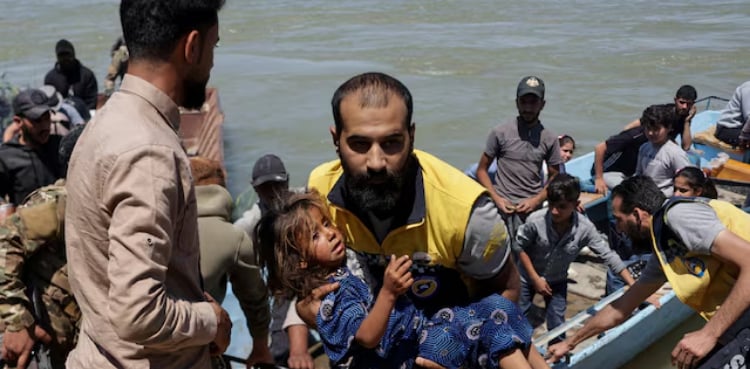
A recent UN report highlights the impact of climate hazards on children, with 1.8 billion at risk from droughts and 1.2 billion from extreme heat. The report emphasizes the need for governments to invest in infrastructure and adaptation to protect children from climate-related risks.
Imagine you're a kid and you can't go outside because it's too hot or there's a big storm coming. That's what's happening to many kids around the world because of climate change. The UN says that almost all kids are affected by climate change in some way, and it's making them sick or hurting their homes.
Analysis
Climate Hazards and Children's Health
The UN report found that children are exposed to a range of climate-related hazards, including droughts, extreme heat, and tropical storms. These hazards can have serious impacts on children's health, including increased risk of respiratory problems, heat stress, and water-borne illnesses. The report notes that children are disproportionately affected by climate-related risks due to their vulnerability and dependence on adults for care and protection.
Government Response and Adaptation
The report emphasizes the need for governments to invest in infrastructure and adaptation to reduce children's exposure to climate-related risks. This includes investing in early warning systems, emergency preparedness, and disaster response. Governments must also prioritize the needs of children in their climate change mitigation and adaptation efforts, including providing access to clean water, sanitation, and healthcare.
Community Action and Advocacy
Community groups and advocates are playing a crucial role in raising awareness about the impacts of climate change on children and pushing for action to protect them. For example, the community group Liveable Arlington is lobbying the City of Arlington to turn down permits for new gas wells near schools, citing concerns about the health impacts of fracking on children. These efforts highlight the importance of community engagement and advocacy in pushing for policy changes that prioritize the needs of children and protect them from the impacts of climate change.
Key points
- Almost all of the world's children are exposed to at least one climate hazard
- Children are disproportionately affected by climate-related risks due to their vulnerability and dependence on adults
- Governments must invest in infrastructure and adaptation to reduce children's exposure to climate-related risks
If governments and communities take action to reduce the impacts of climate change on children, we could see significant improvements in children's health and well-being. This could include increased investment in renewable energy, improved access to clean water and sanitation, and enhanced emergency preparedness and response.
If we don't take action to address the impacts of climate change on children, we could see devastating consequences, including increased mortality, morbidity, and displacement. Climate change could also exacerbate existing social and economic inequalities, making it even harder for children to access basic necessities like healthcare and education.