Clinic for people with disabilities to open in Khatib polyclinic by end 2026
A dedicated clinic for people with disabilities will open at Khatib polyclinic by end 2026. The SPARk Clinic will provide tailored healthcare to patients aged 18 and above, improving access to healthcare for a group that often struggles to navigate the system.
Intelligence analysis by Llama
A new clinic for people with disabilities will open at Khatib polyclinic, providing longer consultations, sensory kits, and caregiver support to ease healthcare access. The pilot clinic at Ang Mo Kio has helped 85 patients with communication and sensory challenges, improving follow-up rates and medication compliance.
Imagine you have a friend who has trouble talking or feeling overwhelmed in new places. A new clinic is opening to help people like your friend get the healthcare they need in a way that's comfortable and easy for them. The clinic will have special tools and staff who understand how to help people with disabilities, making it a more welcoming place for everyone.
Analysis
Unique Healthcare Needs of People with Disabilities
People with disabilities often face significant barriers in accessing healthcare due to communication difficulties, sensory sensitivities, and complex care needs. These challenges can lead to delayed diagnoses, poor health outcomes, and reduced quality of life. In response, NHG Health has launched the SPARk Clinic, a dedicated healthcare service for people with disabilities aged 18 and above.
The SPARk Clinic Model
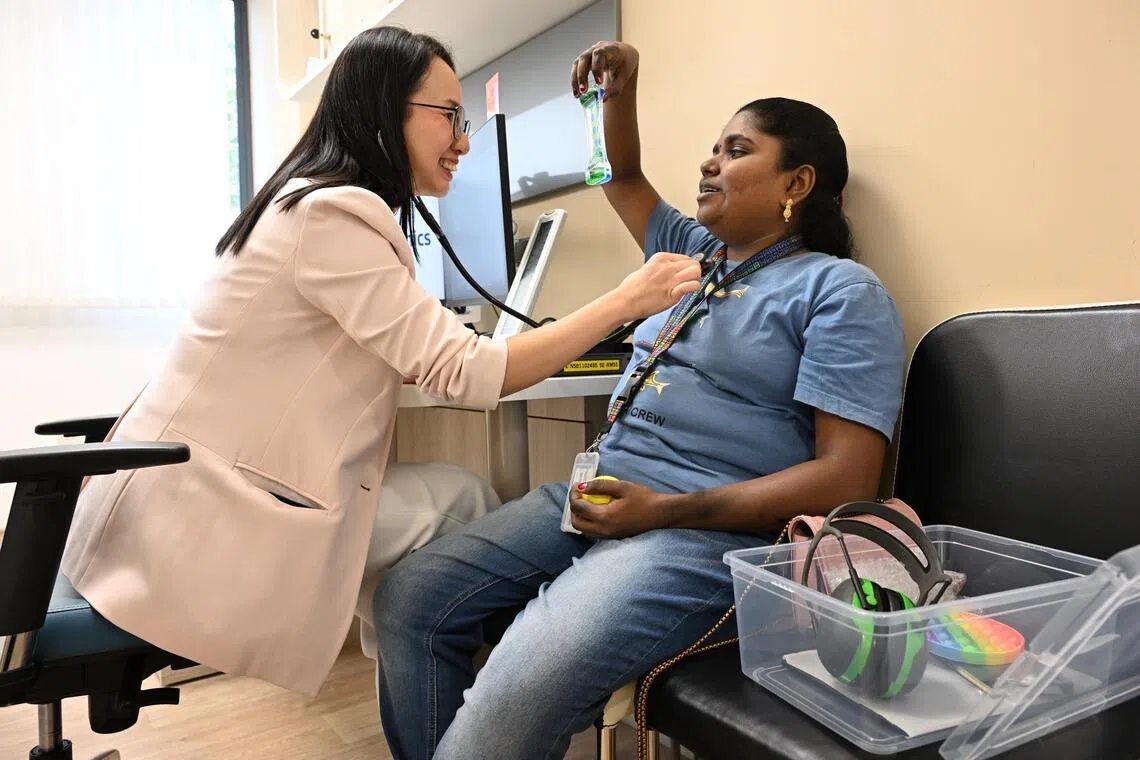
The SPARk Clinic at Khatib polyclinic will be run by a team of healthcare staff who understand the unique challenges faced by people with disabilities. The clinic will offer longer consultations, sensory kits, and caregiver support to ease healthcare access. Patients will also receive materials before their appointments to familiarize them with clinical processes, such as a simple step-by-step video explaining what happens during a blood test.
Patient-Centered Care
The SPARk Clinic's patient-centered approach aims to adapt care in a way that is successful for each individual. This includes using sensory kits containing items like headphones and stress balls to manage patients' anxiety. The team also checks on caregivers' health, looks out for signs of burnout, and starts conversations about future care planning.
Success of the Pilot Clinic
The pilot clinic at Ang Mo Kio has shown promising results, with 85 patients benefiting from the service. Of these, 80 have returned for regular follow-ups, remained compliant with medications, or completed preventive health screenings. This level of sustained engagement is encouraging for healthcare providers, who often struggle to support this community.
Future Plans
NHG will assess if the two clinics can serve their patients' needs before considering any future expansion plans. The healthcare group currently runs 10 polyclinics in Singapore, and this initiative represents a more intentional and systematic approach to supporting people with disabilities.
Key points
- A dedicated clinic for people with disabilities will open at Khatib polyclinic by end 2026.
- The SPARk Clinic will provide tailored healthcare to patients aged 18 and above, improving access to healthcare for a group that often struggles to navigate the system.
- The pilot clinic at Ang Mo Kio has helped 85 patients with communication and sensory challenges, improving follow-up rates and medication compliance.
- The clinic will offer longer consultations, sensory kits, and caregiver support to ease healthcare access.
- NHG will assess if the two clinics can serve their patients' needs before considering any future expansion plans.
If this development plays out positively, it could lead to improved health outcomes and quality of life for people with disabilities. The SPARk Clinic's tailored approach and patient-centered care may also reduce healthcare costs and improve caregiver well-being.
However, there are also potential risks and challenges associated with this development. For example, the clinic may face difficulties in recruiting and retaining staff who are trained to work with people with disabilities. Additionally, the clinic's success may depend on the availability of resources and funding, which could be unpredictable.