Close Race in EU Referendum in Iceland
Iceland's referendum on opening EU accession negotiations shows a narrow lead for opponents, with over 52% of votes against, according to broadcaster RUV. A definitive result is expected Sunday noon, following a tight race where initial counts favored supporters.
Intelligence analysis by Gemini 2.5 Flash
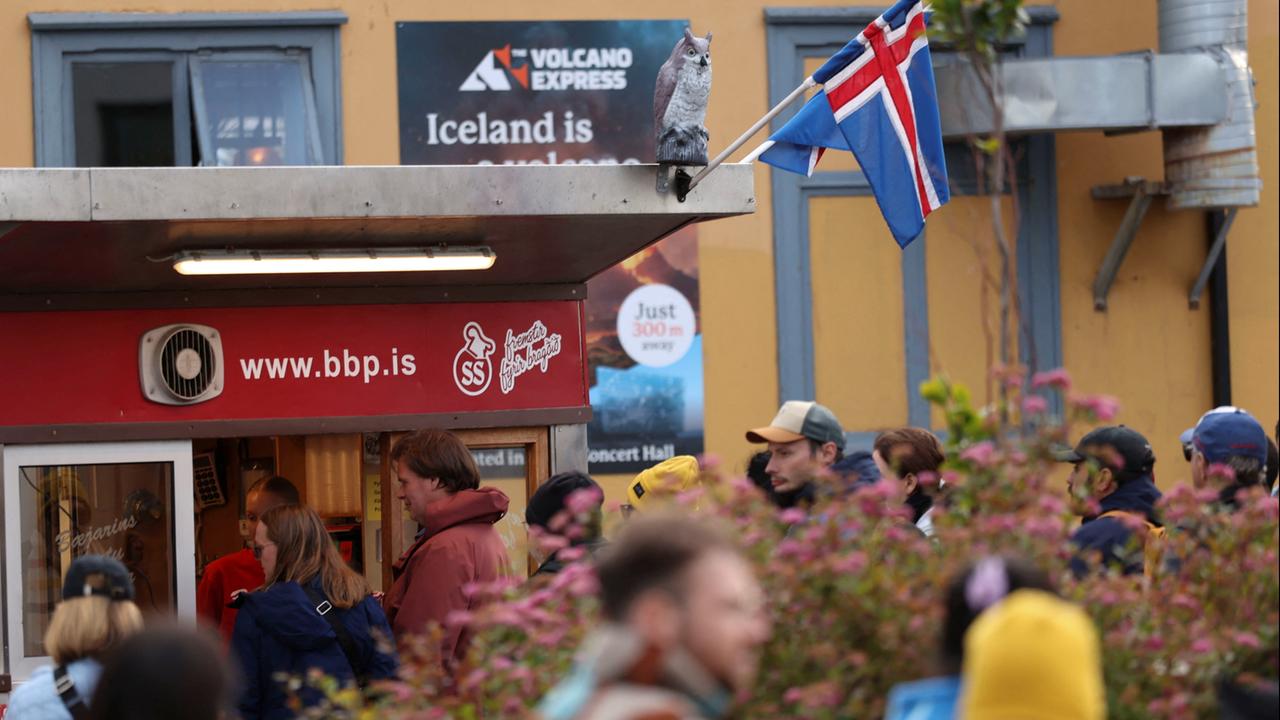
Iceland held a crucial referendum to decide whether to open accession negotiations with the European Union. While early results suggested a lead for those in favor, the latest counts indicate a slight majority for opponents, highlighting the nation's deep division over issues of sovereignty, fishing rights, and economic stability.
Imagine Iceland is trying to decide if it wants to join a big club called the European Union. It's like a school vote where some kids want to join because they think it will make things safer and cheaper, but other kids don't want to because they worry about losing control of their favorite fishing spots. Right now, it looks like more kids voted "no" to even talking about joining the club.
Analysis
The recent referendum in Iceland concerning the initiation of EU accession negotiations has culminated in a highly contested outcome, with preliminary results indicating a rejection of the proposal. This vote underscores the persistent internal divisions within Iceland regarding its relationship with the European Union, a debate that has spanned decades and been reignited by contemporary geopolitical shifts.
52 Prozent
Broadcaster RUV reported that opponents of the government's proposal to open EU accession talks secured more than 52 percent of the votes. This margin, though narrow, suggests a clear preference among the Icelandic electorate to maintain the country's current independent stance rather than pursuing closer ties with Brussels. The initial stages of the vote count had shown a lead for proponents, highlighting the volatility and uncertainty that characterized the entire process until the final hours.
The shift in momentum from an early lead for the 'Yes' camp to a decisive 'No' indicates a strong underlying sentiment against EU membership, particularly concerning issues of national sovereignty and control over vital resources. This percentage represents a significant statement from the Icelandic populace, signaling a desire to protect perceived national interests, even if it means foregoing potential economic or security benefits associated with EU membership.
Kristrun Frostadottir
Prime Minister Kristrun Frostadottir acknowledged the significance of the vote, stating, "This is a big day, we have waited years for this vote." She also affirmed that her government would continue its work regardless of the referendum's outcome. This statement suggests a commitment to stability and governance, irrespective of the public's decision on such a pivotal national issue.
Frostadottir's remarks underscore the democratic process at play and the government's role in respecting the will of the people. Her administration will now need to navigate the implications of this 'No' vote, which could include reassessing foreign policy priorities and domestic economic strategies in the absence of a path towards EU integration. The Prime Minister's measured response aims to reassure the public and maintain political continuity during a period of significant national decision-making.
2013
Iceland's engagement with the prospect of EU membership is not new; the country first applied for membership in 2009 amidst a severe financial crisis. However, a Eurosceptic government subsequently put the accession process on hold in 2013. This historical context is crucial for understanding the current referendum, as it demonstrates a long-standing ambivalence within Iceland towards the EU.
The revival of this debate has been attributed to recent geopolitical unrest, particularly the war in Ukraine, which has prompted some to reconsider the security benefits of EU membership. However, the outcome of this referendum suggests that concerns over sovereignty and, critically, control over fishing waters, continue to outweigh arguments for closer integration, echoing the reasons for the halt in 2013. The decision reflects a consistent national priority to safeguard key sectors and national autonomy.
Key points
- Iceland held a referendum on opening EU accession negotiations.
- Opponents of the talks currently lead with over 52% of the votes.
- A definitive result is anticipated by Sunday noon.
- Proponents cited lower interest rates and increased security as benefits.
- Opponents feared loss of sovereignty and control over fishing rights.
- Prime Minister Kristrun Frostadottir stated the government would continue its work regardless of the outcome.
- Iceland previously applied for EU membership in 2009, but the process was halted in 2013.
If the 'No' vote is confirmed, Iceland could maintain full control over its vital fishing waters and national sovereignty, which are key concerns for a significant portion of its population. This outcome allows the country to pursue independent economic and foreign policies tailored specifically to its unique circumstances.
A rejection of EU accession talks might mean Iceland misses out on potential economic benefits, such as lower interest rates, and enhanced security cooperation that proponents argued membership could provide, especially given current geopolitical uncertainties. It also prolongs the country's isolation from the EU's single market.