Closing auction mechanism: Sensex-Nifty divergence continues, experts expect gap to narrow
The BSE's Sensex and Nifty 50 indices remained divergent on Thursday, despite the new closing auction mechanism coming into effect. Experts expect the price disparity to normalize as liquidity deepens and more participants enter the market.
Intelligence analysis by Llama
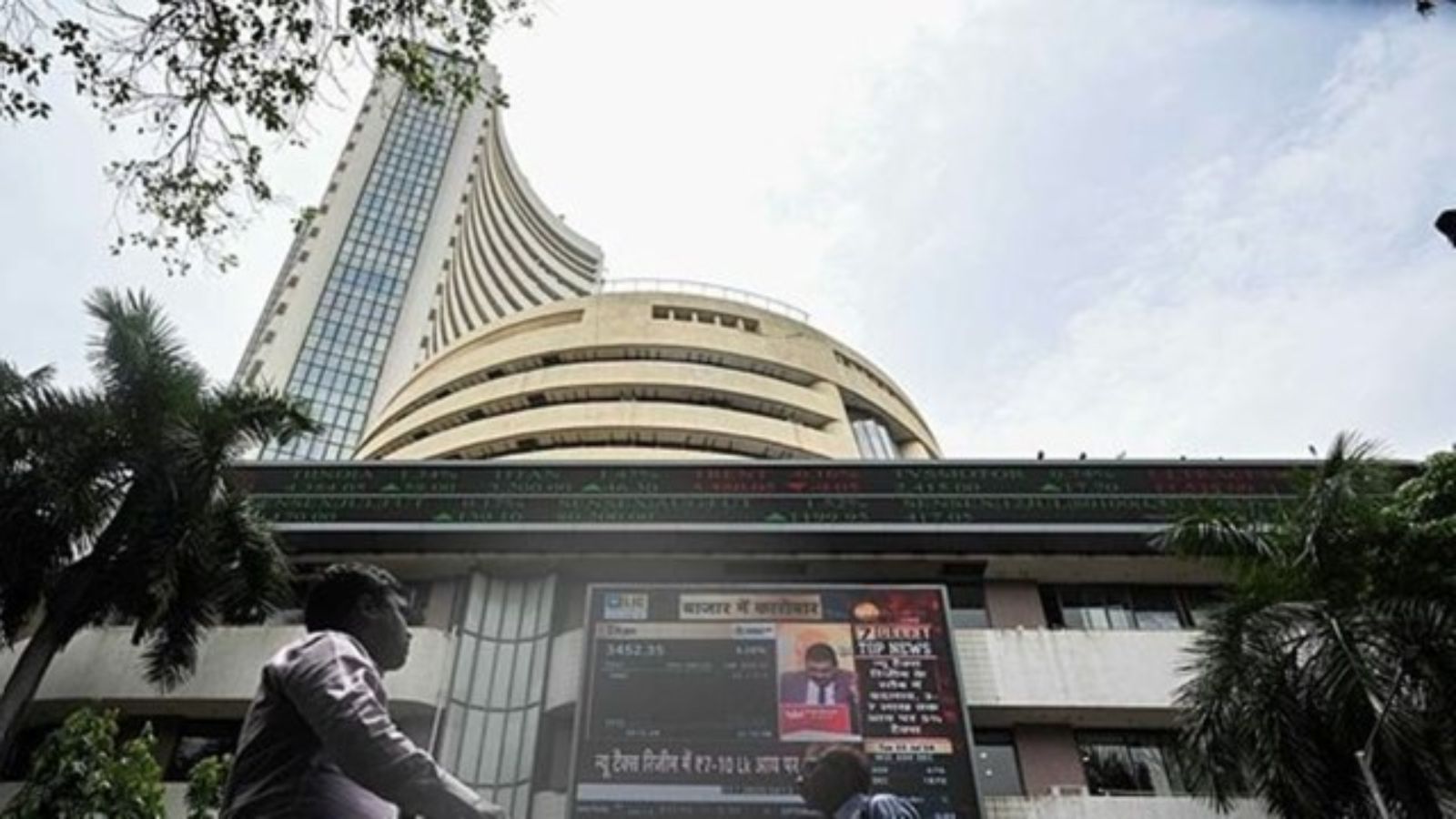
The new closing auction mechanism has led to a divergence in the closing levels of the Sensex and Nifty 50 indices due to thin volumes and differences between the two exchanges on the settlement for individual stock prices. Experts expect the price disparity to normalize as liquidity deepens and more participants enter the market.
Imagine you're at a big market where people are buying and selling things. The new way of closing the market is causing some problems because not many people are participating. This is making the prices of things like stocks go up and down differently on two different exchanges. But experts think that as more people start to participate, the prices will start to match up again.
Analysis
Sensex-Nifty Divergence Continues Despite New Mechanism
The BSE's Sensex and Nifty 50 indices remained divergent on Thursday, despite the new closing auction mechanism coming into effect. The divergence is attributed to thin volumes and differences between the two exchanges on the settlement for individual stock prices.
Experts Expect Price Disparity to Normalize
Experts expect the price disparity to normalize as liquidity deepens and more participants enter the market. Vipin Kumar, assistant vice president of equity research at Globe Capital Market, noted that the new mechanism has been challenging due to limited market participation, causing a divergence between Nifty and Sensex performances. However, as liquidity deepens and broader market participant adoption grows, we expect this price disparity to normalize.
Market Sentiment and RBI's Monetary Policy
The market sentiment was also somewhat buoyed by the Reserve Bank of India's (RBI) monetary policy decision on Wednesday, which many deemed to be more dovish than expected. The central bank hinted at holding interest rates stable for a longer period despite acknowledging the uncertain macroeconomic and inflation outlook. The market also took comfort from a relatively stable situation in West Asia, with crude oil prices remaining around the $80-a-barrel mark.
Key points
- The BSE's Sensex and Nifty 50 indices remained divergent on Thursday, despite the new closing auction mechanism coming into effect.
- Experts expect the price disparity to normalize as liquidity deepens and more participants enter the market.
- The market sentiment was buoyed by the RBI's monetary policy decision on Wednesday, which hinted at holding interest rates stable for a longer period.
- The market also took comfort from a relatively stable situation in West Asia, with crude oil prices remaining around the $80-a-barrel mark.
If the new closing auction mechanism continues to improve, it could lead to more stable and predictable market conditions. This could attract more investors and increase market participation, ultimately benefiting the economy.
If the divergence between the Sensex and Nifty 50 indices continues, it could lead to a loss of investor confidence and a decline in market sentiment. This could have negative consequences for the economy and the stock market.