Coalition split on Andrew Bragg speech as South Australian senator Andrew McLachlan urges colleagues to ‘follow his lead’
Liberal senator Andrew McLachlan has publicly backed Andrew Bragg and urged colleagues to ‘follow his lead’ after a public speech that has split colleagues and triggered a rebuke from opposition leader, Angus Taylor.
Intelligence analysis by Llama
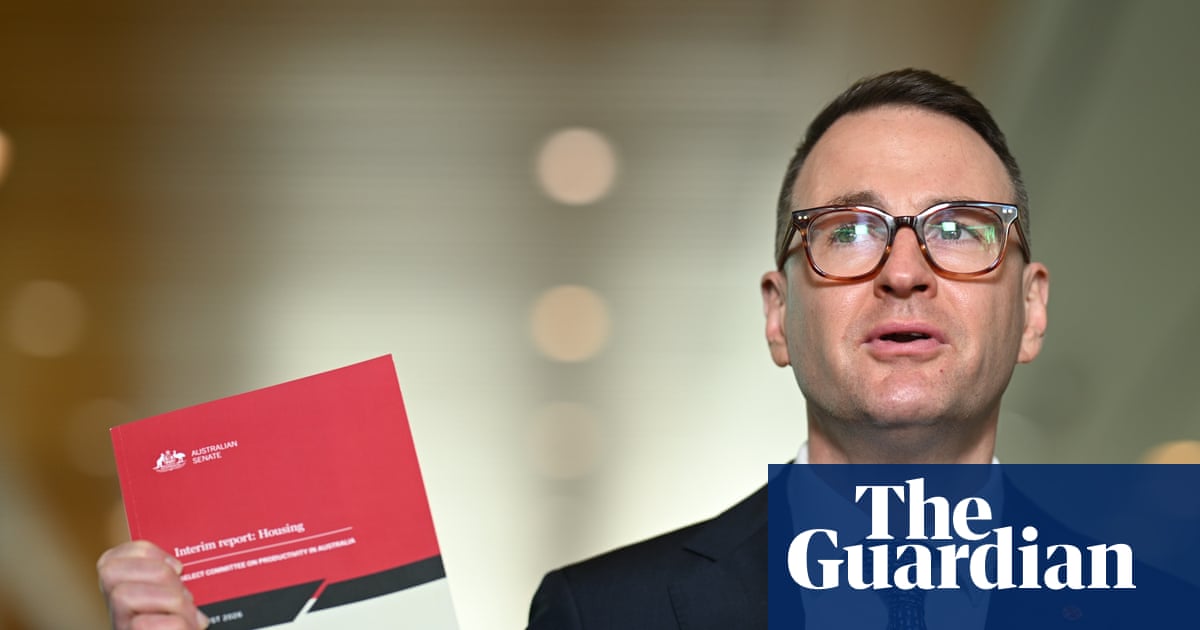
A public speech by Andrew Bragg suggesting net migration should be slashed to 180,000 has earned him a rebuke from his party leader, but has found some supporters within the party. Senior colleagues, including Taylor, were quick to dismiss the migration figure, saying they were Bragg’s ‘personal views’ and that the party’s policy was yet to be finalised.
Imagine you're in a big team, and someone suggests a new way of doing things. Some people might agree with it, but others might not. That's what's happening in the Liberal party right now. One person, Andrew Bragg, suggested that the team should accept fewer new people coming into the country. But some of his colleagues didn't agree with him, and they said that his idea was just his own opinion. It's like when you're in a group project and someone suggests a new idea, but others don't think it's a good idea.
Analysis
Coalition Split on Andrew Bragg Speech
The Liberal party is facing a split over a public speech by Andrew Bragg, the shadow housing minister, suggesting that net migration should be slashed to 180,000. The speech has earned Bragg a rebuke from his party leader, Angus Taylor, but has found some supporters within the party.
Bragg's speech was seen as a bold move to shake up the party's policy and tone. He argued that the current level of net migration, around 300,000, was unsustainable and that the party needed to take a more ambitious approach to addressing the issue. However, his comments were quickly dismissed by senior colleagues, including Taylor, who said that the party's policy was yet to be finalised and that Bragg's views were his own.
Despite the backlash, Bragg has maintained that his speech was an important step in the development of a policy suite that seeks to advance the nation. He has also argued that the party needs to be more open and honest about its policy intentions and that voters need ambitious policy for tomorrow, not micro-announcements for today.
The speech has sparked a debate within the Liberal party about the direction of their policy and the tone of their public discourse. Some colleagues have welcomed Bragg's fresh take and have argued that the party needs to be more willing to take risks and challenge the status quo. Others have been more critical, arguing that Bragg's comments were ill-timed and that the party needs to be more careful about its messaging.
The Nationals leader, Matt Canavan, has praised Bragg's 'big ideas' and has argued that the party needs people like him who are full of energy and enthusiasm. However, the party's leader, Angus Taylor, has been more cautious, arguing that the party needs to be more careful about its policy and that Bragg's comments were his own personal views.
The speech has also highlighted the tension within the Liberal party between those who want to take a more ambitious approach to policy and those who are more cautious. It remains to be seen how the party will respond to Bragg's comments and whether they will adopt a more open and honest approach to policy.
Key points
- Andrew Bragg's speech suggesting net migration should be slashed to 180,000 has sparked a debate within the Liberal party.
- Senior colleagues, including Angus Taylor, have dismissed Bragg's comments as his own personal views.
- Bragg has argued that the party needs to be more open and honest about its policy intentions.
- The speech has highlighted the tension within the Liberal party between those who want to take a more ambitious approach to policy and those who are more cautious.
If the Liberal party adopts a more open and honest approach to policy, it could lead to more innovative and ambitious ideas being put forward. This could help to attract new voters and give the party a fresh perspective on the issues that matter most to Australians.
If the Liberal party continues to be cautious and risk-averse, it could lead to a lack of progress on key issues and a failure to connect with voters. This could ultimately harm the party's chances of winning the next election.