‘Cockroach’ protests: India’s Modi promises to punish corrupt officials in bid to quell anger
India’s prime minister Narendra Modi has promised to punish corrupt officials who leaked examination papers, as a youth-led protest movement rocks Delhi and challenges his government. The movement, dubbed the ‘cockroach’ protests, is demanding the resignation of education…
Intelligence analysis by Llama
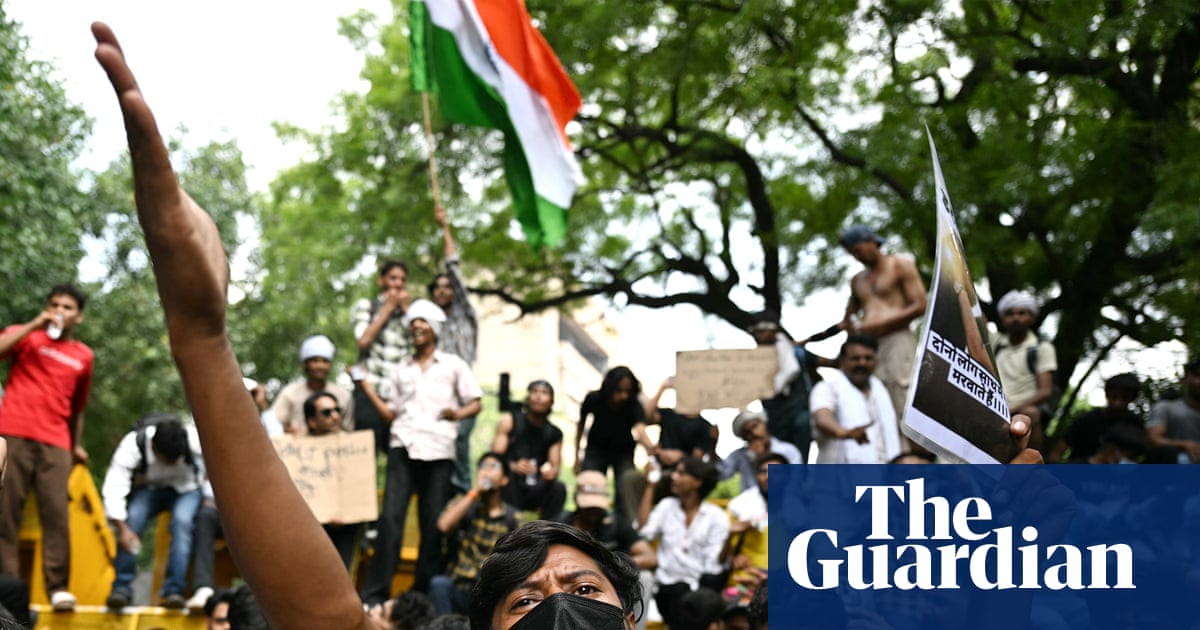
India’s prime minister Narendra Modi has promised to punish corrupt officials who leaked examination papers, as a youth-led protest movement rocks Delhi and challenges his government. The movement, dubbed the ‘cockroach’ protests, is demanding the resignation of education minister Dharmendra Pradhan and reform of the education system.
A group of young people in India are protesting against the government because they are unhappy with the education system. They want the education minister to resign and for the government to make changes to the education system. The government has promised to punish people who leaked exam papers, but the protesters are not happy with this and want more action.
Analysis
A Youth-Led Movement Takes on the Government
The ‘cockroach’ protests are a testament to the power of youth activism in India. The movement, which has been dubbed the ‘cockroach’ protests due to India’s top judge calling unemployed youths ‘cockroaches’, has been gaining momentum over the past few weeks. The protests are demanding the resignation of education minister Dharmendra Pradhan and reform of the education system.
The movement has been met with a brutal crackdown by the police, with baton charges and teargas being used to disperse the protesters. However, the protesters have refused to back down, with many traveling from miles away to join the protests. The movement has also been supported by opposition parties, with the leader of the opposition, Rahul Gandhi, demanding that Modi apologise for failing to provide a fair education system.
The government has been at pains to say that they are willing to talk to the protesters, but the one thing they refuse to mention is Pradhan’s resignation. The protests have also highlighted the issue of corruption in India, with the government promising to set up ‘fast track courts’ to expedite the punishment of corrupt officials who leaked examination papers.
The ‘cockroach’ protests are a significant challenge to India’s prime minister Narendra Modi’s government, highlighting issues of corruption and the need for education reform. The movement has sparked widespread anger and has been met with a brutal crackdown by the police. However, the protesters have refused to back down, and the movement continues to gain momentum.
The Government’s Response
The government has been at pains to say that they are willing to talk to the protesters, but the one thing they refuse to mention is Pradhan’s resignation. The government has also promised to set up ‘fast track courts’ to expedite the punishment of corrupt officials who leaked examination papers. However, the protesters have rejected this offer, demanding that Pradhan resign and that the education system be reformed.
The government’s response to the protests has been seen as inadequate by many, with the protesters feeling that the government is not taking their demands seriously. The protests have also highlighted the issue of corruption in India, with the government promising to punish corrupt officials who leaked examination papers.
The Future of the Movement
The future of the ‘cockroach’ protests is uncertain, but one thing is clear: the movement has sparked widespread anger and has been met with a brutal crackdown by the police. However, the protesters have refused to back down, and the movement continues to gain momentum. The movement has also been supported by opposition parties, with the leader of the opposition, Rahul Gandhi, demanding that Modi apologise for failing to provide a fair education system.
The movement has also highlighted the issue of corruption in India, with the government promising to punish corrupt officials who leaked examination papers. The ‘cockroach’ protests are a significant challenge to India’s prime minister Narendra Modi’s government, and it remains to be seen how the government will respond to the protesters’ demands.
Key points
- The ‘cockroach’ protests are a youth-led movement demanding the resignation of education minister Dharmendra Pradhan and reform of the education system.
- The government has promised to punish corrupt officials who leaked examination papers, but the protesters are not happy with this and want more action.
- The movement has been met with a brutal crackdown by the police, with baton charges and teargas being used to disperse the protesters.
- The government has been at pains to say that they are willing to talk to the protesters, but the one thing they refuse to mention is Pradhan’s resignation.
- The protests have highlighted the issue of corruption in India, with the government promising to punish corrupt officials who leaked examination papers.
The ‘cockroach’ protests may lead to significant changes in India’s education system, with the government being forced to take action to address the issues raised by the protesters. The movement has also highlighted the issue of corruption in India, and the government’s promise to punish corrupt officials who leaked examination papers may lead to a reduction in corruption.
The ‘cockroach’ protests may be met with a continued brutal crackdown by the police, with the protesters being dispersed and arrested. The government may also continue to refuse to take the protesters’ demands seriously, leading to further anger and frustration among the protesters.