Collapse of the Zamboï Mine in Central African Republic: What the Tragedy Reveals About the Excesses of Cameroon's Gold Sector
A landslide at the Zamboï gold mine on the Central African Republic-Cameroon border killed at least 100 people, highlighting the severe lack of control and regulation in Cameroon's informal gold mining sector.
Intelligence analysis by Gemini 2.5 Flash
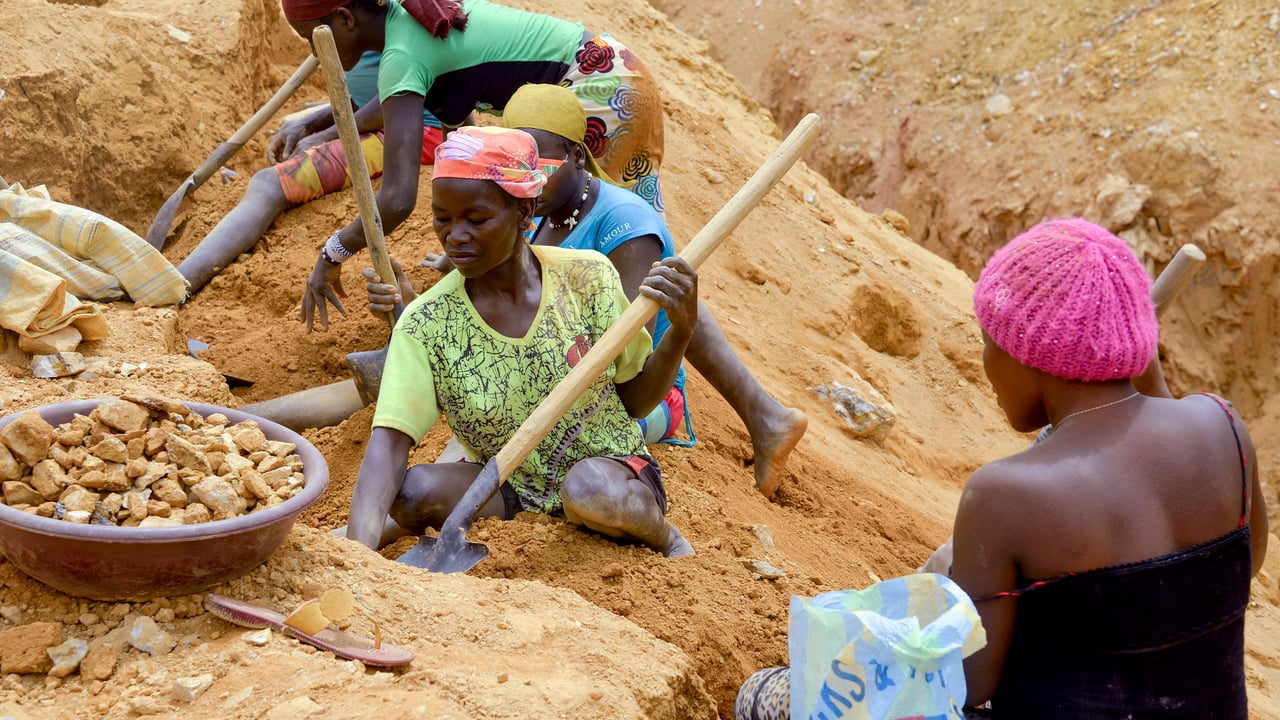
The recent catastrophic mine collapse, captured on video, underscores the perilous conditions and widespread illicit gold mining operations that plague the border region between CAR and Cameroon. This incident brings renewed attention to Cameroon's struggle with regulating its gold sector, where most production bypasses legal channels and contributes to a system rife with corruption a…
Imagine a treasure hunt for shiny gold, but instead of a map, people just dig big holes wherever they think gold might be. Sometimes, these holes are very deep and unsafe, like digging too close to a sandcastle that can easily fall. Recently, a big part of the earth fell into one of these gold holes near Cameroon, burying many people. This shows that the grown-ups in charge aren't doing a good job making sure the digging is safe, and a lot of the gold is secretly taken out of the country instead of being sold properly.
Analysis
Zamboï Mine
The collapse at the Zamboï mine, situated on the border between the Central African Republic and Cameroon, resulted in at least 100 fatalities. This catastrophic event, captured on video, involved a large block of earth detaching from a hill and burying dozens of informal miners. The incident serves as a stark reminder of the extreme dangers faced by those involved in unregulated artisanal gold mining, where safety protocols are often non-existent and desperate individuals risk their lives daily.
Cameroon's Gold Sector
The tragedy has reignited the debate surrounding the deficient control over gold panning activities within Cameroon. Reports indicate that a staggering 95% of Cameroon's national gold production is not channeled through legal circuits, instead being illicitly exported, often via international airports, primarily to destinations like Dubai. This massive outflow of unregistered gold signifies a profound failure in the country's security and regulatory systems, enabling a shadow economy that deprives the state of significant revenue and fuels corruption.
Paul Biya's System
The article alludes to a "solid gold (and wood) system" surrounding President Paul Biya, suggesting a deeply entrenched political-financial network that benefits from these illicit activities. This system, reportedly bolstered by donations from "local barons" during presidential campaigns, points to a broader issue of governance where powerful figures may exploit the unregulated mining sector for personal and political gain. The lack of oversight not only leads to environmental degradation and human rights abuses but also contributes to an "epidemic of suspicious deaths" linked to rivalries among traffickers and powerful individuals, far exceeding official fatality counts.
Key points
- A landslide at the Zamboï gold mine on the CAR-Cameroon border killed at least 100 people.
- The incident highlights the severe lack of control and regulation in Cameroon's informal gold mining sector.
- An estimated 95% of Cameroon's gold production is illegally exported, often to Dubai, bypassing legal channels.
- The illicit gold trade is linked to a "well-oiled political-financial system" and an "epidemic of suspicious deaths" in Cameroon.
- The tragedy underscores the perilous conditions and corruption prevalent in the region's artisanal gold mining.
The continued lack of regulation and oversight in Cameroon's gold sector suggests that similar tragedies and illicit activities are likely to persist. Without significant government intervention and enforcement, the human cost, environmental damage, and economic leakage from illegal gold mining will continue to undermine national development and regional stability.
