Collective global efforts imperative to tackle environmental challenges: FCCI Acting President
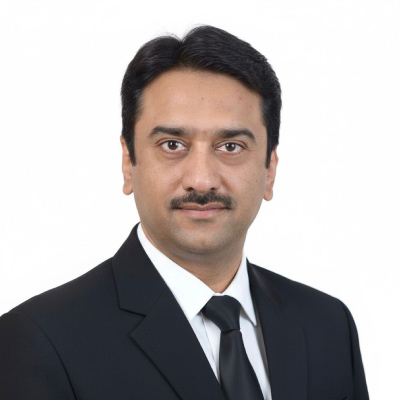
FCCI Acting President Naveed Akram Sheikh urged coordinated action by government, industry, academia and civil society to address climate and pollution risks.
Intelligence analysis by GPT-5.4 Mini
At a World Environment Day event in Faisalabad, FCCI leaders and environmental experts said Pakistan must make industry greener, protect vulnerable people from heat, and keep working with regulators to improve air, water and waste management.
The article says Faisalabad’s business leaders think pollution is like a shared problem in a classroom: if one child makes a mess, everyone feels it. They want factories, schools and the government to clean up together so the city stays healthy and can still sell goods to other countries.
Analysis
What FCCI said
Faisalabad Chamber of Commerce & Industry Acting President Naveed Akram Sheikh said environmental protection is not just a local issue but a global one that needs organized, coordinated action. Speaking at a World Environment Day ceremony, he argued that governments, industries, academia and civil society must work together to reduce environmental damage and climate threats.
He said the industrial sector in Faisalabad has already changed in important ways. According to him, when the Environmental Protection Agency Punjab was first established, many business owners saw environmental rules as a threat to profits. Over time, however, the city has seen visible improvement. He pointed to the past use of harmful fuels such as discarded tyres, shoes and rubber products, saying those practices have now mostly been stopped as awareness and compliance improved.
Trade and compliance pressure
Sheikh warned that Pakistan wants to raise exports and cut imports by 2030, but that goal could be undermined if manufacturers do not adopt cleaner production methods. He said international buyers may become less willing to import Pakistani products if the country fails to meet environmental requirements. His message was that greener factories are no longer optional if Pakistan wants to compete in global markets.
Broader measures discussed
Other speakers described ongoing work around tree plantation, wastewater treatment and research partnerships with academic institutions. Waheed Khaliq Ramay said the chamber tries to take a consultative approach with regulators and participates in most EPA-led campaigns. Dr Nusrat Zahra called for making Faisalabad an environmentally friendly city through policy and public participation.
Dr Farhana Nosheen focused on climate impacts, saying temperatures in Faisalabad have crossed 45 degrees Celsius this year and that extreme heat hits children, low-income workers, vulnerable communities and patients hardest. A WWF-Pakistan representative described a rainwater harvesting project funded by the organization itself to store and reuse water. Participants also suggested limiting smoke-emitting vehicles in the city to improve air quality.
The event ended with a tree plantation activity, reinforcing the chamber’s public commitment to cleaner air, better water use and a greener Faisalabad.
Key points
- FCCI Acting President Naveed Akram Sheikh said environmental protection requires coordinated action from government, industry, academia and civil society.
- He said Faisalabad’s industrial sector has improved over time, including a reduction in the use of hazardous fuels such as discarded tyres and rubber products.
- He warned that exporters may lose access to international markets if they fail to meet environmental compliance standards.
- Speakers highlighted tree plantation, wastewater treatment, rainwater harvesting and research partnerships as practical responses.
- Participants discussed restricting smoke-emitting vehicles and warned that extreme heat is already harming vulnerable groups in Faisalabad.
If the chamber’s push continues, Faisalabad’s industries could become cleaner and better aligned with global trade rules. The tree planting, wastewater work and research partnerships could also improve local air, water and heat resilience over time.
If factories do not keep changing their production methods, Pakistani exporters could face tougher barriers in overseas markets. The city could also keep suffering from severe heat, air pollution and water stress if enforcement and public action do not hold up.