Colombia, Ecuador hit by 7.4-magnitude earthquake
A powerful 7.4-magnitude earthquake struck western Colombia, affecting neighboring Ecuador and causing injuries and significant damage to buildings in cities like Quibdo and Pereira.
Intelligence analysis by Gemini 2.5 Flash
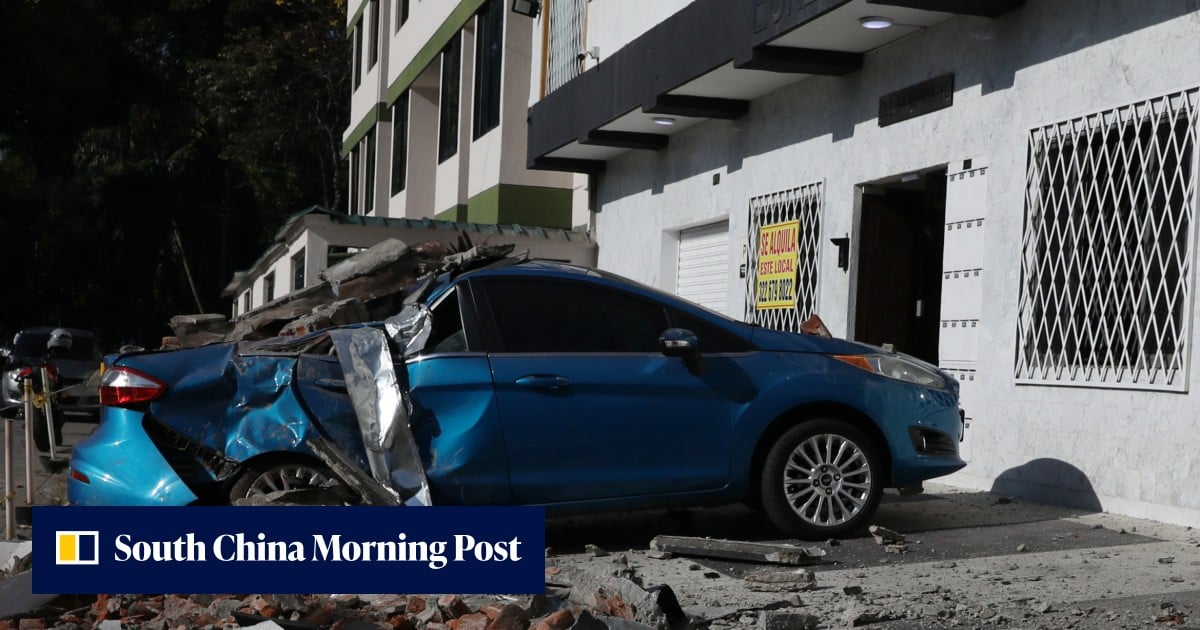
A major 7.4-magnitude earthquake has rattled western Colombia and parts of Ecuador, leading to evacuations and reports of injuries and substantial structural damage in regional capitals such as Quibdo and Pereira. Authorities are currently assessing the full extent of the devastation and are concerned about potential aftershocks.
Imagine the Earth is like a giant puzzle, and sometimes the pieces (called plates) rub against each other. When they get stuck and then suddenly slip, it causes a big shake, like when you drop a heavy book. That's what happened in Colombia and Ecuador, a big shake that made buildings wobble and sometimes break, and people had to run outside to be safe.
Analysis
The recent 7.4-magnitude earthquake that struck western Colombia and impacted neighboring Ecuador underscores the persistent seismic risks faced by nations situated along active geological fault lines. This powerful tremor prompted immediate evacuations and has already led to initial reports of significant structural damage and injuries, particularly in urban centers within the affected regions. The event serves as a stark reminder of the unpredictable nature of natural disasters and the critical need for robust emergency response mechanisms and resilient infrastructure in vulnerable areas.
San Jose Del Palmar
The epicenter of the powerful 7.4-magnitude earthquake was identified in San Jose Del Palmar, a municipality located within Colombia's Choco region. This specific geographical placement, approximately 400 kilometers west of the capital Bogota, indicates that the seismic activity originated in a relatively remote area. The depth of the quake, recorded at 107 kilometers by the US Geological Survey, suggests a deep-focus earthquake, which can sometimes spread its energy over a wider area but might reduce localized surface intensity compared to shallower quakes of similar magnitude.
The location of the epicenter in San Jose Del Palmar is crucial for understanding the distribution of damage. While the immediate vicinity of the epicenter would experience intense shaking, the deep nature of the quake meant that its effects were felt significantly in more distant, larger population centers. This highlights the challenge of disaster preparedness, as the impact zone can extend far beyond the direct point of origin, necessitating broad regional coordination for relief efforts.
Nubia Córdoba
Choco Governor Nubia Córdoba was among the first officials to provide public updates on the earthquake's immediate aftermath. Through social media, Governor Córdoba confirmed reports of injuries and substantial damage to buildings within Quibdo, the regional capital. Her swift communication underscored the urgency of the situation and the immediate concerns regarding the safety of residents and the integrity of local infrastructure.
Governor Córdoba also expressed apprehension about potential aftershocks, a common and often dangerous consequence following a major earthquake. Her statement indicated that damage assessments were already underway, signaling a rapid response from local authorities to quantify the impact and plan for recovery. The focus on immediate assessment is vital for deploying resources effectively and ensuring the safety of communities in the hours and days following such a significant natural event.
Quibdo
Quibdo, the capital of the Choco region, appears to be one of the areas most significantly affected by the earthquake, despite the epicenter being near San Jose Del Palmar. Reports from Governor Nubia Córdoba specifically mentioned injuries and considerable damage to buildings within the city. This suggests that Quibdo, a more densely populated urban center, bore a substantial brunt of the seismic activity, likely due to its proximity to the fault line or geological conditions that amplified the shaking.
The damage in Quibdo, alongside similar reports from Pereira in the neighboring Risaralda province, indicates a widespread impact across western Colombia. The focus on assessing damage in these urban areas is critical for understanding the humanitarian needs, including medical aid for the injured and temporary shelter for those displaced by structural failures. The scale of damage in Quibdo will be a key factor in determining the overall recovery effort required for the region.
Key points
- A 7.4-magnitude earthquake struck western Colombia, impacting neighboring Ecuador.
- The epicenter was located in San Jose Del Palmar, Choco region, at a depth of 107 km.
- Choco Governor Nubia Córdoba reported injuries and serious building damage in Quibdo, the regional capital.
- Neighboring Risaralda province also reported significant damage to buildings in its capital, Pereira.
- Authorities are conducting damage assessments and are concerned about potential aftershocks.
The immediate aftermath could see significant challenges in rescue and recovery efforts, especially if aftershocks continue or if infrastructure damage impedes access to affected areas. The long-term impact on local economies and the displacement of residents could also be substantial, requiring extensive rebuilding and support.