Colombia president-elect to open Israel embassy in Jerusalem
Colombia's president-elect, Abelardo de la Espriella, plans to open an embassy in Jerusalem as he seeks to restore and strengthen ties with Israel. This move comes after the previous government severed ties with Israel over its offensive in the Gaza Strip.
Intelligence analysis by Llama
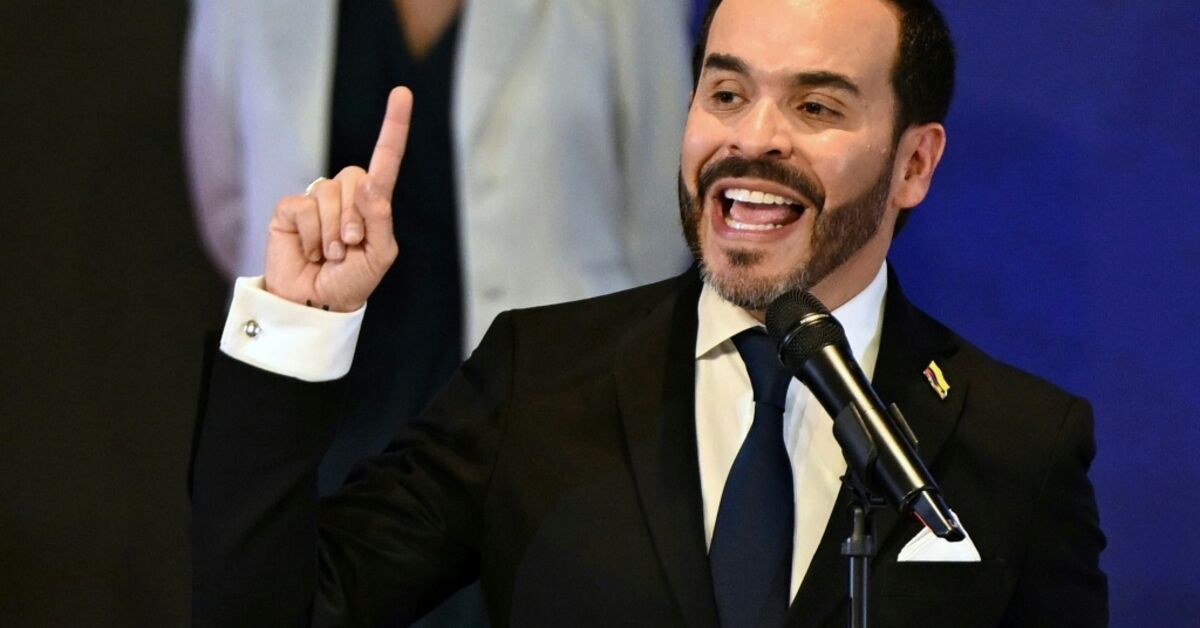
Colombia's president-elect, Abelardo de la Espriella, plans to open an embassy in Jerusalem as he seeks to restore and strengthen ties with Israel. This move comes after the previous government severed ties with Israel over its offensive in the Gaza Strip. De la Espriella has promised to clamp down on Colombia's myriad armed groups by forging a military alliance with the United States…
Colombia's new president wants to be friends with Israel again. He's going to open a special office in Jerusalem to help them work together. This is a big deal because it shows that Colombia is changing its mind about how it works with other countries.
Analysis
A New Era in Colombia-Israel Relations
The decision by Colombia's president-elect, Abelardo de la Espriella, to open an embassy in Jerusalem marks a significant shift in the country's foreign policy. This move comes after the previous government, led by President Gustavo Petro, severed ties with Israel over its offensive in the Gaza Strip. The incoming government is seeking to restore and strengthen ties with Israel, with the aim of clamping down on Colombia's myriad armed groups by forging a military alliance with the United States and Israel.
The opening of the Colombian Embassy in Jerusalem is a significant development, as it shows that the new government is committed to strengthening ties with Israel. This move also has implications for Colombia's relationship with the international community, particularly with regards to the Israeli-Palestinian conflict. The United States, which has a long-standing relationship with Israel, has welcomed the move, with US President Donald Trump expressing support for the decision.
The incoming government's decision to withdraw its support for South Africa's case before the International Court of Justice (ICJ), which accuses Israel of committing genocide in Gaza, is also significant. This move shows that the new government is willing to take a more pragmatic approach to international relations, rather than being driven by ideological considerations.
Overall, the opening of the Colombian Embassy in Jerusalem marks a significant shift in the country's foreign policy. It shows that the new government is committed to strengthening ties with Israel, and is willing to take a more pragmatic approach to international relations. This move has significant implications for Colombia's relationship with the international community, and will likely be closely watched by other countries in the region.
Key points
- Colombia's president-elect plans to open an embassy in Jerusalem.
- The move is aimed at restoring and strengthening ties with Israel.
- The incoming government is seeking to forge a military alliance with the United States and Israel to clamp down on Colombia's myriad armed groups.
- Colombia is withdrawing its support for South Africa's case before the ICJ, which accuses Israel of committing genocide in Gaza.
If this development plays out positively, it could lead to increased cooperation between Colombia and Israel on security issues. This could help to reduce the presence of armed groups in Colombia and improve the country's overall security situation.
However, there are also risks associated with this development. For example, the move could be seen as a provocation by some countries in the region, which could lead to increased tensions and conflict. Additionally, the decision to withdraw support for South Africa's case before the ICJ could be seen as a betrayal of the country's values and principles.