Columbia becomes first country in Latin America to ban female genital mutilation
Columbia has become the first country in Latin America to ban female genital mutilation. The practice, which involves the removal of part or all of the external female genitalia, has been a long-standing issue in the country's indigenous communities. According to the Worl…
Intelligence analysis by Llama
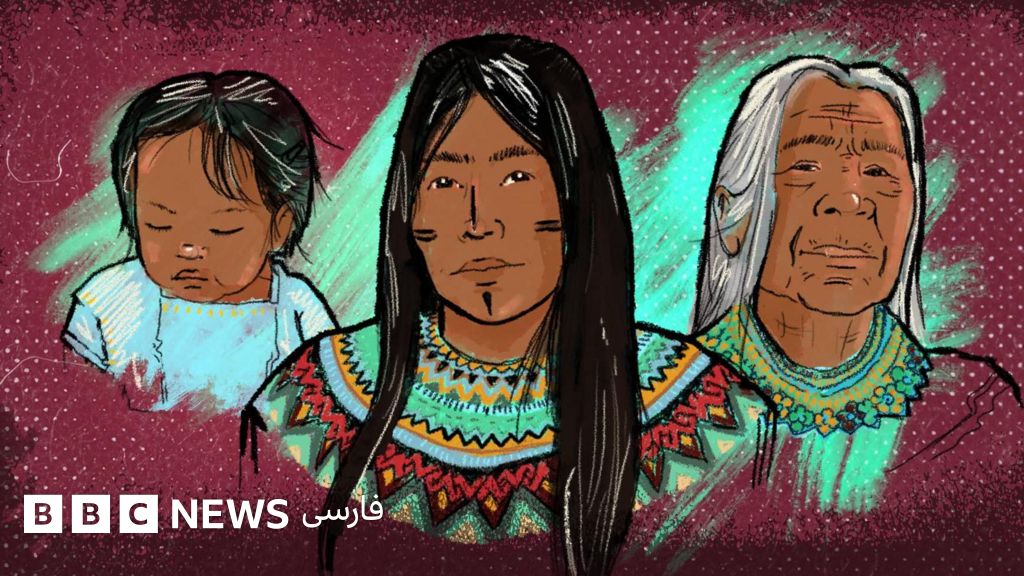
Columbia has banned female genital mutilation, a practice that has been a long-standing issue in the country's indigenous communities. The law is a significant step towards eradicating this harmful practice, which can have severe physical and emotional consequences for women and girls.
Female genital mutilation is a practice where a part or all of a girl's or woman's external genitalia is removed. This can cause physical and emotional harm, and it's not a necessary part of any culture. Columbia has banned this practice, which is a good step towards protecting women and girls' rights.
Analysis
The Long Road to Eradication
The ban on female genital mutilation in Columbia is the result of years of activism and advocacy by women's rights groups and indigenous communities. The practice, which involves the removal of part or all of the external female genitalia, has been a long-standing issue in the country's indigenous communities. According to the World Health Organization, over 230 million women and girls worldwide have been subjected to this practice, with the majority in African countries.
The law is a significant step towards eradicating this harmful practice, which can have severe physical and emotional consequences for women and girls. The practice can lead to infections, bleeding, and other health problems, as well as emotional trauma and psychological distress. In addition, it can also have long-term consequences for women's reproductive health and well-being.
A Culture of Silence
The practice of female genital mutilation is often shrouded in secrecy and silence, making it difficult to track and address. In Columbia, the practice is often performed by older women in the community, who may view it as a necessary part of their cultural heritage. However, this view is not universally held, and many women and girls in the community are speaking out against the practice.
A New Era of Protection
The ban on female genital mutilation in Columbia is a significant step towards protecting women's and girls' rights. The law is a recognition of the harm caused by this practice and a commitment to eradicating it. It is also a recognition of the importance of protecting indigenous women and girls, who are disproportionately affected by this practice.
A Long Road Ahead
While the ban on female genital mutilation in Columbia is a significant step forward, it is also a reminder that there is still much work to be done. The practice is still prevalent in many parts of the world, and it will take continued activism and advocacy to eradicate it. In Columbia, the law is a starting point for a broader conversation about women's and girls' rights and the importance of protecting indigenous communities.
Key points
- Columbia has banned female genital mutilation, a practice that has been a long-standing issue in the country's indigenous communities.
- The ban is a significant step towards eradicating this harmful practice, which can have severe physical and emotional consequences for women and girls.
- The practice is often shrouded in secrecy and silence, making it difficult to track and address.
- The ban is a recognition of the importance of protecting women's and girls' rights and a commitment to eradicating this practice.
- The law is a starting point for a broader conversation about women's and girls' rights and the importance of protecting indigenous communities.
The ban on female genital mutilation in Columbia is a significant step towards eradicating this harmful practice. It is a recognition of the importance of protecting women's and girls' rights and a commitment to eradicating this practice. This law will help to protect women and girls from the physical and emotional harm caused by this practice.
The ban on female genital mutilation in Columbia is a significant step, but it is also a reminder that there is still much work to be done. The practice is still prevalent in many parts of the world, and it will take continued activism and advocacy to eradicate it. In Columbia, the law is a starting point for a broader conversation about women's and girls' rights and the importance of protecting indigenous communities.