Common sweetener ‘Xylitol’ linked to cardiovascular and stroke risk
New research suggests a common low-calorie sweetener, xylitol, found in many foods and oral care products, may be linked to a higher risk of heart attacks, strokes, and other cardiovascular problems.
Intelligence analysis by Gemini 2.5 Flash
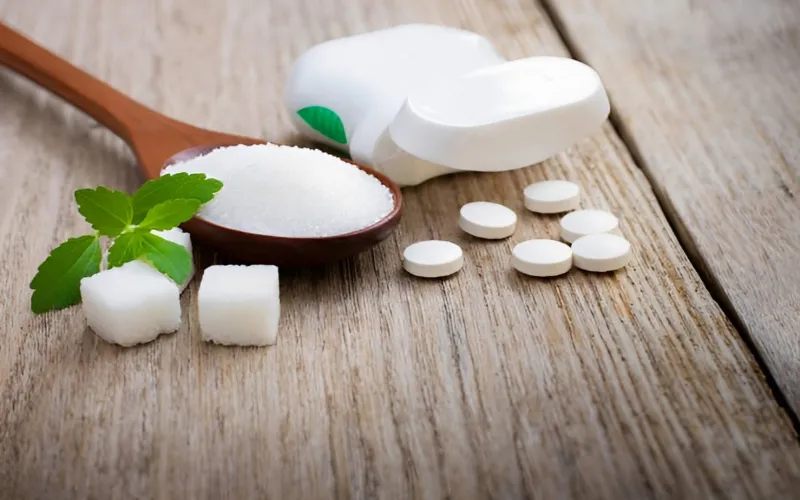
A study presented at the European Society of Cardiology Congress found that individuals with the highest blood levels of xylitol had a 57% increased risk of major cardiovascular events or death within six years. While the link remained after accounting for other risk factors, researchers emphasize that the observational nature of the study means it identifies a correlation, not direct…
Imagine xylitol is like a special kind of sugar that's in your chewing gum or some yogurts. Scientists looked at people's blood and found that those with more xylitol seemed to have a higher chance of getting heart problems, like a heart attack. It's like noticing that kids who eat a lot of candy also get more cavities, but you still need to figure out if the candy *causes* the cavities or if something else is going on. So, they need to do more detective work to be sure.
Analysis
Xylitol's Widespread Use
Xylitol, a low-calorie sugar substitute, has become a ubiquitous ingredient in modern food and oral care products. It is commonly found in items such as chewing gum, toothpaste, jams, and yogurt, serving as an alternative to traditional sugar. Its popularity stems from its sweet taste with fewer calories, making it attractive to consumers seeking healthier or diet-friendly options.
Despite its extensive application, the long-term health implications of xylitol, particularly concerning cardiovascular health, have remained largely under-researched. The recent findings highlight a critical gap in understanding the full spectrum of effects this common sweetener may have on the human body, prompting a re-evaluation of its perceived safety.
Cardiovascular Event Risk
The new research, presented at the European Society of Cardiology Congress in Munich, revealed a concerning association between xylitol and cardiovascular health. A large long-term analysis indicated that individuals with the highest levels of xylitol in their blood faced a 57% higher risk of experiencing a major cardiovascular event or dying within a six-year period, compared to those with the lowest levels.
This significant link was observed to follow a dose-related pattern, suggesting that higher exposure might correlate with greater risk. Crucially, the researchers accounted for various confounding factors, including age, sex, body mass index, high blood pressure, diabetes, and cholesterol levels, yet the association persisted. The study also noted that increased clotting activity, potentially influenced by xylitol, may contribute to these cardiovascular problems.
Observational Research
It is important to contextualize these findings within the framework of observational research. The study identified a strong connection between elevated blood xylitol levels and cardiovascular events but did not establish a direct cause-and-effect relationship. This means that while a correlation exists, further studies are essential to definitively determine whether xylitol itself directly contributes to cardiovascular disease or if other underlying factors might explain the observed association.
Health experts, in light of these emerging concerns and the growing prevalence of low-calorie sweeteners, continue to advocate for a balanced diet. Their recommendations emphasize reducing highly processed foods and drinks, limiting the intake of free sugars, and adopting a heart-healthy lifestyle. This advice remains paramount as the scientific community works to better understand the long-term effects of such widely consumed products.
Key points
- Xylitol, a common low-calorie sweetener, is linked to a higher risk of heart attacks, strokes, and cardiovascular problems.
- Individuals with the highest blood xylitol levels had a 57% increased risk of major cardiovascular events or death within six years.
- The association remained significant even after accounting for other risk factors like age, BMI, and diabetes.
- The research is observational, meaning it identifies a correlation but does not establish direct cause and effect.
- More studies are needed to fully understand xylitol's long-term impact on heart health.
The research, while raising concerns, could lead to increased awareness and further scientific investigation into the long-term effects of sweeteners, potentially resulting in more informed dietary guidelines and product formulations that prioritize public health.
If the link between xylitol and cardiovascular risk is definitively proven, it could necessitate widespread reformulation of numerous food and oral care products, causing significant disruption to industries and requiring consumers to drastically alter their dietary habits.