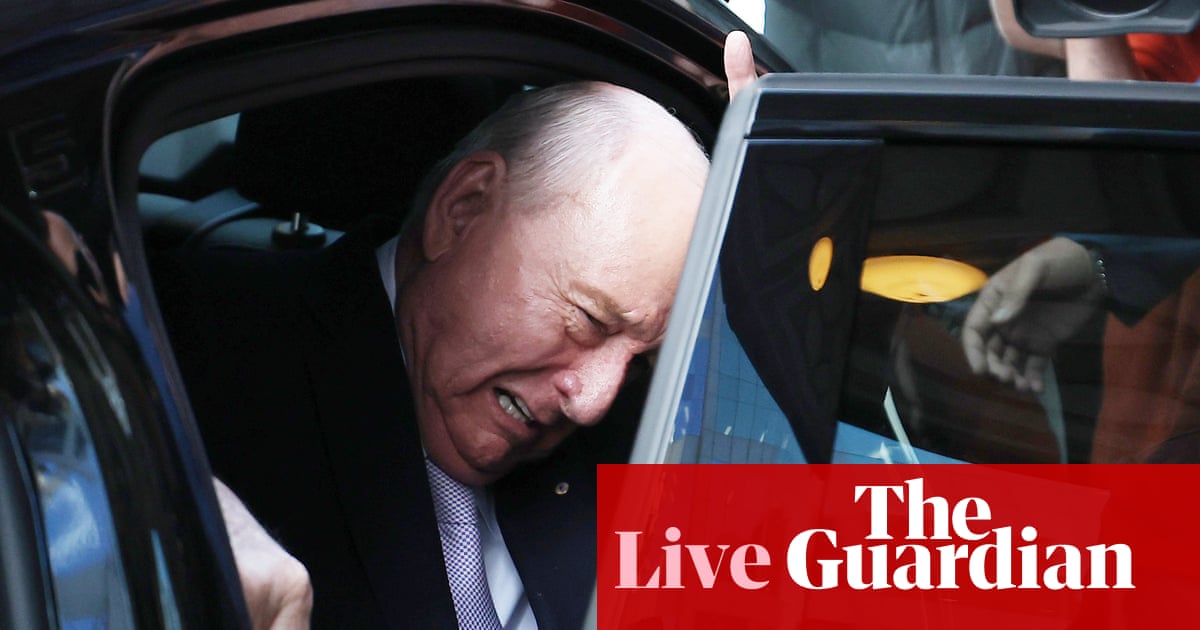
‘Completely hollow’: critics denounce Blanche deal to halt Trump slush fund
Critics denounce a deal between Todd Blanche and two Republican senators that potentially cleared the way for Blanche's confirmation as attorney general. The agreement makes promises Donald Trump can easily reverse, leaving room for the president to resurrect the fund.
Intelligence analysis by Llama
A compromise between Todd Blanche and two Republican senators has been met with criticism from Democrats and experts, who say the agreement makes promises Donald Trump can easily reverse. The deal potentially clears the way for Blanche's confirmation as attorney general, but critics argue it does not address the underlying issues.
Imagine you're playing a game where the rules keep changing. That's kind of what's happening with the Trump administration's use of a $1.8bn weaponization fund and the tax immunity deal. The deal has been criticized for its lack of transparency and its potential to be used as a slush fund for Trump's personal interests. It's like the game is rigged, and nobody knows the rules.
Analysis
A $60B Vote of Confidence
The recent deal between Todd Blanche and two Republican senators has been met with widespread criticism from Democrats and experts. The agreement, which potentially clears the way for Blanche's confirmation as attorney general, has been hailed as a victory by some, but others see it as a hollow promise that does not address the underlying issues.
The controversy surrounding the Trump administration's use of a $1.8bn weaponization fund and the tax immunity deal has been ongoing for months. The fund, which was created to compensate January 6 defendants, has been criticized for its lack of transparency and its potential to be used as a slush fund for Trump's personal interests.
The tax immunity deal, which was reached as part of a $10bn lawsuit filed by Trump and his sons against the government, has also been criticized for its potential to free Trump of a $100m penalty related to past audits of his tax returns.
Despite the criticism, the deal has been defended by some as a necessary step towards confirming Blanche as attorney general. However, others argue that it does not address the underlying issues and leaves room for Trump to resurrect the fund.
Why Cursor?
The controversy surrounding the Trump administration's use of a $1.8bn weaponization fund and the tax immunity deal is complex and multifaceted. At its core, the issue is about the use of government funds for personal gain and the lack of transparency surrounding the deal.
The deal has been criticized for its potential to be used as a slush fund for Trump's personal interests, and for its lack of transparency. The tax immunity deal, which was reached as part of a $10bn lawsuit filed by Trump and his sons against the government, has also been criticized for its potential to free Trump of a $100m penalty related to past audits of his tax returns.
The Road Ahead
The controversy surrounding the Trump administration's use of a $1.8bn weaponization fund and the tax immunity deal is likely to continue for the foreseeable future. The deal has been criticized by Democrats and experts, and it is unclear whether it will be enough to address the underlying issues.
One thing is certain, however: the controversy surrounding the Trump administration's use of a $1.8bn weaponization fund and the tax immunity deal is a complex and multifaceted issue that will require a nuanced approach to resolve.
Key points
- Critics denounce a deal between Todd Blanche and two Republican senators that potentially cleared the way for Blanche's confirmation as attorney general.
- The agreement makes promises Donald Trump can easily reverse, leaving room for the president to resurrect the fund.
- The deal has been criticized for its lack of transparency and its potential to be used as a slush fund for Trump's personal interests.
- The tax immunity deal, which was reached as part of a $10bn lawsuit filed by Trump and his sons against the government, has also been criticized for its potential to free Trump of a $100m penalty related to past audits of his tax returns.
If the deal is implemented as intended, it could potentially lead to a more transparent and accountable use of government funds. However, critics argue that the deal does not address the underlying issues and leaves room for Trump to resurrect the fund.
The deal has been criticized for its potential to be used as a slush fund for Trump's personal interests, and for its lack of transparency. If the deal is not implemented as intended, it could lead to a continuation of the controversy surrounding the Trump administration's use of a $1.8bn weaponization fund and the tax immunity deal.