Completion of 160,000 residential units on agenda
The Chairman of the National Housing Fund, Khosrow Mokhtari, stated that the fund aims to complete and inaugurate 160,000 residential units this year. The government's priority is the completion and inauguration of these units, and the fund will support the completion of …
Intelligence analysis by Llama
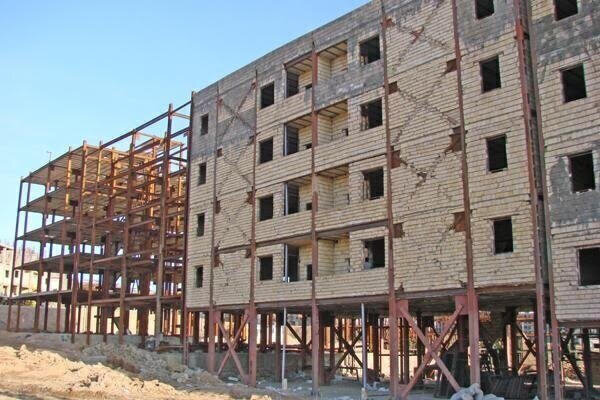
The National Housing Fund has shifted its approach to resource allocation, focusing on project beneficiaries rather than projects themselves. This has accelerated progress, settled outstanding obligations, and increased participation and equity among the contractor, people, and provincial offices of Roads and Urban Development.
The National Housing Fund is working to complete 160,000 residential units. They are changing how they give out money to make sure the projects get finished faster and that people who need homes get them. This is a big deal because it will help a lot of people have a place to live.
Analysis
160,000 Residential Units on the Agenda
The Chairman of the National Housing Fund, Khosrow Mokhtari, has stated that the fund aims to complete and inaugurate 160,000 residential units this year. This is a significant development in the housing sector, and the government's priority is the completion and inauguration of these units. The National Housing Fund will also support the completion of the same units.
Shift in Resource Allocation Approach
The National Housing Fund has shifted its approach to resource allocation, focusing on project beneficiaries rather than projects themselves. This has accelerated progress, settled outstanding obligations, and increased participation and equity among the contractor, people, and provincial offices of Roads and Urban Development. The fund's approach has changed from disbursing resources to project beneficiaries, which has led to a more effective allocation of resources.
Impact of the New Approach
The new approach has had a positive impact on the delivery of residential units. The fund's resources are now allocated based on the national ID code of eligible individuals in the 'Tam' system, which has increased the effectiveness of resource distribution. The fund does not have a provincial structure or branches, and resource distribution is done based on the national ID code of eligible individuals in the 'Tam' system. This has led to a more efficient allocation of resources and has reduced the risk of resources being trapped in a particular province.
Potential Receivables
Although current resources are insufficient, the National Housing Fund has potential receivables that, if supported and collected, could enable the fund to play a more effective role in the delivery of residential units. The Chairman of the National Housing Fund has stated that the fund assesses capacity every three months and allocates resources to deliverable projects. This has led to a more effective allocation of resources and has increased the chances of completing the 160,000 residential units on the agenda.
Key points
- The National Housing Fund aims to complete and inaugurate 160,000 residential units this year.
- The fund has shifted its approach to resource allocation, focusing on project beneficiaries rather than projects themselves.
- The new approach has accelerated progress, settled outstanding obligations, and increased participation and equity among the contractor, people, and provincial offices of Roads and Urban Development.
- The fund's resources are now allocated based on the national ID code of eligible individuals in the 'Tam' system.
- The fund has potential receivables that, if supported and collected, could enable the fund to play a more effective role in the delivery of residential units.
If the National Housing Fund is successful in completing the 160,000 residential units, it could lead to a significant increase in the availability of affordable housing in Iran. This could have a positive impact on the economy and society as a whole.
If the National Housing Fund is unable to complete the 160,000 residential units, it could lead to a shortage of affordable housing in Iran. This could have a negative impact on the economy and society, particularly for low-income households.