Concerns of Palestinian economic crisis grow as Israeli banks prepare to cut ties
Two Israeli banks will halt working with their Palestinian counterparts in the coming months citing risks of associating with possible terrorism financing and money laundering, Israeli officials said, fuelling concerns of a Palestinian economic crisis.
Intelligence analysis by Llama
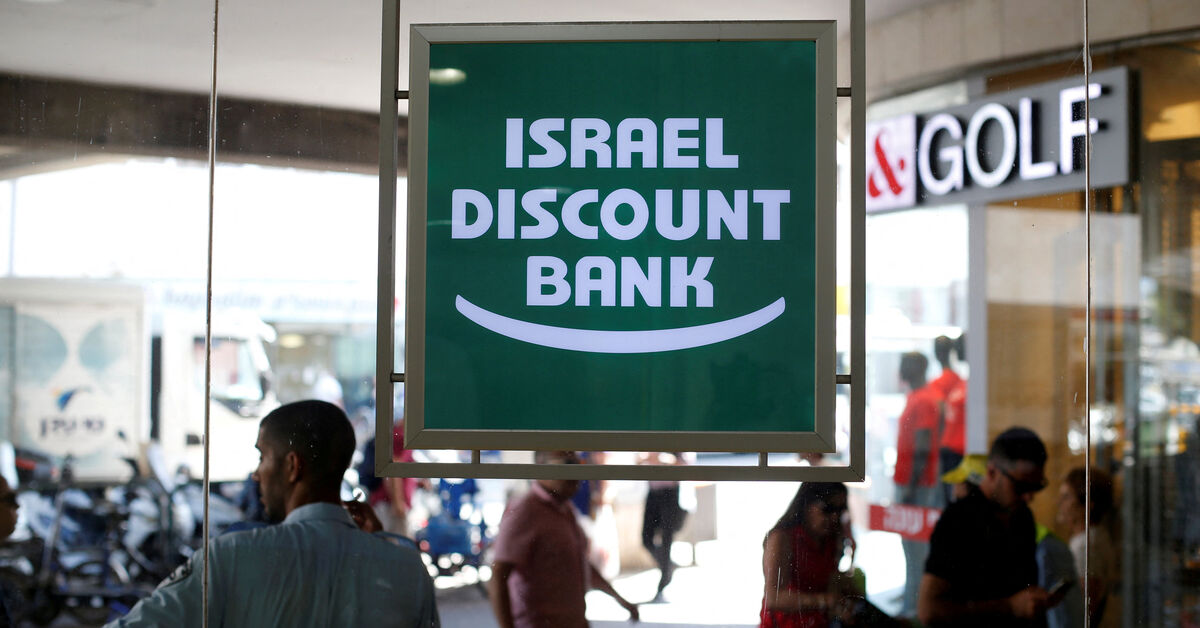
Israeli banks will stop working with Palestinian banks due to concerns of terrorism financing and money laundering, which could lead to a Palestinian economic crisis.
Imagine you're trying to send money to your friend in another country, but the banks in your country are worried that the money might be used for something bad. They're stopping the money from being sent, which could cause problems for both your friend and the country they live in.
Analysis
A Cornerstone of Economic Stability at Risk
The correspondent banking relationship between Israeli and Palestinian banks is a crucial component of the economic infrastructure that supports trade, commerce, and government operations in the region. The disruption of this relationship could have profound consequences, not only for Palestinians but also for Israelis and regional stability. Yahya Shunnar, governor of the Palestinian Monetary Authority, warned of regional economic instability should the Israeli banks sever their ties with Palestinian banks.
A Decade of Anti-Money Laundering Framework
Over the past decade, the Palestinian Authority has built up its anti-money laundering framework to international standards. The United States and the UK have assessed that the PA's counter-terrorism financing practices meet or exceed international standards when the concern raised is financial integrity risks. However, Israeli officials have repeatedly withheld a portion of tax revenues Israel collects on the Palestinian Authority's behalf and publicly questioned the PA's legitimacy, straining an already fragile financial relationship.
A Shift to Unregulated Financial Channels
The Israeli banks' decision to halt working with Palestinian banks could lead to a shift to unregulated, cash-based alternative financial channels. This would increase the risks of money laundering and terrorist financing, as well as disrupt trade and commerce between Israel and the Palestinian Authority. The Palestinian Monetary Authority's Shunnar noted that billions of shekels in cash remain frozen in Palestinian banks, and trade and the supply chain would be at risk of collapse.
Key points
- Two Israeli banks will halt working with their Palestinian counterparts in the coming months.
- The move is due to concerns of terrorism financing and money laundering.
- The Palestinian Authority has built up its anti-money laundering framework to international standards.
- The Israeli banks' decision could lead to a shift to unregulated, cash-based alternative financial channels.
- Trade and commerce between Israel and the Palestinian Authority could be disrupted.
If the Israeli banks and the Palestinian Authority can find a way to work together and address the concerns about terrorism financing and money laundering, it could lead to a more stable economic relationship between the two parties.
If the Israeli banks continue to halt working with Palestinian banks, it could lead to a significant disruption of trade and commerce between Israel and the Palestinian Authority, causing economic instability and potentially even more severe consequences.
Market signals
- Gold Escalation drives safe-haven demand for gold, per the article's framing of investor reaction.
AI-generated analysis of potential market relevance. Not financial advice.