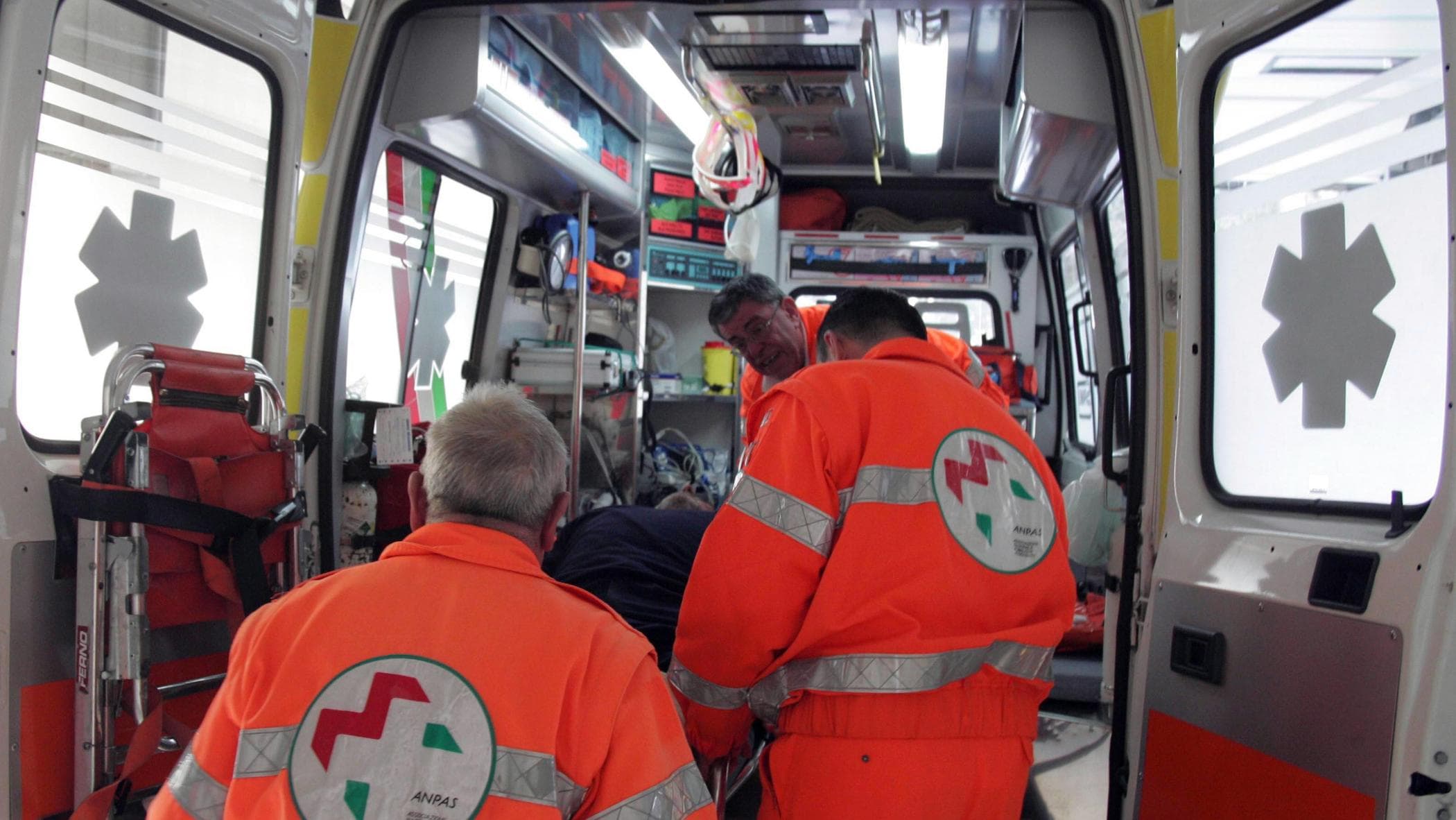
Congo's Ebola outbreak kills more than 1,000 people
The Ebola outbreak in the Democratic Republic of Congo has killed more than 1,000 people, becoming the fastest-growing Ebola outbreak on record. Oxford has launched the first human trial of a vaccine against the rare Bundibugyo virus driving the crisis.
Intelligence analysis by Llama
DRC's Ebola outbreak has claimed 1,031 confirmed deaths, making it the fastest-growing Ebola outbreak in history. Caused by the Bundibugyo virus, for which no approved vaccines exist, the crisis is outrunning response efforts, while the University of Oxford has begun the first human clinical trial of a candidate vaccine.
A dangerous germ called Ebola is making lots of people sick in a country called Congo, and more than 1,000 have died. Scientists in England are testing a brand-new medicine that might stop the germ, but the illness is spreading so fast it's hard for doctors to keep up.
Analysis
A Virus Without a Shield
The outbreak currently tearing through the Democratic Republic of Congo is unlike any Ebola crisis the world has seen, and not only because of its speed. It is driven by the Bundibugyo virus, a relatively obscure strain for which there are still no approved vaccines or treatments. According to Dr. Jean Kaseya, director-general of the Africa Centres for Disease Control and Prevention, people are dying "because we don't have vaccines, we don't have medicine, we don't have funding." That medical gap is the defining feature of this epidemic. During the 2013–2016 West Africa outbreak, which killed more than 11,000 people, the eventual deployment of the Ervebo vaccine against the Zaire strain helped bend the curve. No equivalent tool exists for Bundibugyo, and that absence is now defining the ceiling of the response.
Oxford Steps Into the Breach
The most concrete European contribution to the fight is unfolding in a Phase I clinical trial at the University of Oxford's Vaccine Group. Launched last week, the trial will test a candidate Bundibugyo vaccine in 50 healthy adults aged 18 to 55, assessing safety and immune response. As the article notes, this is the world's first human clinical trial of a vaccine targeting the Bundibugyo virus. A successful Phase I would not arrive in time to halt the current wave, but it would close a long-standing vulnerability in the global pandemic-preparedness toolkit. Oxford's rapid pivot reflects how quickly the scientific establishment has had to mobilise once the scale of the Congolese outbreak became undeniable.
Outrunning the Response
The structural problem is not just the virus but the geography and timing of its spread. Health officials have warned that roughly 80% of new cases are emerging outside known chains of transmission, meaning the outbreak is moving through communities faster than contact tracers can follow. Trish Newport of Doctors Without Borders told the article that "there's never been an Ebola outbreak that started with so many cases because it was so late to be identified," adding that "it's like the outbreak is outrunning the response." US CDC modelling has projected a worst-case scenario approaching the scale of the 2014–2016 West Africa epidemic, though Dr. Jean Nachega of the University of Pittsburgh cautioned the challenges, while "huge," may not reach that ceiling. With 2,473 recorded cases, at least 737 patients in isolation, and a real toll that the WHO estimates could be two to four times higher, the margin for error is shrinking by the week.
Key points
- More than 1,031 deaths have been confirmed in the DRC Ebola outbreak, declared on 15 May and now the fastest-growing on record
- The outbreak is driven by the Bundibugyo virus, for which no approved vaccines or treatments exist
- Oxford's Vaccine Group has launched the world's first human clinical trial of a Bundibugyo vaccine, enrolling 50 healthy adults
- About 80% of new cases are appearing outside known transmission chains, signalling the outbreak is outpacing contact tracing
- WHO estimates the true scale of the outbreak could be two to four times larger than official figures indicate, with significant spillover risk into South Sudan
If the Oxford Phase I trial produces a safe and immunogenic candidate, it could be scaled into a deployable vaccine within months, finally giving responders a tool against Bundibugyo. Combined with stepped-up efforts in Ituri province and four other affected provinces, an effective vaccination campaign could eventually break the chain of transmission that has so far eluded contact tracers.
With 80% of new cases emerging outside known transmission chains and no approved vaccine for Bundibugyo, the outbreak could continue to accelerate beyond the reach of the current response. If funding shortfalls persist and the virus spills across borders — WHO has already warned of significant risk into South Sudan — the crisis could approach the scale of the 2014–2016 West Africa epidemic that killed more than 11,000 people.