Considering a Level 2 EV Charger? How to Know If You Need One
Considering a Level 2 EV charger? Here's what to consider based on your EV and usage.
Intelligence analysis by Qwen 2.5 (3B)
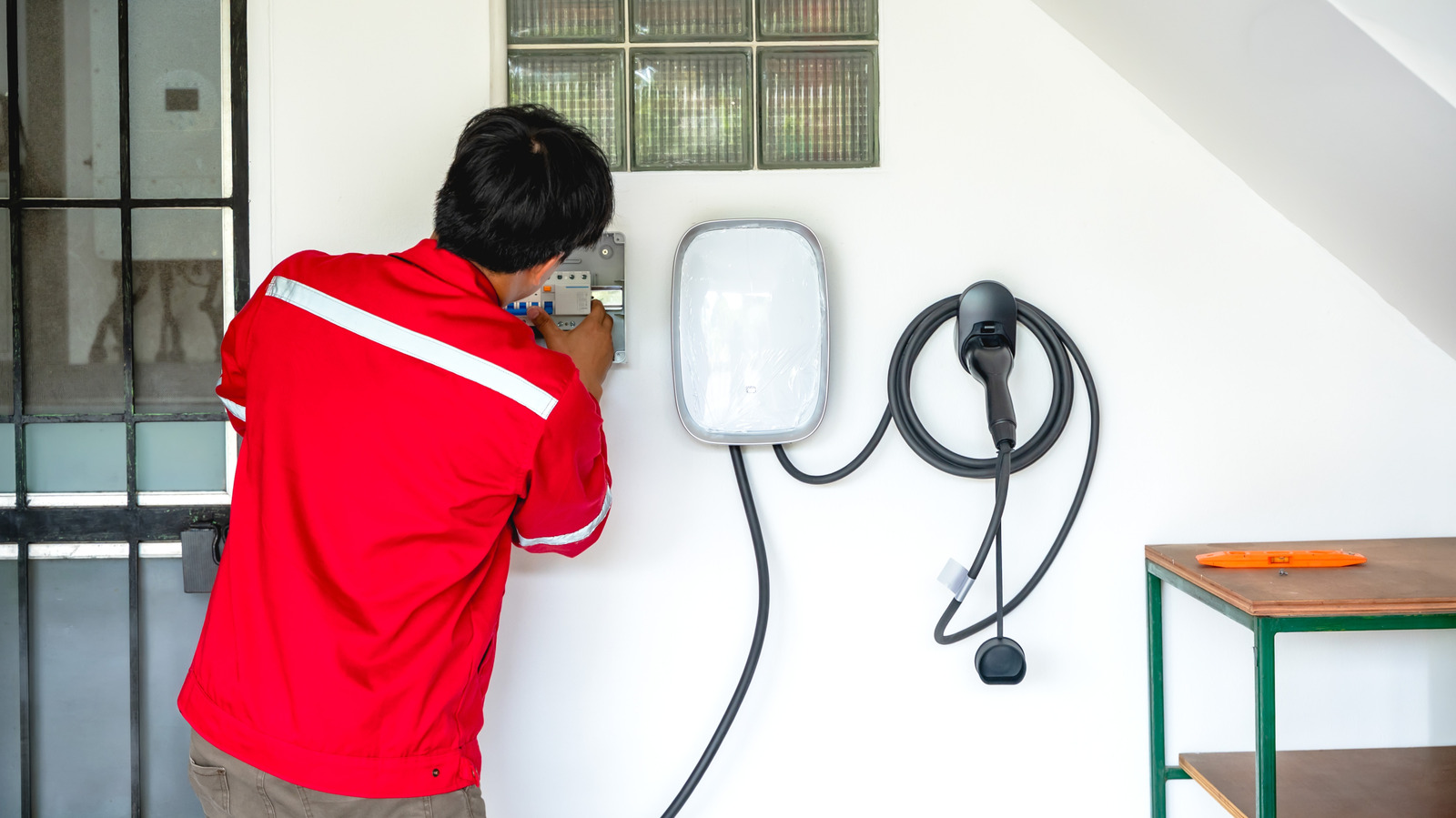
Deciding if you need a Level 2 EV charger depends on your car's battery size and daily usage.
If your car's battery is small and you use it for short trips, you might not need a Level 2 charger. But if your car has a big battery and you use it for longer trips, you might need a Level 2 charger to avoid expensive public chargers.
Analysis
Battery Capacity and Usage
Understanding your EV's battery capacity and daily usage is crucial. For example, a small EV like the Fiat 500e with a 38 kWh battery might not need a Level 2 charger, while a larger EV like the Tesla Model 3 with a 79 kWh battery might benefit from one.
Maximum Charging Speed
Most PHEVs support relatively low charging speeds, while battery EVs can vary. For instance, the Nissan Ariya, MG4, and Kia e-Nero are limited to 7.4kW, while most models including the Tesla Model 3 and Model Y support up to 11 kW.
Usage Patterns
If you use your EV for short commutes or have a long daily commute, a Level 2 charger might be necessary to avoid expensive public chargers. For example, a Tesla Model 3 with a 79 kWh battery might need a Level 2 charger if you use 40% of its range daily, as it would take 18 hours to fully recharge at home.
Level 2 Charger Options
Level 2 chargers can output between 3.3kW and 11.5kW on residential systems. A 16-amp, 240 volt model doubles your charging speeds to 3.5 kW, reducing charging times by half compared to regular household circuits. For more juice, a 32-amp, 240-volt charger boosts your charge rate to 7.4 kW, four times more than 120V AC power. A 48-amp system that supplies up to 11.5 kWh is also available, but make sure your EV supports such a high rate.
Key points
- Consider your EV's battery size and daily usage
- Understand the maximum charging speed of your EV
- Think about your usage patterns and whether you rely on public chargers
If you decide to install a Level 2 charger, you'll save money on electricity and reduce your carbon footprint.
If your car's battery is too small or you use it too much, a Level 2 charger might not be necessary and could be a waste of money.