Constitutional Complaint Regarding 'Heating Law' Consultation Time Rejected
Germany's Federal Constitutional Court has ruled that the consultation period for the Building Energy Act in summer 2023 was sufficient, rejecting a complaint by CDU politician Thomas Heilmann.
Intelligence analysis by Gemini 2.5 Flash
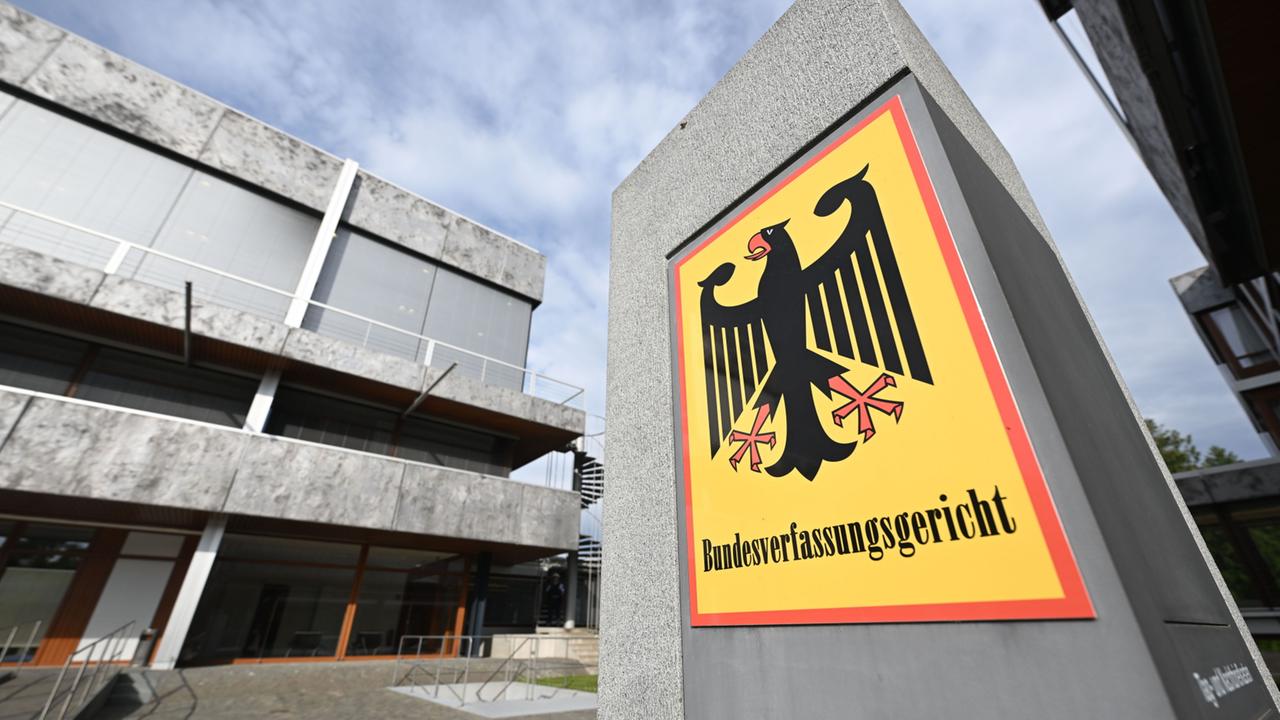
The German Federal Constitutional Court dismissed a complaint by former CDU MP Thomas Heilmann, who argued that the legislative process for the controversial 'Heating Law' (Building Energy Act) in 2023 was too rushed, violating parliamentary rights. The court found the consultation time adequate, overturning an earlier urgent injunction that had temporarily halted the law's passage.
Imagine a big school project where the teachers (the government) wanted to finish a new rule (the Heating Law) very quickly. One student (Thomas Heilmann) said it was too fast and he didn't have enough time to read everything. The principal (the Constitutional Court) first agreed to slow it down, but after looking at it more carefully, decided that the student actually had enough time to understand and discuss the rule, even if it felt fast.
Analysis
The Legal Challenge and Initial Success
Former CDU Member of Parliament Thomas Heilmann initiated a constitutional complaint against the legislative process surrounding Germany's Building Energy Act, colloquially known as the 'Heating Law,' in the summer of 2023. Heilmann contended that the rapid pace of the legislative procedure infringed upon his rights as a parliamentarian, specifically citing insufficient time for deliberation and information processing. His initial urgent application to the Federal Constitutional Court proved successful in July 2023, leading to a temporary halt in the law's planned adoption just days before its scheduled vote. This injunction underscored the court's initial concern regarding the potential for an overly hasty process to undermine parliamentary scrutiny.
Court's Rationale on Legislative Pace
In the subsequent main proceedings, the Federal Constitutional Court ultimately rejected Heilmann's complaint. Presiding judge Ann-Katrin Kaufhold stated that Heilmann failed to provide reliable evidence that information had been withheld from him or that the government had not shared information available to other MPs. The court emphasized that the Basic Law does not permit general statements about the speed of legislative procedures, clarifying that while the constitution sets limits on accelerating legislation, it does not impose a specific 'speed limit.' The crucial factor for constitutional assessment, according to the court, is whether a genuine exchange of arguments and counter-arguments was possible during the process. The court concluded that the original bill and a drafting aid provided a suitable basis for discussion, leading to a unanimous decision that Heilmann's application was inadmissible.
Implications for Future German Legislation
The ruling provides significant clarity regarding the procedural requirements for legislative processes in Germany, particularly concerning the pace at which laws can be enacted. It suggests that while parliamentarians must have the opportunity to inform themselves and process information, the court will not impose arbitrary time limits as long as the fundamental exchange of arguments is ensured. This decision could influence how future governments approach the timing of complex or contentious legislation, potentially allowing for faster passage of reforms, provided procedural fairness is maintained. The 'Heating Law' itself, despite the initial delay and additional two months of consultation, saw no further changes before its September 2023 passage, though it was later replaced by a softened version under a new coalition, highlighting the political complexities surrounding climate policy.
Key points
- Germany's Federal Constitutional Court rejected a complaint regarding the consultation time for the 2023 Building Energy Act.
- Former CDU MP Thomas Heilmann argued his parliamentary rights were violated by an overly hasty legislative process.
- The court ruled that the consultation period was sufficient, emphasizing that the constitution does not impose a 'speed limit' on legislation.
- The key factor for constitutional assessment is whether an exchange of arguments and counter-arguments was possible.
- An earlier urgent injunction had temporarily halted the law's passage in July 2023.
- The Building Energy Act was eventually passed in September 2023 but later replaced by a softened version under a new coalition.
The ruling provides legal clarity on legislative timelines, potentially streamlining future parliamentary processes for important reforms without fear of immediate procedural challenges, as long as a proper exchange of arguments is ensured.
While the court rejected the complaint, the initial injunction and the subsequent delay of the 'Heating Law' highlight the potential for procedural challenges to slow down critical legislation, especially controversial climate policies, even if ultimately unsuccessful. The article also mentions the subsequent softening of the law, which could be seen as a negative outcome for climate goals.