Could a cyclosporiasis outbreak happen in Singapore?
Singapore is vulnerable to a cyclosporiasis outbreak due to its high dependence on imported food, but strict food inspections and parasite control reduce the risk. No local cases have been reported, and good hygiene is advised to prevent infection.
Intelligence analysis by Llama
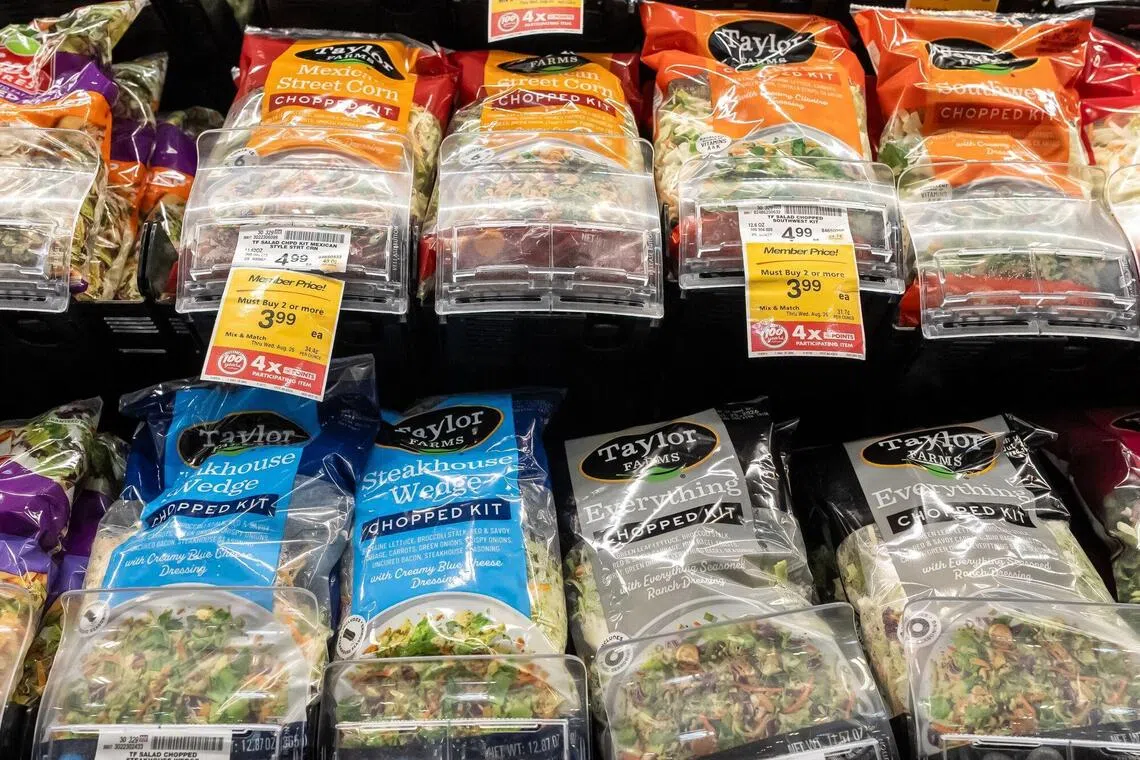
A cyclosporiasis outbreak in the US has raised concerns about the possibility of a similar outbreak in Singapore. The country's high dependence on imported food makes it vulnerable, but strict food inspections and parasite control reduce the risk. Good hygiene practices can help prevent infection.
Cyclosporiasis is a type of food poisoning caused by a tiny parasite. It's usually found in fresh produce like lettuce and can make people feel sick with diarrhoea, fatigue, and fever. Singapore is vulnerable to this type of outbreak because it imports a lot of food from other countries, but the country has strict food inspections and parasite control to reduce the risk. To stay safe, people should wash their hands and rinse fresh produce under running water.
Analysis
What is Cyclosporiasis?
Cyclosporiasis is an intestinal infection caused by the parasite Cyclospora cayetanensis. The disease's main symptom is explosive, watery diarrhoea, while other symptoms include fatigue, low-grade fever, and nausea. In many cases, people with cyclosporiasis may have mild or no symptoms, though severe disease or even death can occur, particularly in infants and the immunocompromised.
Could an Outbreak Happen in Singapore?
Although cyclosporiasis is endemic in many tropical and subtropical regions, including parts of South-east Asia, it is uncommon in Singapore. Gastroenterologist Benjamin Yip said he had seen 'less than a handful of cases' of the disease over his career. However, the medical director of Alpha Digestive and Liver Centre did not rule out such incidents happening here, pointing to recent gastroenteritis incidents.
Why is Singapore Vulnerable?
Singapore is particularly vulnerable given its dependence on imported foodstuff, which make up some 90 per cent of the country's food supply. The Communicable Diseases Agency reported in June that central kitchens, food caterers, and restaurants were responsible for most food poisoning outbreaks in 2024 and 2025, with 55 such establishments involved in cases over this period.
What Can be Done to Prevent an Outbreak?
Consumers can protect themselves from the illness, as well as other food-borne diseases by practising good food hygiene. This includes washing their hands thoroughly, rinsing fresh produce under running water, checking the source of fresh produce for salad preparation, and cooking vegetables when possible.
Key points
- Cyclosporiasis is an intestinal infection caused by the parasite Cyclospora cayetanensis.
- The disease's main symptom is explosive, watery diarrhoea, while other symptoms include fatigue, low-grade fever, and nausea.
- Singapore is vulnerable to a cyclosporiasis outbreak due to its high dependence on imported food.
- Strict food inspections and parasite control reduce the risk of an outbreak in Singapore.
- Good hygiene practices can help prevent infection.
The risk of a cyclosporiasis outbreak in Singapore is low due to the country's strict food inspections and parasite control. Additionally, the country's large number of import sources means that any potential outbreak would likely be insignificant. Consumers can also protect themselves by practising good food hygiene.
A cyclosporiasis outbreak in Singapore could have serious consequences, particularly for vulnerable populations such as infants and the immunocompromised. If an outbreak were to occur, it could lead to a significant number of cases and potentially even deaths.