Counting down the days: State of Crypto
The Senate is going on its summer break in a week, leaving next to no time left to sort out its remaining priorities in August. The fate of Clarity is one of those priorities.
Intelligence analysis by Llama
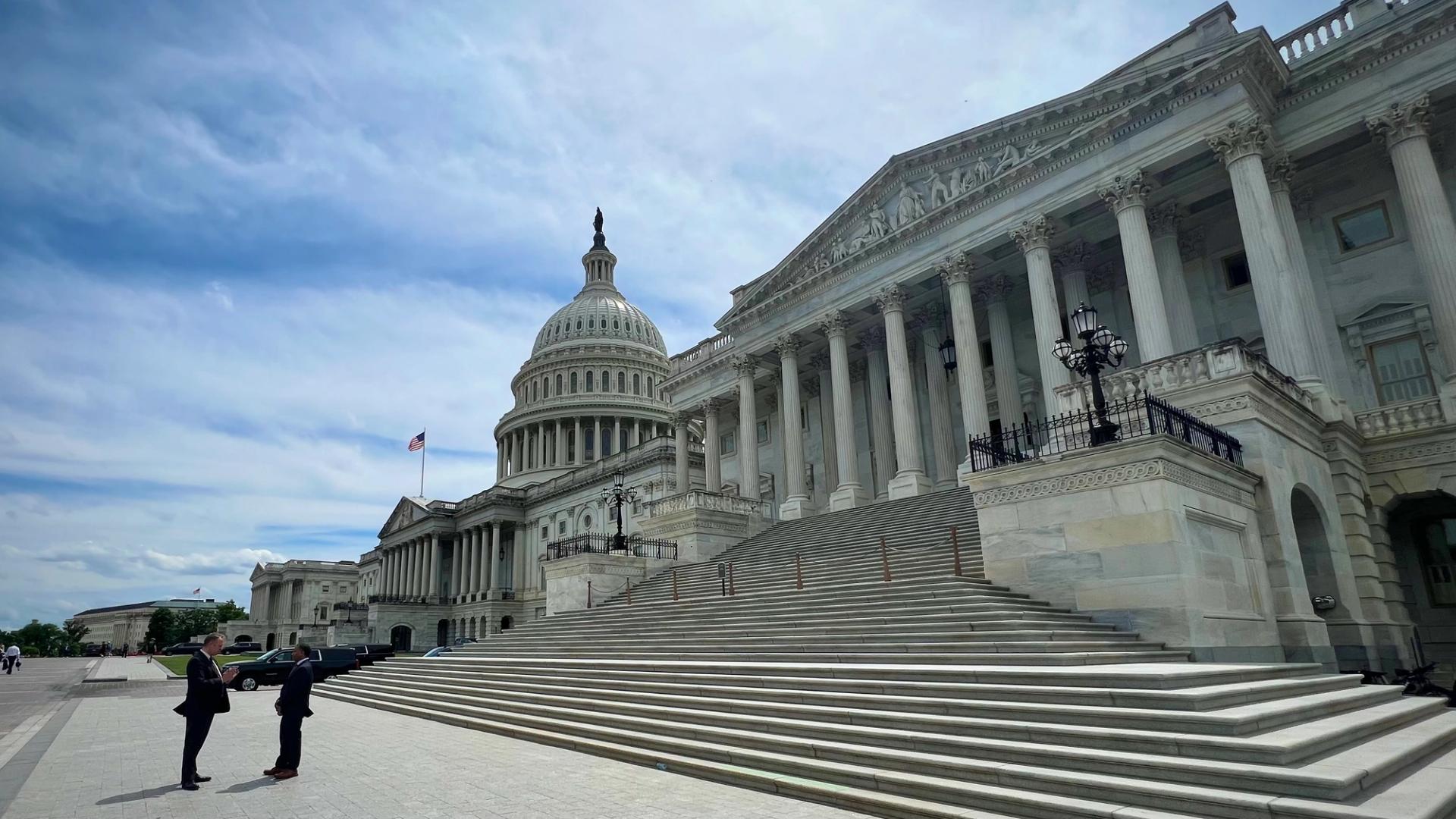
The Senate has not filed a motion to proceed for the Digital Asset Market Clarity Act, the first required step in advancing the bill through the Senate. Time is running short for the Clarity Act to make it through the Senate in 2026.
Imagine you're playing a game where the rules keep changing. That's what's happening with the crypto market in the US. The Senate needs to pass a law called the Clarity Act to create a set of rules for the market. This will help investors feel more confident and create jobs. But the Senate is running out of time, and it's not clear if they'll pass the law before they go on summer break.
Analysis
A $60B Vote of Confidence
The Senate's inaction on the Clarity Act is a significant concern for the crypto industry. The bill's fate is uncertain, and the industry is urging the Senate to take action before the summer break. The Clarity Act aims to provide a regulatory framework for the crypto market, which is currently unregulated in the US. The bill's passage will determine the future of the crypto market in the US, and its absence will leave the industry in limbo.
Why Cursor?
The industry is pointing to the ramifications for the US should Clarity not pass. The Crypto Council for Innovation has published a report stating that some 80% of crypto developers operate outside the US, and 88% of market share is offshore from the US. This highlights the urgency of the situation and the need for a regulatory framework.
The Road Ahead
The Senate's decision to adjourn without scheduling a procedural vote on the Clarity Act is a setback for the industry. However, the industry is not giving up. The Crypto Council for Innovation is urging the Senate to take action and pass the Clarity Act before the summer break. The industry is also pointing to the benefits of a regulatory framework, including increased investor confidence and job creation.
Key points
- The Senate has not filed a motion to proceed for the Digital Asset Market Clarity Act.
- Time is running short for the Clarity Act to make it through the Senate in 2026.
- The industry is urging the Senate to take action and pass the Clarity Act before the summer break.
- The Clarity Act aims to provide a regulatory framework for the crypto market in the US.
- The bill's passage will determine the future of the crypto market in the US.
If the Senate passes the Clarity Act, it could lead to increased investor confidence and job creation in the crypto industry. The bill's passage would also provide a clear regulatory framework for the market, which would help to reduce uncertainty and attract more investment.
If the Senate fails to pass the Clarity Act, it could lead to a decline in investor confidence and a decrease in job creation in the crypto industry. The lack of a clear regulatory framework would also create uncertainty and make it harder for the industry to attract investment.
Market signals
- BTC Escalation drives safe-haven demand for Bitcoin, per the article's framing of investor reaction.
AI-generated analysis of potential market relevance. Not financial advice.