‘Crabs, silkworms’: Nagaland minister says local fare not for ‘weak-hearted’
Nagaland Tourism Minister Temjen Imna Along highlighted the state's distinctive cuisine, including crabs and silkworms, stating it's not for the 'weak-hearted' but an integral part of Naga culture.
Intelligence analysis by Gemini 2.5 Flash
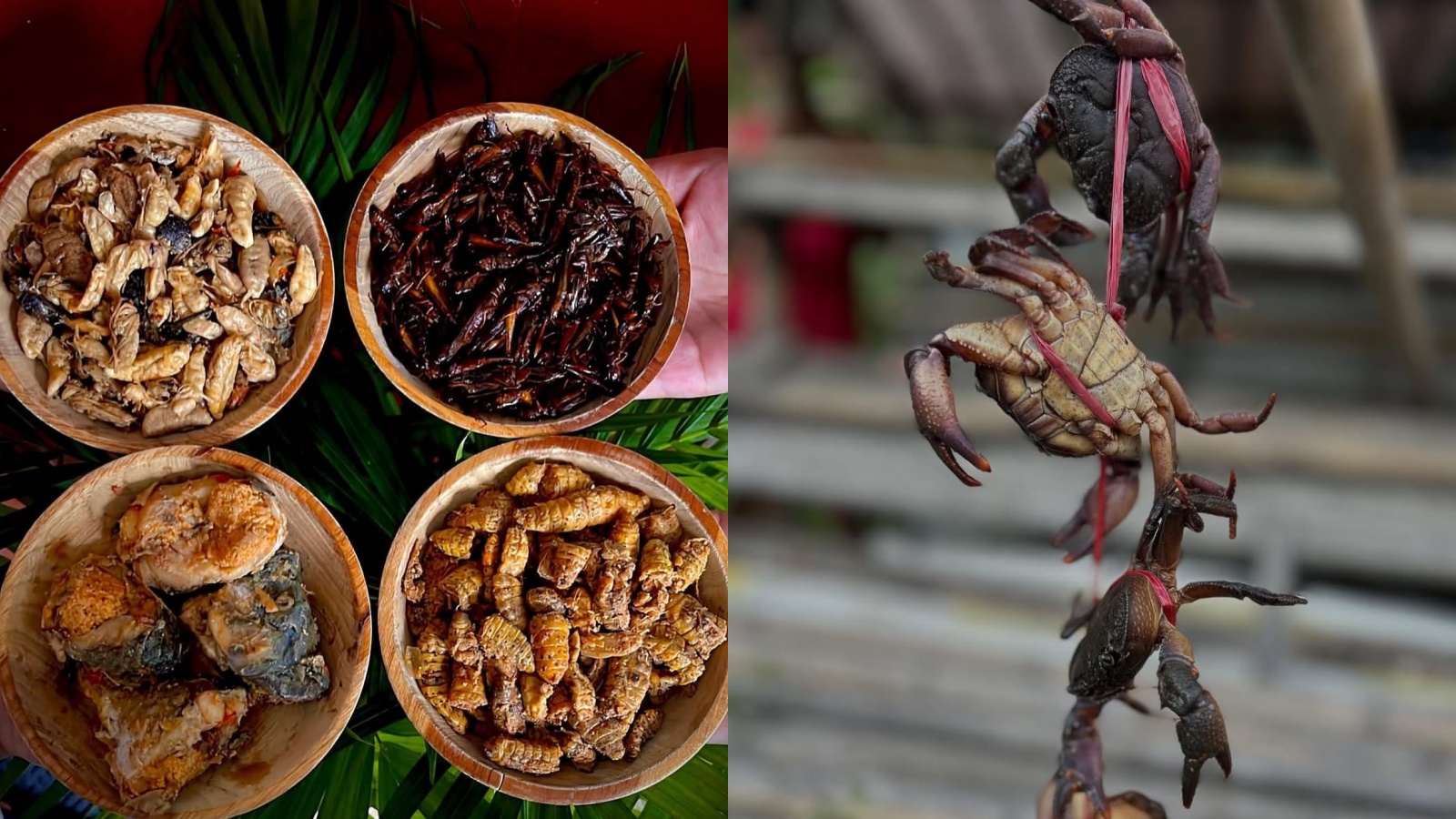
Nagaland's Tourism Minister, Temjen Imna Along, used social media to showcase the state's unique and often unconventional food, emphasizing its generational importance. His post, featuring dishes like silkworms and crabs, invited people to experience Nagaland's gastronomic variety, sparking diverse reactions online.
Imagine your friend's family has a super special way of cooking that uses ingredients you've never seen before, like maybe some unique bugs or plants. The minister from Nagaland is like that friend, proudly showing off his state's traditional foods, saying they might seem a bit wild to others but are a big part of their history and culture, inviting everyone to be brave and try them!
Analysis
Nagaland's Tourism Minister, Temjen Imna Along, has strategically leveraged social media to spotlight the state's distinctive culinary heritage, challenging conventional perceptions of food. His recent post on X, featuring dishes like crabs and silkworms, was framed as a gastronomic experience "not for the weak-hearted," a bold invitation to explore the region's unique flavors. This initiative goes beyond mere promotion; it aims to foster a deeper appreciation for Naga culture by presenting its food as an integral, generational tradition rather than just an exotic curiosity. The minister's approach highlights a growing trend among Indian states to use digital platforms to showcase their cultural richness and attract tourism, positioning local traditions as authentic experiences for adventurous travelers.
Temjen Imna Along
Temjen Imna Along, as Nagaland's Tourism Minister, has emerged as a prominent figure in promoting the state's unique identity, particularly through his engaging presence on social media. His posts often blend humor with cultural pride, making him an effective ambassador for Nagaland. By directly addressing the "wild" appearance of some Naga dishes, he preemptively tackles potential apprehension from outsiders, reframing it as an opportunity for bravery and cultural immersion. This direct and candid communication style helps to demystify Naga cuisine and encourages a more open-minded approach from potential visitors.
The minister's consistent efforts to highlight local traditions are evident in his previous posts, such as sharing a video recipe for Hansuli, an organic vegetable stew. These actions demonstrate a concerted strategy to not only attract tourists but also to celebrate and preserve indigenous culinary practices. His use of phrases like "Come Hungry. Leave Braver!" encapsulates an adventurous spirit, inviting people to step out of their comfort zones and experience the authentic flavors that have sustained Naga communities for generations. This personal endorsement from a public figure lends credibility and visibility to the state's cultural offerings.
Naga Cuisine
Naga cuisine is characterized by its reliance on locally sourced ingredients, traditional cooking methods, and a bold flavor profile that often incorporates fermented products and smoked meats. The article specifically mentions crabs and silkworms as examples of the unconventional yet integral components of the Naga diet. These ingredients, while perhaps surprising to those unfamiliar with the region, are deeply embedded in the food culture, reflecting the ecological diversity and historical practices of the Naga people. The emphasis on "what looks wild on the plate has been part of our food culture for generations" underscores the authenticity and historical continuity of these culinary traditions.
The distinctiveness of Naga food extends beyond its ingredients to its preparation, which often involves minimal oil and a focus on fresh, organic produce. This approach not only contributes to unique flavors but also aligns with contemporary interests in healthy and sustainable eating. The traditional thali, a platter featuring a variety of dishes, exemplifies the comprehensive nature of Naga meals, offering a holistic taste of the region's gastronomic landscape. This culinary heritage represents a significant cultural asset, offering a unique experience that differentiates Nagaland from other tourist destinations.
Social Media
The minister's post on X quickly garnered significant attention, illustrating the power of social media as a platform for cultural exchange and public discourse. The viral nature of the post generated a diverse range of reactions, from enthusiastic endorsements of its nutritional value to expressions of aversion from those unaccustomed to such fare. This immediate and varied feedback highlights the dual challenge and opportunity of promoting unique cultural aspects in a globalized digital space. Social media allows for direct engagement with a broad audience, bypassing traditional media gatekeepers.
The comments section became a forum for discussing food preferences, cultural acceptance, and even entrepreneurial possibilities. One user suggested that the North-east is a "gastronomic wonderland" ripe for discovery, proposing that entrepreneurs could open curated restaurants in bigger cities. This indicates that the minister's post successfully sparked conversations about the commercial potential of Naga cuisine beyond its traditional context. The online engagement demonstrates how a single social media post can initiate a wider dialogue about regional identity, culinary diversity, and the potential for cultural tourism and economic development.
Key points
- Nagaland Tourism Minister Temjen Imna Along promoted the state's unique cuisine on X (formerly Twitter).
- He described Naga food, including crabs and silkworms, as 'not for the weak-hearted' but integral to generational culture.
- The post featured photos of Naga delicacies and a traditional thali, inviting people to 'Come Hungry. Leave Braver!'
- The social media post garnered diverse reactions, from praise for nutritional value to expressions of aversion.
- The initiative aims to highlight Nagaland's distinctive food culture and potentially boost tourism and cultural exchange.
The minister's social media campaign could significantly boost tourism to Nagaland, drawing adventurous foodies and cultural enthusiasts. This increased visibility could also create new economic opportunities for local food businesses and entrepreneurs, fostering greater appreciation for North-eastern Indian cuisine nationwide.
While aiming to promote culture, the unconventional nature of some Naga dishes might deter some potential tourists or lead to misunderstandings if not presented with sufficient context. There's a risk of cultural insensitivity or a lack of willingness from outsiders to genuinely engage with unfamiliar culinary traditions.