Crews building Trump border wall in drought-hit New Mexico ordered to stop drilling wells
Construction crews building a border wall in New Mexico were ordered to stop drilling new wells after ranchers said that pumping groundwater to produce concrete could threaten their livestock amid a severe drought.
Intelligence analysis by Llama
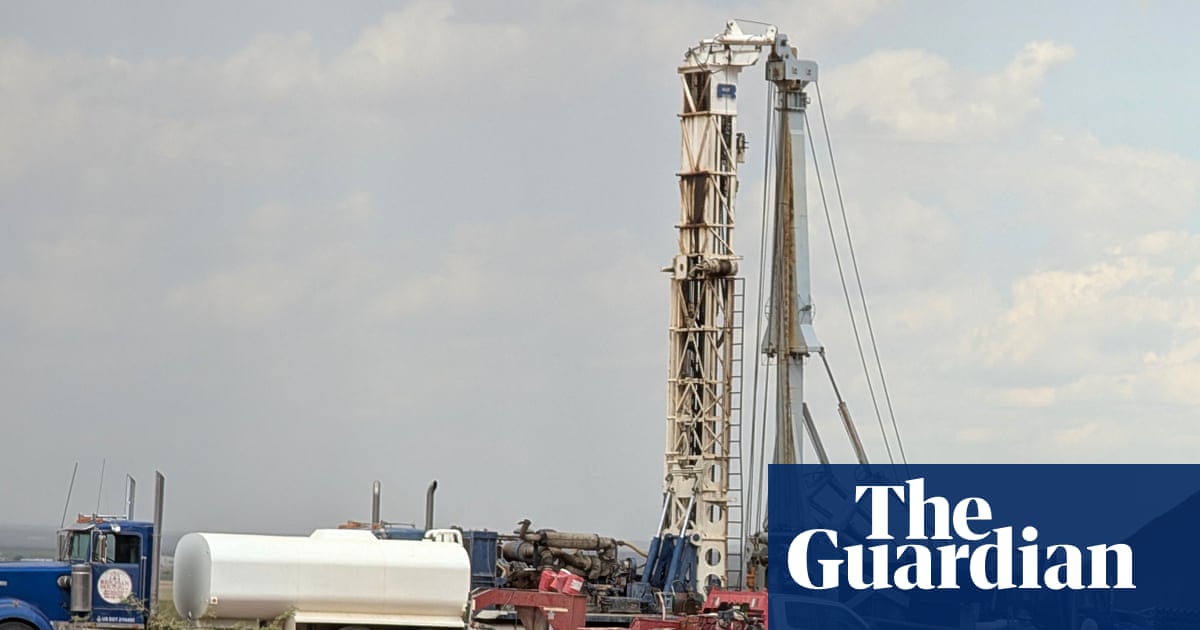
Crews building Trump's border wall in New Mexico have been ordered to stop drilling new wells after ranchers raised concerns that pumping groundwater could threaten their livestock and water supply.
Imagine you're a rancher in New Mexico, and you're worried that the construction of the border wall is going to dry up the water supply for your livestock. That's what's happening in this story, where crews building the wall have been ordered to stop drilling new wells because they're pumping too much groundwater and threatening the local water supply.
Analysis
A $60B Vote of Confidence
The construction of Trump's border wall in New Mexico has been a contentious issue, with many raising concerns about the environmental impact and the potential threat to local water supplies. The recent order to stop drilling new wells is a significant development in this story, and highlights the complexities and challenges of building a border wall in a drought-hit region.
The border wall is one of Donald Trump's highest domestic priorities, and has received over $46bn in federal funding. However, the construction process has been marred by controversy and environmental concerns. In Texas and California, residents and environmentalists have reported a wide variety of issues with construction, including the destruction of habitats and the disruption of local ecosystems.
In New Mexico, the situation is particularly dire. The state is experiencing a severe drought, and the pumping of groundwater to produce concrete for the border wall has raised concerns among local ranchers. These ranchers have been noticing unmonitored tapping of border aquifers, which threaten the water supply for those nearby. "It would put us in an immediate catastrophe and having to do something with our livestock," said Russell Johnson, a cattle rancher whose property runs along the border.
The order to stop drilling new wells is a significant development in this story, and highlights the complexities and challenges of building a border wall in a drought-hit region. It also raises questions about the long-term sustainability of the border wall, and the potential impact on local ecosystems and water supplies.
Why Cursor?
The order to stop drilling new wells is a significant development in the construction of Trump's border wall, and highlights the complexities and challenges of building a border wall in a drought-hit region. The border wall is one of Donald Trump's highest domestic priorities, and has received over $46bn in federal funding. However, the construction process has been marred by controversy and environmental concerns.
In New Mexico, the situation is particularly dire. The state is experiencing a severe drought, and the pumping of groundwater to produce concrete for the border wall has raised concerns among local ranchers. These ranchers have been noticing unmonitored tapping of border aquifers, which threaten the water supply for those nearby. "It would put us in an immediate catastrophe and having to do something with our livestock," said Russell Johnson, a cattle rancher whose property runs along the border.
The Road Ahead
The order to stop drilling new wells is a significant development in this story, and highlights the complexities and challenges of building a border wall in a drought-hit region. It also raises questions about the long-term sustainability of the border wall, and the potential impact on local ecosystems and water supplies. The construction of the border wall is a complex and contentious issue, and it remains to be seen how this development will play out in the coming weeks and months.
Key points
- Construction crews building the border wall in New Mexico have been ordered to stop drilling new wells.
- The order is a response to concerns raised by local ranchers about the potential threat to their water supply and livestock.
- The border wall is one of Donald Trump's highest domestic priorities, and has received over $46bn in federal funding.
- The construction process has been marred by controversy and environmental concerns.
- The order to stop drilling new wells is a significant development in this story, and highlights the complexities and challenges of building a border wall in a drought-hit region.
If the order to stop drilling new wells is enforced, it could lead to a more sustainable and environmentally-friendly construction process for the border wall. This could also lead to a reduction in the negative impacts on local ecosystems and water supplies.
If the order to stop drilling new wells is not enforced, it could lead to a catastrophic situation for local ranchers and their livestock. This could also lead to a long-term decline in the local water supply, and have negative impacts on the environment.