Criticism of Reform UK’s pledge to use Navy to stop small boats – politics live
Reform UK's plan to use the Royal Navy to intercept and return small boats in the Channel faces criticism for lacking substance and potential legal issues, while the party grapples with internal divisions and a donations scandal.
Intelligence analysis by Gemini 2.5 Flash
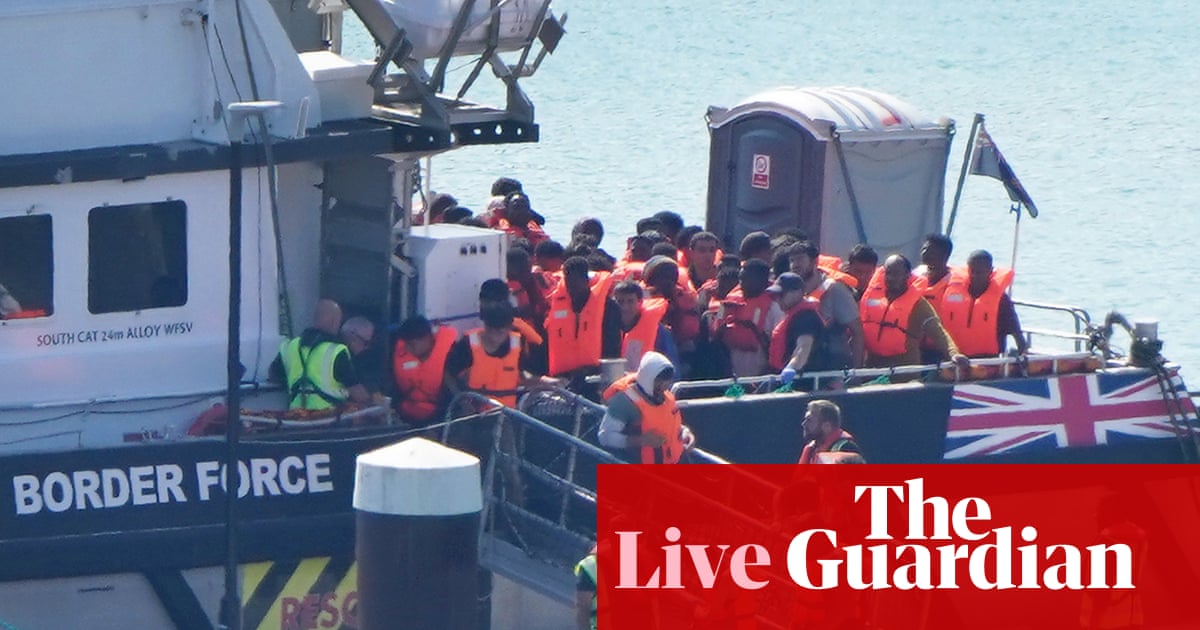
Nigel Farage's Reform UK has pledged to deploy the Royal Navy to stop small boat crossings, a proposal immediately met with skepticism from Labour and a retired naval officer who called it unsubstantial. This policy announcement comes as Farage fights a by-election amidst a donations scandal and faces a challenge from the breakaway Restore Britain party, further complicating the UK's …
Imagine some people are trying to cross a big puddle in small boats to get to a new country. A political party in that country, Reform UK, says they want to use big navy ships to stop these small boats and send them back. But other people say this plan might not work, could be against the rules, and isn't very well thought out. Meanwhile, the leader of this party is also having trouble with money scandals and another group of politicians who used to be with him are trying to team up. On top of all this, a war far away is making everything more expensive, which worries everyone in the country.
Analysis
Reform UK's "Operation Fortress" Under Scrutiny
Reform UK has unveiled a controversial plan, dubbed "operation fortress," proposing the deployment of the Royal Navy, Royal Marines, RAF, and British Army to intercept small boats in the Channel and return them to France or Belgium. This initiative aims to curb illegal immigration, a key platform for the party. However, the proposal has quickly drawn sharp criticism, with Labour dismissing it as a "desperate bid to distract from their growing sleaze scandals" and a retired Royal Navy commander, Tom Sharpe, stating it "lacks quite a lot of substance," noting that the Border Force already handles such operations. Concerns around the legality of such actions and potential breaches of international treaties, which have previously stalled similar Conservative proposals, remain a significant hurdle.
Despite a recent surge in crossings, with 752 arrivals on one day, official figures indicate a 43% decrease in small boat arrivals in 2026 compared to the previous year, and a 14% drop from 2024. This context suggests that while the issue remains prominent, the proposed policy is being introduced against a backdrop of already declining numbers. The feasibility and effectiveness of using military assets for border control, particularly given the legal and logistical complexities of returning individuals to another sovereign nation, are central to the debate surrounding Reform UK's latest pledge.
Farage's Political Battles and the Rise of Restore Britain
Nigel Farage is currently navigating a turbulent political period, fighting a by-election in Clacton after resigning his seat, a move intended to reframe his political narrative but overshadowed by a deepening donations scandal. The Guardian revealed he failed to declare a £5m gift from a crypto billionaire, Christopher Harborne, adding to the party's "sleaze scandals." Despite the controversy, Farage is expected to win comfortably, largely due to other mainstream parties declining to field candidates against him, which ironically undermines his "people versus the establishment" framing. This by-election serves as a backdrop to Reform UK's increasingly hard-right policies and rhetoric.
Further complicating Farage's position is the emergence of Restore Britain, a breakaway party positioned even further to the right, led by former Reform MP Rupert Lowe. Lowe, who was stripped of the Reform party whip last year amid bullying allegations, has extended an "olive branch" to Farage, proposing a unification of the "patriotic right." This internal fragmentation within the right-wing political spectrum comes as Labour's Andy Burnham improves his party's polling, aiming to attract some of the same voters Reform UK targets. Farage is expected to address the potential pact, his Navy policy, and his finances at an upcoming press conference, highlighting the multifaceted challenges he faces.
Broader Economic Headwinds from the Iran War
The political machinations in the UK are unfolding against a backdrop of significant economic uncertainty, largely exacerbated by the ongoing Iran war. Chancellor John Healey has issued a warning to retailers, stating the government is prepared to intervene to prevent "profiteering" as the conflict continues to drive up prices. While acknowledging a lack of "significant evidence of so-called price gouging," Healey's comments underscore governmental concern over the cost of living crisis, which has been reignited by the energy price shock stemming from the months-long Middle East conflict.
The economic outlook remains precarious, with the Bank of England recently holding UK interest rates steady but cautioning that a further escalation in the Iran war could push inflation above 4% next year. This potential inflationary surge would add considerable financial pressure on households already struggling with rising costs. A new report further warns that the UK economy could face a recession next year if the crucial Strait of Hormuz remains closed into 2027 due to a prolonged conflict. These global geopolitical events are casting a long shadow over the UK's domestic political and economic stability, making the context for Reform UK's policy announcements particularly challenging.
Key points
- Reform UK proposes using the Royal Navy to intercept and return small boats in the Channel under "operation fortress."
- The plan faces criticism from Labour and a retired naval officer for lacking substance and potential legal issues.
- Nigel Farage is fighting a by-election amidst a donations scandal and faces a challenge from the breakaway Restore Britain party.
- Small boat crossings in 2026 are down 43% compared to last year, despite a recent busy day.
- The UK economy faces significant risks from the Iran war, including potential inflation above 4% and a recession if the Strait of Hormuz remains closed.
Reform UK's plan to use the Navy could face significant legal challenges and prove impractical, leading to further political gridlock and public disillusionment with immigration policy. The ongoing internal strife within the right-wing political spectrum, coupled with Farage's donations scandal, could further destabilize the party and fragment the opposition. Economically, the escalating Iran war poses a severe risk of prolonged inflation and recession for the UK, intensifying the cost of living crisis and undermining overall stability.