Crypto Home Invasions Became Top Wrench Attack in H1 2026: CertiK
Crypto-related home invasions surged in the first half of 2026, becoming the most common 'wrench attack' method, with France accounting for nearly two-thirds of global incidents, according to CertiK.
Intelligence analysis by Gemini 2.5 Flash
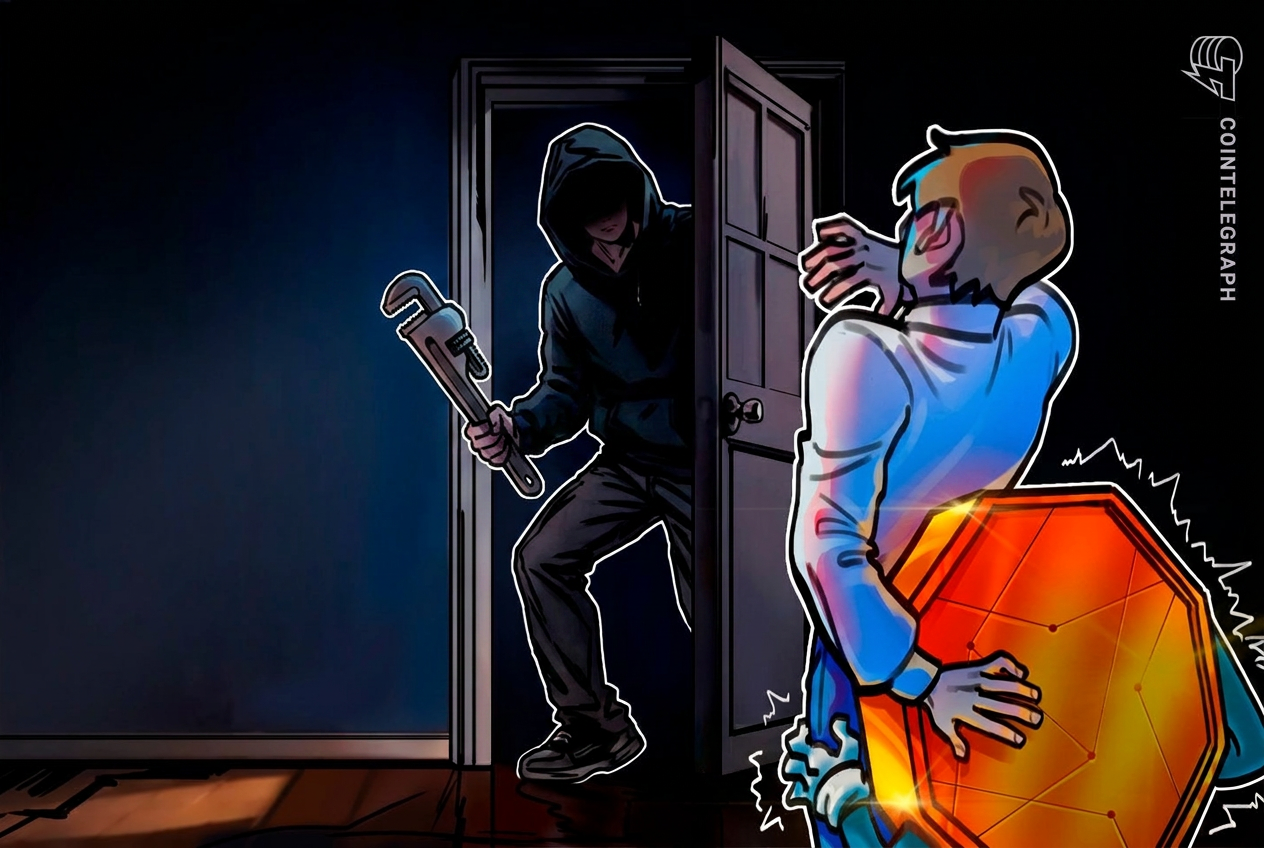
A new report from blockchain security firm CertiK reveals a dramatic increase in physical coercion tactics, such as home invasions and kidnappings, targeting crypto holders. This shift indicates criminals are bypassing digital defenses to directly threaten individuals and their families, leading to a significant rise in financial exposure.
Imagine you have a special digital piggy bank, and usually, bad guys try to sneak into your computer to steal from it. But now, some bad guys are actually showing up at people's houses, making them open their digital piggy banks by force. This is happening a lot more, especially in places like France, and it's making people lose a lot of money, showing that keeping your digital money safe isn't just about computers anymore, but also about being safe at home.
Analysis
The Alarming Rise of Physical Coercion
The first half of 2026 witnessed a concerning escalation in physical attacks targeting cryptocurrency holders, a phenomenon dubbed 'wrench attacks' by blockchain security firm CertiK. Home invasions, in particular, saw a dramatic increase, rising from just one publicly reported incident in H1 2025 to 20 in H1 2026. This surge highlights a strategic shift by criminals, who are increasingly bypassing complex digital safeguards to directly coerce crypto owners and their families into transferring assets.
CertiK's data indicates a 33.3% overall increase in verified wrench attacks, from 39 to 52 incidents year-over-year. The financial exposure linked to these attacks also skyrocketed, reaching approximately $124.1 million in H1 2026, a substantial jump from $10.5 million in the previous year. This figure encompasses not only confirmed thefts but also ransom demands, victim transfers, and even failed attempts, underscoring the severe financial and personal risks involved.
France's Unfortunate Prominence
Europe emerged as a hotspot for these physical crypto attacks, accounting for 39 of the 52 verified incidents. Within Europe, France stood out dramatically, responsible for 33 incidents, or nearly two-thirds of the global total. CertiK suggests this concentration may be due to France's more visible crypto ecosystem, potentially coupled with data breaches that link individuals' identities and home addresses to perceived crypto wealth.
French authorities have also acknowledged the severity of the issue, with Interior Minister Laurent Nuñez reporting 77 crypto-linked kidnappings, extortion cases, or attempted extortion cases in H1 2026, up from 45 in all of 2025. In response, France has launched a dedicated prevention platform and a rapid-alert system for crypto holders, leading to 200 arrests. This proactive governmental response indicates the scale of the problem and the urgent need for effective countermeasures.
Rethinking Crypto Security
This alarming trend of physical coercion directly challenges the long-standing advice of self-custody, where individuals hold their own private keys. While self-custody offers protection against digital hacks and centralized exchange failures, it leaves individuals vulnerable to physical threats if their crypto wealth becomes publicly known. The article underscores that criminals are now targeting the weakest link: the human element.
CertiK recommends advanced security measures to mitigate these risks. These include implementing multisignature (multisig) or multiparty computation (MPC) arrangements, which require multiple approvals for transactions. Additionally, withdrawal delays and spending limits can provide a crucial window to react to coercion. Geographically separated signers are also advised, ensuring that no single threatened individual can immediately release all available assets, thereby adding layers of physical and logistical security to digital holdings.
Key points
- Crypto home invasions increased from 1 in H1 2025 to 20 in H1 2026, becoming the most common 'wrench attack'.
- CertiK verified 52 wrench attacks globally in H1 2026, a 33.3% increase from the previous year.
- Financial exposure from these attacks reached approximately $124.1 million, up from $10.5 million.
- France accounted for 33 of the 52 verified incidents, making it a primary hotspot for physical crypto coercion.
- CertiK recommends multisignature arrangements, withdrawal delays, spending limits, and geographically separated signers to enhance security.
The proactive measures taken by French authorities, including a dedicated prevention platform and rapid-alert system, alongside CertiK's security recommendations, suggest that efforts are underway to combat this escalating threat. Increased awareness and adoption of advanced security protocols like multisignature arrangements could help protect crypto holders from physical coercion.
The significant rise in crypto-related home invasions and kidnappings highlights a dangerous evolution in criminal tactics, posing a direct physical threat to crypto holders and their families. This trend challenges the fundamental security principles of self-custody, potentially deterring individuals from holding substantial crypto assets if physical safety cannot be guaranteed.