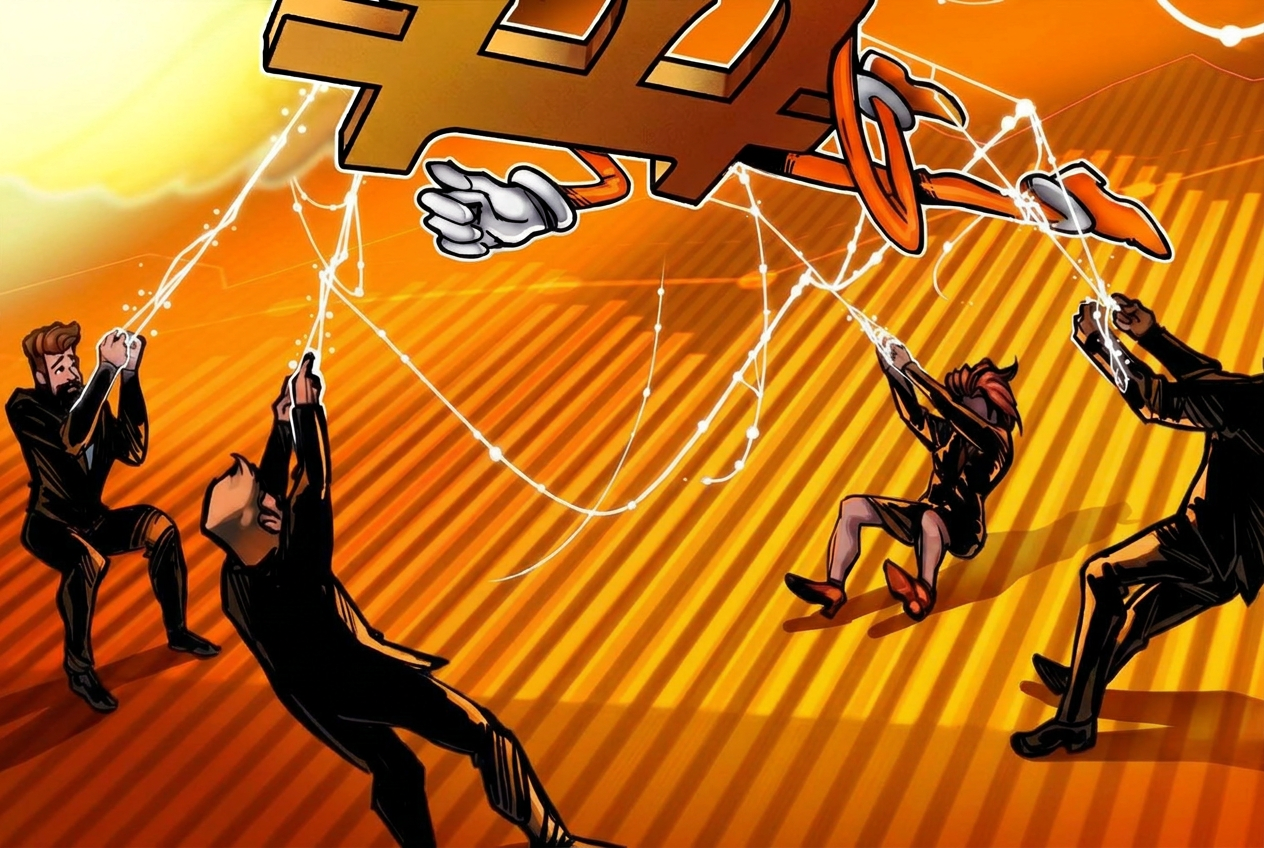
Crypto is going through a massive dot-com style shakeout as over 100 projects fold in 2026
The crypto industry is undergoing a significant dot-com style shakeout in 2026, with over 100 projects folding due to altcoin price drops, $1.1 billion lost to exploits, and drying venture capital. This consolidation is weeding out unsustainable startups, favoring protoco…
Intelligence analysis by Gemini 2.5 Flash

The crypto market is experiencing a major correction, likened to the dot-com bust, as numerous projects, particularly in crowded sectors like layer-2s, fail. This shakeout is driven by declining altcoin values, security breaches, and a more cautious investment landscape, forcing a shift from speculative token-based models to sustainable, revenue-generating operations.
Imagine a big toy store where lots of new toy companies opened, but many didn't sell enough toys. Now, only the companies making popular toys that people actually buy are staying open. The crypto world is like that, with many digital projects closing down because they didn't have a real way to make money, leaving only the strong ones behind.
Analysis
The crypto industry is currently undergoing a significant period of consolidation, often compared to the dot-com bust of the early 2000s. This shakeout is characterized by the failure of numerous projects that lacked sustainable business models, relying instead on speculative token valuations and easy access to capital. The current environment, marked by declining altcoin prices and a more discerning venture capital landscape, is forcing a fundamental re-evaluation of what constitutes a viable crypto project.
Over 100 Projects
In 2026 alone, more than 100 crypto projects have either ceased operations, declared bankruptcy, or become inactive, according to data from RootData. This wave of closures is accelerating, with four major firms—BitMEX, BitMart, Movement Labs, and Storj Labs—announcing their exits within a single week in late July. The impact is widespread, affecting various segments of the industry, including exchanges, wallets, DeFi lending protocols, NFT marketplaces, and even entire layer-1 blockchains, such as the Polkadot parachain Moonbeam.
This widespread failure is not attributed to a single point of contagion, unlike the 2022 collapses of Terra, Celsius, and FTX, which were driven by fraud and interconnected leverage. Instead, the current shakeout is an industry-wide reckoning, unwinding the optimism that characterized the market following the perceived crypto-friendly political shifts in early 2025. The sheer volume of failures underscores a systemic issue within the industry, where many projects were built on shaky foundations.
Ethereum's Layer-2 Ecosystem
One particularly affected area is Ethereum's layer-2 ecosystem, which experienced explosive growth in 2023 due to technological advancements that reduced transaction costs and simplified chain launches. These networks were designed to process transactions off-chain, bundling them for cheaper and faster execution while leveraging Ethereum's security. However, the ease of launching new chains led to an overcrowded market with little differentiation among general-purpose layer-2s.
Experts like Ben Fisch, CEO of Espresso Systems, note that there were simply too many general-purpose layer-2s, creating an unsustainable competitive landscape. This has led to a consolidation phase within this specific sector, rather than a broader problem with layer-2 technology itself. Industry leaders, including Marek Olszewski of Celo, argue that this consolidation is a sign of maturation across all of crypto, from DeFi protocols to infrastructure providers, with only projects demonstrating real utility and user adoption surviving.
The Token-as-Revenue Model
A primary driver behind many of these failures is the breakdown of the 'token-as-revenue' model. Many projects funded their operations—paying engineers, subsidizing liquidity, and covering security audits—using their native tokens. This model was sustainable only as long as the tokens maintained their dollar value. As altcoin prices plummeted by 70% to 90%, these token-denominated treasuries were rapidly drained, making it impossible for projects to cover operational costs.
This financial strain, coupled with significant losses from exploits—over $1.1 billion in the first half of 2026 alone—has forced immediate bankruptcies for many protocols. The market is now shifting away from speculative token distribution towards proven business models that generate actual fees in stablecoins or cash. Surviving projects, such as Aave, Hyperliquid, and Ether.fi, exemplify this new paradigm, demonstrating that long-term viability in crypto requires real cash flow and a clear problem statement, mirroring patterns seen in other maturing technology industries like the internet bubble.
Key points
- Over 100 crypto projects have shut down or gone dark in 2026, accelerating the industry's consolidation.
- The shakeout is driven by altcoin price drops (70-90%), over $1.1 billion lost to exploits, and dwindling venture capital.
- Crowded sectors like Ethereum's layer-2 networks are experiencing significant consolidation due to lack of differentiation.
- The 'token-as-revenue' model has proven unsustainable as token values decline, forcing a shift to real cash flow.
- Surviving projects are those with proven business models that charge fees in stablecoins or cash, indicating market maturation.
This shakeout is seen as a necessary, albeit painful, step towards a more mature and sustainable crypto ecosystem. The consolidation is expected to weed out unsustainable projects, leaving behind those with robust business models and genuine utility, ultimately strengthening the industry in the long run.
The immediate downside includes significant financial losses for investors in failed projects and the abandonment of unmaintained 'zombie contracts' on-chain. The accelerated pace of closures and the drying up of venture capital could lead to further short-term instability and a prolonged period of industry contraction.