Crypto Kiosk Scams Cost Texans $57M as Lawmakers Weigh a Ban
Texans reported $56.8 million in losses to crypto kiosk scams in 2025, the highest in the nation, prompting state lawmakers to consider a ban on these machines. Nationally, reported losses from such scams surged 58% to $389 million.
Intelligence analysis by Gemini 2.5 Flash
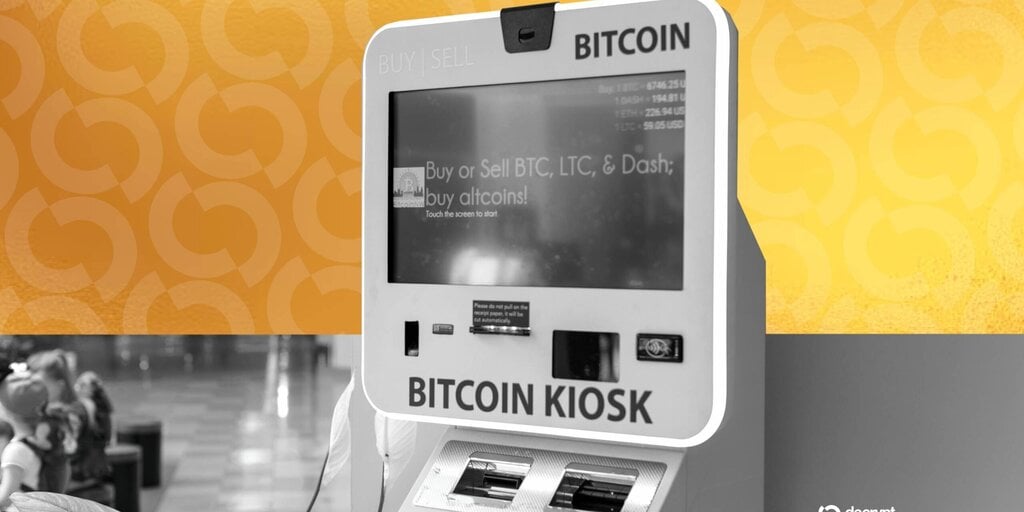
Crypto kiosks, commonly found in convenience stores, are being exploited by scammers who trick victims into depositing cash for cryptocurrency, leading to substantial financial losses. This widespread issue has spurred legislative action in Texas, where a ban is being considered, following similar prohibitions in other states.
Imagine there are special machines, like ATMs, where you can put in your pocket money and get digital coins called crypto. But some tricky grown-ups are fooling people into putting their money into these machines, and then the money disappears forever. Because so many people in Texas lost their money this way, the grown-ups who make rules are thinking about stopping these machines to keep everyone safe, just like some other states have already done.
Analysis
The Escalating Threat of Kiosk Scams
The proliferation of cryptocurrency kiosks, often situated in easily accessible locations like gas stations and convenience stores, has unfortunately created a fertile ground for scammers. In 2025 alone, Texans reported a staggering $56.8 million in losses to these scams, making it the state with the highest reported incidents. This figure represents a significant portion of the national total, which saw reported losses to crypto kiosks jump by 58% to $389 million across 13,460 complaints logged by the FBI.
The modus operandi of these scams typically involves fraudsters coercing victims into withdrawing cash from their bank accounts and depositing it into these machines, ostensibly to convert it into cryptocurrency for various fraudulent purposes, such as fake government fees, utility payments, or romantic scams. The ease of access and the irreversible nature of crypto transactions make these kiosks particularly attractive tools for criminals, leaving victims with little recourse once their funds are transferred.
Legislative Responses and Consumer Protection
The alarming rate of financial losses has prompted a strong legislative response, particularly in Texas, where lawmakers are now weighing a potential ban on crypto kiosks. This consideration comes after FBI figures were presented to a legislative committee, underscoring the severity of the problem within the state, which reportedly hosts about 4,000 such machines. The focus of these legislative efforts is squarely on consumer protection, aiming to shield residents from predatory scam tactics that leverage these machines.
Texas is not alone in addressing this issue. Other states, including Indiana, Tennessee, and Minnesota, have already taken decisive action by implementing outright bans on Bitcoin ATMs. These proactive measures reflect a growing recognition among state authorities of the urgent need to regulate or restrict technologies that are demonstrably being used to defraud citizens. The legislative debate in Texas will likely consider the balance between fostering innovation and ensuring public safety.
Broader Implications for Crypto Accessibility
The ongoing debate and potential bans on crypto kiosks carry significant implications for the broader cryptocurrency ecosystem. While these machines offer a convenient on-ramp for some individuals to access digital assets, their misuse by scammers threatens to undermine public trust in cryptocurrency and invite more stringent regulatory oversight. A widespread ban could limit legitimate access to crypto for unbanked populations or those who prefer cash transactions, potentially pushing them towards less regulated or riskier avenues.
Conversely, effective regulation or targeted bans could force the industry to develop more secure and transparent methods for cash-to-crypto conversions, ultimately benefiting consumers and enhancing the legitimacy of the crypto space. The outcome of these legislative discussions will likely shape how physical crypto access points are perceived and regulated across the United States, influencing both innovation and consumer confidence in the digital asset market.
Key points
- Texans reported $56.8 million in losses to crypto kiosk scams in 2025, the highest amount in the U.S.
- Nationally, reported losses to crypto kiosks increased by 58% to $389 million across 13,460 FBI complaints.
- Scammers persuade victims to withdraw cash and deposit it into these machines for cryptocurrency.
- Texas lawmakers are currently considering a ban on crypto kiosks in the state.
- Indiana, Tennessee, and Minnesota have already implemented outright bans on Bitcoin ATMs.
If Texas implements well-considered regulations or a targeted ban, it could significantly reduce financial losses from scams, fostering greater public trust in legitimate cryptocurrency services. This could lead to the development of more secure and transparent methods for accessing crypto, ultimately benefiting consumers.
An outright ban on crypto kiosks in Texas could limit legitimate access to cryptocurrency for individuals who rely on these machines, potentially pushing transactions to less regulated or riskier channels. This might hinder broader crypto adoption and create barriers for those seeking to engage with digital assets.