Crypto PAC Pours $1M into Michigan Democratic Primary Race
Crypto PAC Fairshake is spending $1 million to influence voters in Michigan's 13th congressional district, supporting incumbent Shri Thanedar and opposing challenger Donavan McKinney.
Intelligence analysis by Llama
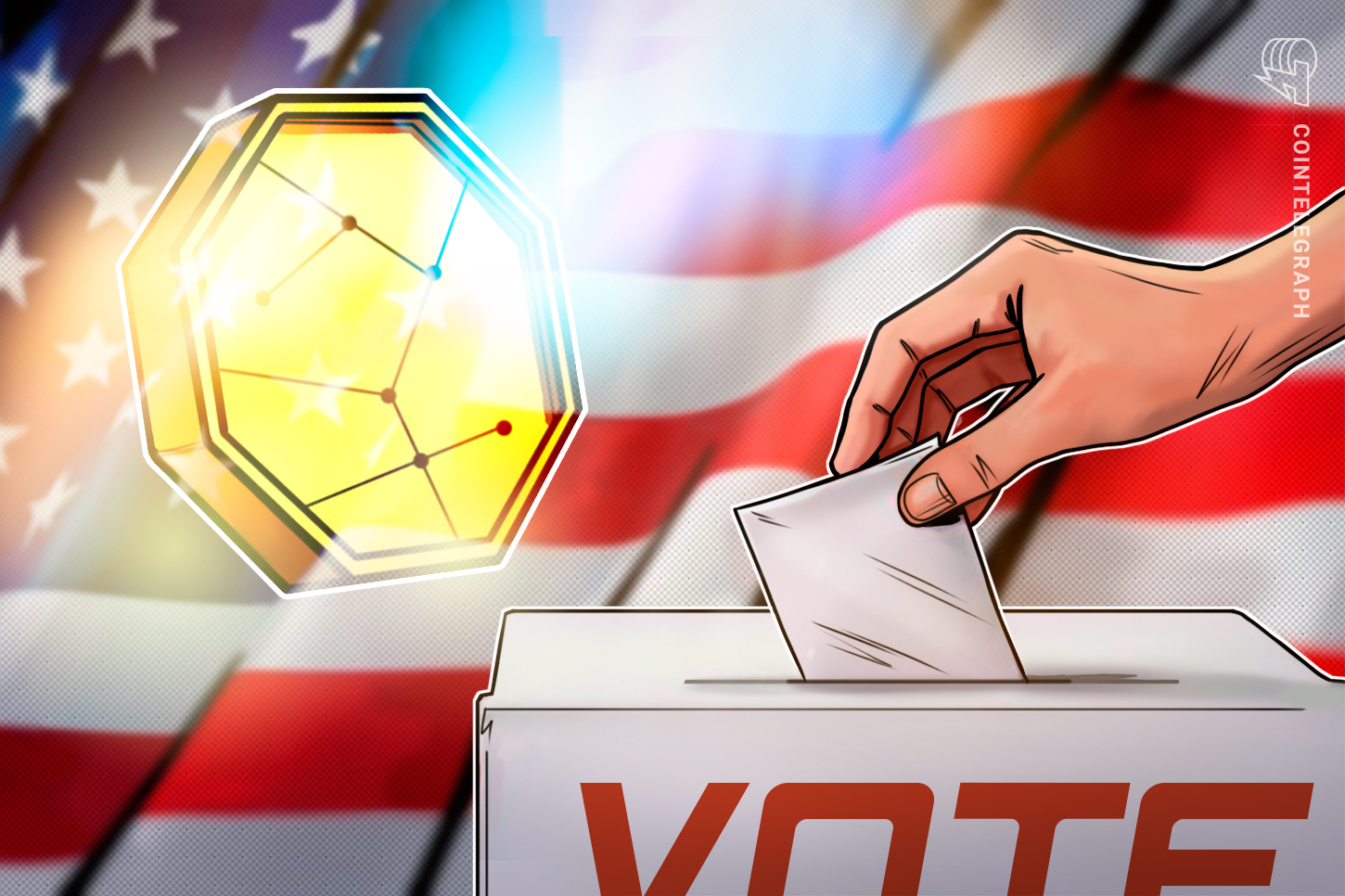
Crypto PAC Fairshake is spending $1 million to influence voters in Michigan's 13th congressional district, supporting incumbent Shri Thanedar and opposing challenger Donavan McKinney. Thanedar has voted for several crypto-related bills, including the CLARITY Act and GENIUS Act.
Imagine a group of people who like cryptocurrency trying to influence who gets to be in the US Congress. They're spending a lot of money to try to get their favorite candidates elected. This is a big deal because it could affect the laws that get made in the US.
Analysis
A $60B Vote of Confidence
Crypto PACs are pouring millions of dollars into US elections, with Fairshake and its affiliates reporting $191 million in their war chest. The Protect Progress PAC has spent over $986,000 on ads supportive of Democratic incumbent Shri Thanedar and opposing his challenger, Donavan McKinney. Thanedar has voted for several crypto-related bills, including the CLARITY Act and GENIUS Act, and has lost over $600,000 in the second quarter of 2026 after investing $3.7 million of campaign funds into crypto companies. McKinney, on the other hand, has not made any significant public statement directly supporting or opposing digital assets. The crypto lobby is paying my opponent back for helping Trump make over $1 billion since taking office, said McKinney in a Tuesday statement on the PAC spending. The PACs are just a few of many aligned with the industry attempting to send what they consider 'pro-crypto' candidates to the next US Congress. Others include Fellowship, backed by Cantor Fitzgerald and Anchorage Digital, and the Blockchain Leadership Fund, a hybrid PAC backed by Anchorage and Chainlink Labs. The influence of crypto PACs in US elections is a growing concern, with many aligned with the industry attempting to send 'pro-crypto' candidates to the next US Congress.
Why Cursor?
The Protect Progress PAC has spent over $986,000 on ads supportive of Democratic incumbent Shri Thanedar and opposing his challenger, Donavan McKinney. Thanedar has voted for several crypto-related bills, including the CLARITY Act and GENIUS Act, and has lost over $600,000 in the second quarter of 2026 after investing $3.7 million of campaign funds into crypto companies. McKinney, on the other hand, has not made any significant public statement directly supporting or opposing digital assets. The crypto lobby is paying my opponent back for helping Trump make over $1 billion since taking office, said McKinney in a Tuesday statement on the PAC spending.
The Road Ahead
The influence of crypto PACs in US elections is a growing concern, with many aligned with the industry attempting to send 'pro-crypto' candidates to the next US Congress. The Protect Progress PAC has spent over $986,000 on ads supportive of Democratic incumbent Shri Thanedar and opposing his challenger, Donavan McKinney. Thanedar has voted for several crypto-related bills, including the CLARITY Act and GENIUS Act, and has lost over $600,000 in the second quarter of 2026 after investing $3.7 million of campaign funds into crypto companies. McKinney, on the other hand, has not made any significant public statement directly supporting or opposing digital assets.
Key points
- Crypto PAC Fairshake is spending $1 million to influence voters in Michigan's 13th congressional district.
- The Protect Progress PAC has spent over $986,000 on ads supportive of Democratic incumbent Shri Thanedar and opposing his challenger, Donavan McKinney.
- Thanedar has voted for several crypto-related bills, including the CLARITY Act and GENIUS Act.
- McKinney has not made any significant public statement directly supporting or opposing digital assets.
If the pro-crypto candidates win, it could lead to more favorable laws and regulations for the industry. This could attract more investment and growth in the US, creating new opportunities for people.
If the pro-crypto candidates lose, it could lead to more restrictive laws and regulations, making it harder for the industry to grow. This could also lead to a decline in investment and a loss of jobs in the US.