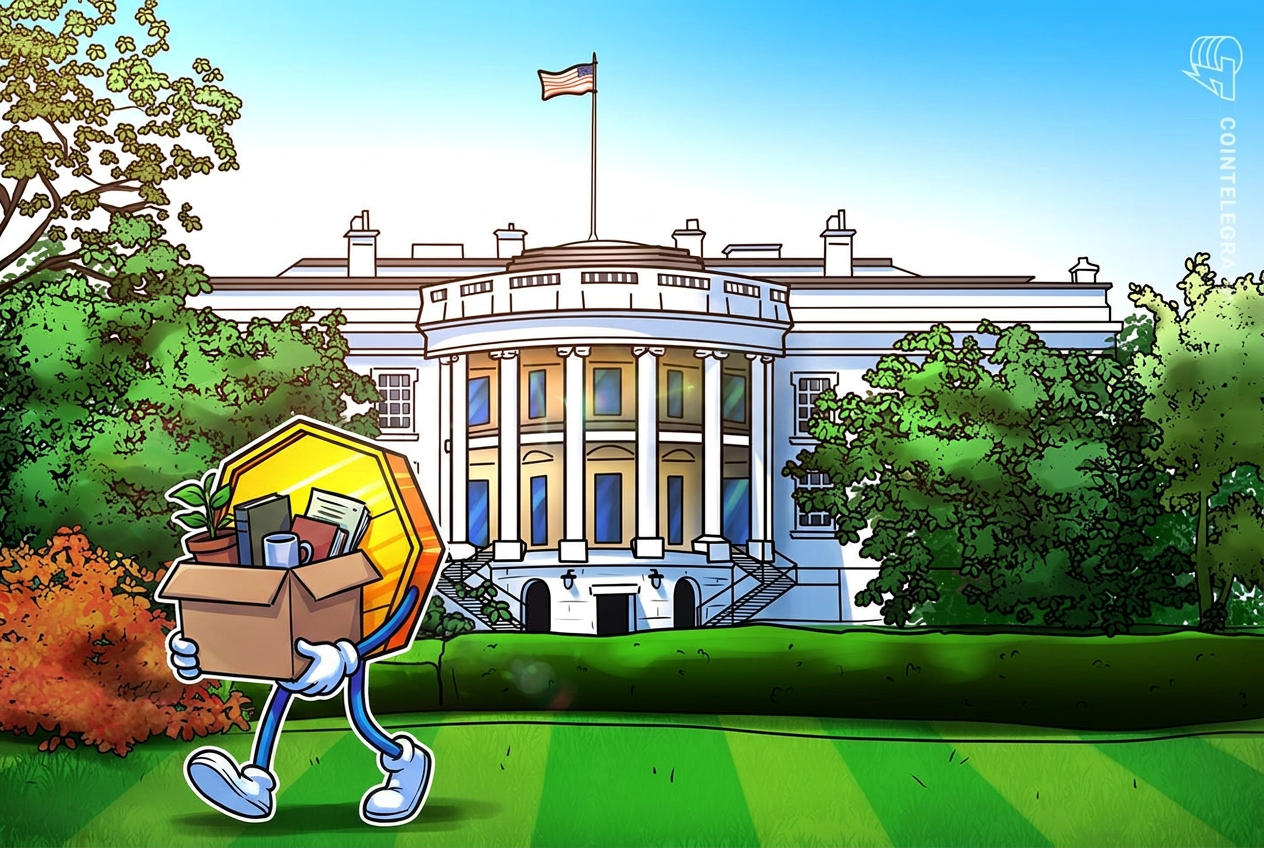
Crypto’s favorite $90 trillion trading product is coming to Wall Street, but big banks are taking it slow
Regulated perpetual futures are entering the U.S. market, but big banks are holding back due to liquidity, rules, and infrastructure concerns.
Intelligence analysis by Llama

Perpetual futures, a popular trading product in crypto, are coming to Wall Street, but traditional banks are taking it slow due to regulatory and infrastructure concerns.
Imagine you want to buy a house, but you can't afford it yet. You can make a deal with the seller to pay a little bit of money each month until you can afford the whole house. That's kind of like what perpetual futures are. They're a way for people to trade on things like bitcoin without having to buy the whole thing at once.
Analysis
A $90B Vote of Confidence
Perpetual futures have spent years as one of crypto's most popular trading products, especially for investors outside the United States. Now that the contracts are entering regulated American markets, Wall Street is trying to decide whether they are a passing retail craze or a lasting threat to traditional futures. The early numbers have been hard to ignore. Kalshi's perpetual futures topped $1 billion in trading volume within a week of launch in June, making them the company's biggest product debut since prediction markets. The exchange has since sought regulatory approval to offer perpetual futures tied to gold and silver, a sign that the product may not stay confined to bitcoin (BTC) and other digital assets.
Why Cursor?
Perpetual futures, often called perps, resemble standard futures contracts but do not expire. Traders do not need to close or roll a position into a new contract each month or quarter. Instead, periodic funding payments help keep the contract's price close to the underlying asset. The product has become a core part of global crypto trading. Bank of America has estimated annual perpetual futures volume at about $90 trillion.
The Road Ahead
On May 29, the Commodity Futures Trading Commission (CFTC) cleared Kalshi to offer the contracts. Coinbase (COIN) also received approval to list regulated perpetual futures in the U.S. Inside Wall Street, however, interest does not mean immediate adoption. People familiar with discussions said perps are coming up more often, in part because U.S. regulators are allowing markets that once operated offshore to move onshore. Yet most large financial institutions are still studying the products rather than preparing major launches.
Key points
- Regulated perpetual futures are entering the U.S. market.
- Big banks are holding back due to liquidity, rules, and infrastructure concerns.
- Perpetual futures have become a core part of global crypto trading.
- The product has the potential to increase liquidity and make perpetual futures a more viable option for traders and investors.
If the demand for perpetual futures continues to grow, it could lead to increased liquidity and more institutions committing to the market. This could ultimately make perpetual futures a more viable option for traders and investors.
The regulatory fight over perpetual futures could lead to delays or even the cancellation of the product. This could be a major setback for the crypto industry and traditional Wall Street banks.