Cuba edges toward breakdown as power cuts and US meddling push society to brink
Repeated blackouts, fuel shortages and sanctions are pushing Cuba deeper into hardship, with unrest rising as daily life gets harder.
Intelligence analysis by GPT-5.4 Mini
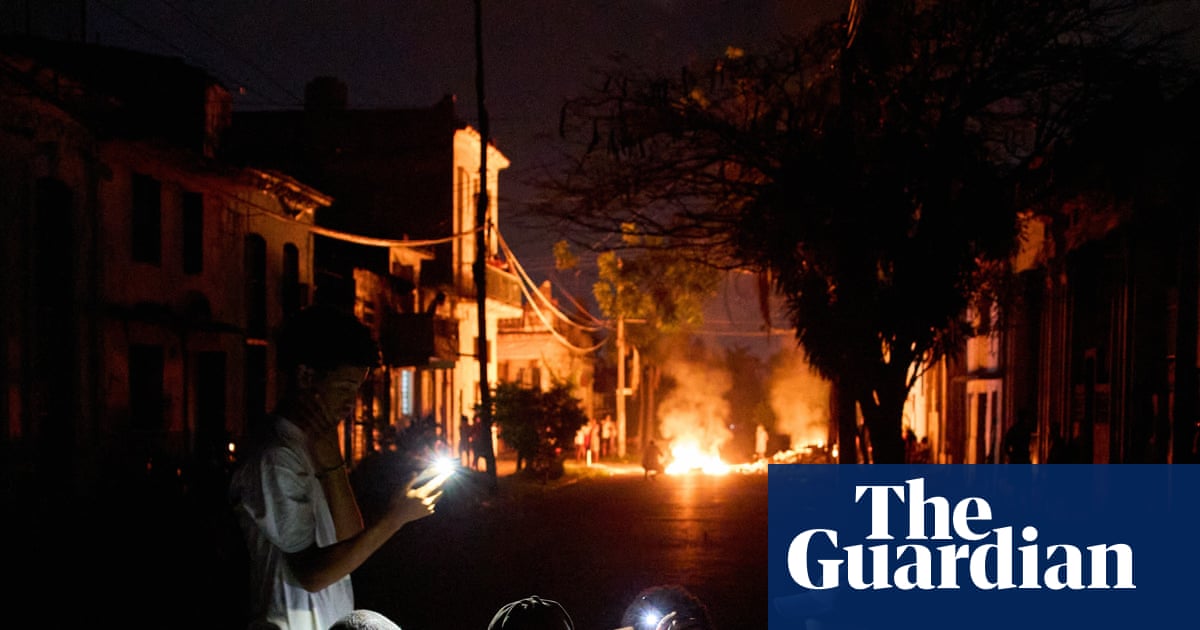
The Guardian frames Cuba as drifting toward systemic failure: repeated grid collapses, fuel shortages and US pressure are deepening daily misery while exposing how brittle the island’s economy and institutions have become.
Cuba is like a house where the lights keep going out, the fridge stops working, and new parts are hard to get. When that happens again and again, people get angry, worried, and tired because normal life becomes much harder.
Analysis
A Grid That Cannot Absorb Another Shock
Cuba’s electricity problem is not just a string of bad days. The article describes an antiquated system built around aging thermoelectric plants, and that matters because old infrastructure leaves little room for maintenance delays, fuel shortages or spare-parts bottlenecks. When the grid collapses repeatedly, it stops being a technical issue and becomes a daily economic constraint.
The story also makes clear that blackouts are multiplying existing damage rather than causing it alone. Households cannot reliably pump water, charge phones or protect food, which turns energy instability into household-level loss. That is how infrastructure decay moves from the utility sector into the broader economy.
Sanctions, Fuel, and the Cost of Isolation
The article places heavy weight on the US blockade and wider sanctions pressure, which it says have driven out foreign firms and made access to fuel and inputs harder. Whether or not sanctions are the only cause, they clearly tighten the room for Cuba to import the parts, fuel and equipment needed to keep the system running. In a country already short on hard currency, that kind of external pressure can quickly become an internal supply crisis.
This is also where the economic story becomes more than a diplomatic one. If businesses cannot import goods, if ships and airlines pull back, and if fuel does not arrive on time, then the private and state sectors both operate below capacity. The result is not just scarcity in stores, but weaker production, fewer services and more pressure on prices and wages.
When Shortages Become Political Risk
The article suggests that hardship is now spilling into social unrest. Cacerolazos, crime, street fights and anger at the government point to a society where economic stress is becoming politically combustible. That is often the warning sign that a shortage crisis has moved beyond inconvenience and into legitimacy risk.
There is also a deeper institutional problem here. The government says it lacks fuel and spare parts, while the public sees repeated failure and little relief. Once people stop expecting services to work, they start behaving as if the state cannot guarantee basic stability, which makes recovery harder even if supplies eventually improve.
Key points
- Cuba’s grid has collapsed repeatedly, turning blackouts into a routine part of life.
- The government says it lacks fuel and spare parts for its power plants.
- The article links US sanctions and pressure to worsening shortages and weaker imports.
- Household hardship is feeding anger, unrest and signs of rising social breakdown.
- Economic strain is spreading from electricity into crime, services and political stability.
If Cuba regains more fuel and spare parts, the government could restore more steady electricity service and ease pressure on homes and businesses. Any reduction in the current strain would also give authorities more room to calm unrest and keep basic services running.
If fuel shortages and sanctions continue, the grid could fail again and daily life could get even more unstable. The article suggests that could mean more unrest, more crime and a deeper sense that the state cannot keep basic services working.