Cuba used to have European friends – there’s a reason why even now they have deserted it too
Paul Taylor argues Cuba’s crisis is driven by both US pressure and decades of communist mismanagement, while Europe has largely stopped defending Havana.
Intelligence analysis by GPT-5.4 Mini
The column says Cuba is being squeezed by a US fuel blockade and wider regime-change pressure, but also that its own rulers have hollowed out the economy. Europe, once more sympathetic, is now too divided and distracted to help.
Cuba is like a house that already had a weak roof and then got hit by a storm. The storm is pressure from the US, which makes fuel and power harder to get.
But the house was also built badly. The article says Cuba’s own leaders made mistakes for many years, so the country does not make enough of what it needs and depends on others too much.
Europe used to help more, but now many countries are busy with other problems. That leaves Cuba stuck with fewer friends and a very hard life.
Analysis
What the column argues
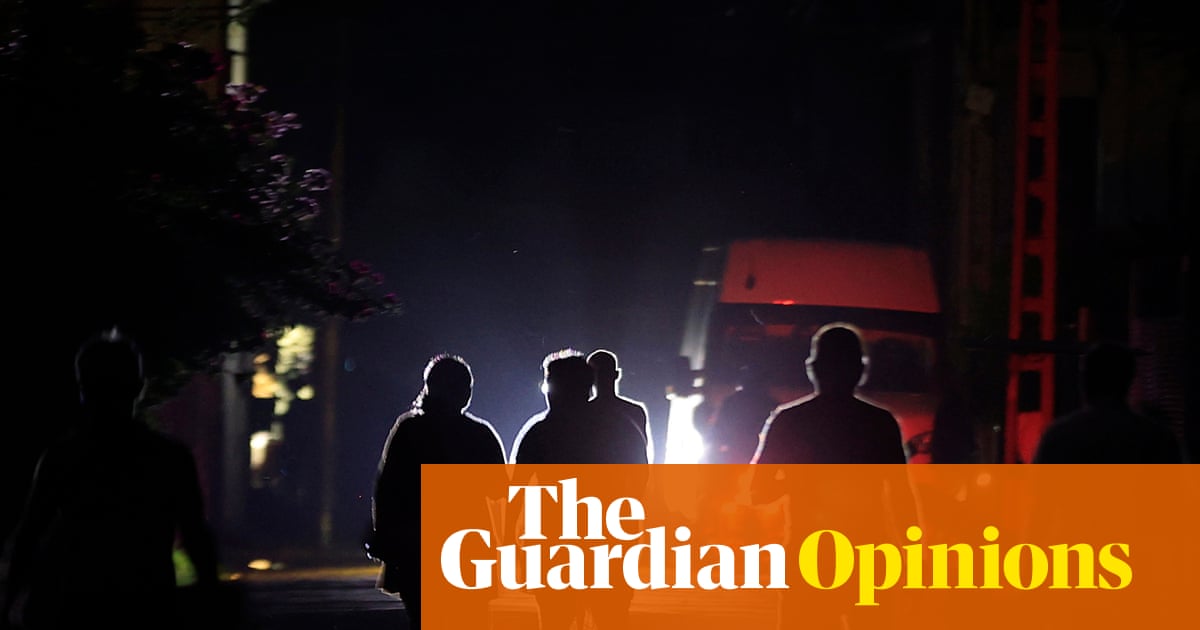
Paul Taylor says Cuba once had strong sympathy in Europe, especially among left-leaning circles that saw the island as a small country resisting US power. That old political instinct, he argues, has faded. Today, Cuba is facing a severe fuel shortage, near-blackouts, stalled factories, strained hospitals, and deep poverty while the US keeps up maximum pressure.
Why Europe is absent
Taylor says few European governments are willing to challenge Washington over Cuba now. Spain and France have traditionally been Havana’s main defenders inside the EU, but even there the response is muted. He points to a more fragmented EU, preoccupation with the war in Ukraine and tensions around Iran, and the fact that some eastern European countries are more hostile to Cuba because of their anti-communist history. In 2025, several EU states abstained or voted against the annual UN resolution condemning the embargo.
The economic case the column makes
The column argues that Cuba’s suffering cannot be explained by the US embargo alone. It says decades of communist mismanagement have crushed initiative and left the country dependent on imports, remittances, and foreign lifelines. Taylor cites the loss of subsidized Venezuelan oil, Russia’s distraction, and China’s unwillingness to confront the US. A former EU ambassador quoted in the piece says Cuba has become “anything but libre” and still imports most of its food. The result, Taylor says, is a country with little electricity, limited exports, and no reliable foreign backer willing to absorb the costs of helping it.
Key points
- Cuba is facing fuel shortages, blackouts, and stalled economic activity.
- The article says US pressure is severe, but Cuba’s own economic mismanagement is also a major cause of the crisis.
- Europe, once more supportive of Havana, is now divided and largely inactive.
- Support from Venezuela, Russia, and other allies has weakened or disappeared.
- The piece frames Cuba’s economy as trapped between external sanctions and internal policy failure.