CXMT joins growing list of Chinese tech firms suing US Pentagon over blacklists
Chinese chipmaker CXMT has filed a lawsuit against the US Department of Defence, seeking removal from a Pentagon blacklist that designates companies with alleged military ties. This action follows similar legal challenges by other prominent Chinese tech firms.
Intelligence analysis by Gemini 2.5 Flash
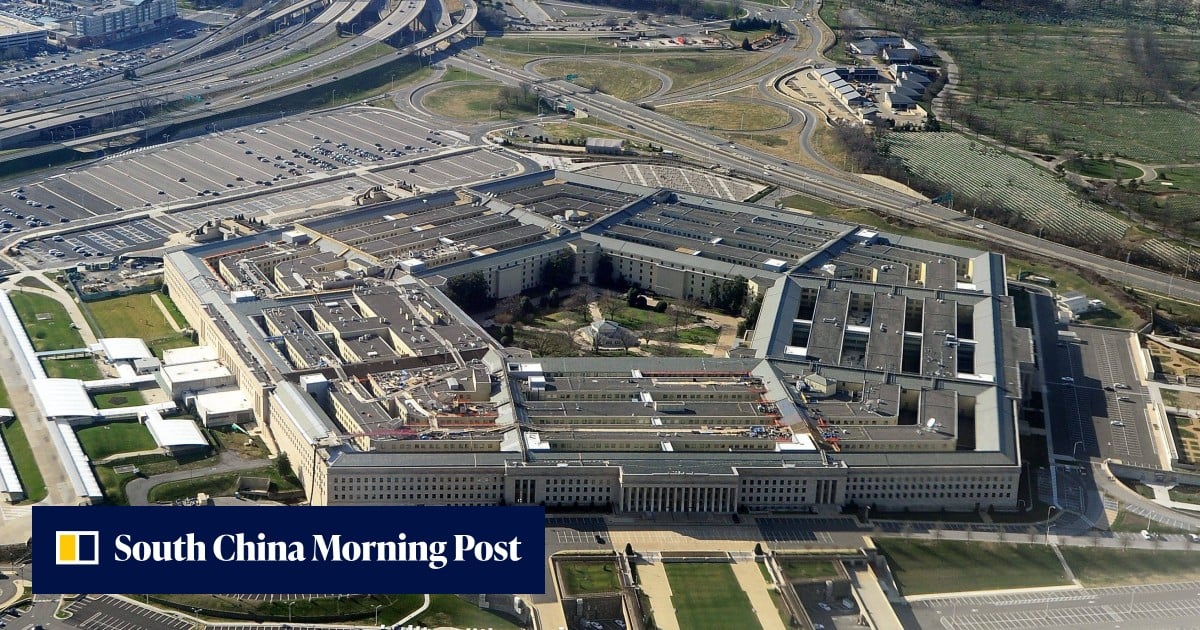
CXMT, China's largest manufacturer of dynamic random-access memory (DRAM) chips, is challenging its inclusion on the US Pentagon's Section 1260H blacklist in a Washington federal court. The lawsuit is part of a broader trend where Chinese technology companies are increasingly using US courts to contest American government blacklists, with legal experts noting a growing judicial willin…
Imagine a big club (the US government) has a list of companies (Chinese tech firms) they think are connected to the military, so they don't want to trade with them. One company, CXMT, which makes computer memory chips, says "That's not fair!" and is taking the club to court to get off the list, just like other companies have done. The court will check if the club has good reasons for putting them on the list.
Analysis
The lawsuit filed by ChangXin Memory Technologies (CXMT) against the US Department of Defence marks a critical juncture in the ongoing technological and trade tensions between the United States and China. CXMT, a pivotal player as China's largest producer of DRAM chips, is directly challenging the US government's authority to label it as a military-linked entity without what it considers sufficient evidence and due process. This legal action underscores the increasing assertiveness of Chinese firms in pushing back against US sanctions and blacklists through judicial channels, rather than solely relying on diplomatic or political avenues. The outcome of this case could set a significant precedent for how future US national security determinations are made and contested, particularly concerning their reliance on reasoned explanation and verifiable evidence.
Section 1260H
CXMT's legal challenge specifically targets its inclusion on the Pentagon's Section 1260H list, which identifies Chinese companies deemed to have military ties. The company was initially added to this blacklist in January 2025 and remained on it after a review in June of the same year. Inclusion on such a list typically imposes severe restrictions, including limitations on US investment and trade, which can significantly impede a company's global operations and access to critical technologies. The core of CXMT's argument, as highlighted by compliance lawyer Mark Shi, will likely revolve around whether its broad ties to China's industry ministry or state-asset regulator are sufficient grounds for a military designation, and the extent to which these US national-security determinations must withstand judicial scrutiny regarding evidence and due process. The legal battle will test the boundaries of US executive power in economic warfare.
Hesai Group
CXMT is not an isolated case; its lawsuit is part of a growing wave of legal challenges initiated by Chinese tech firms against US blacklists. Precedent-setting rulings involving companies such as lidar sensor maker Hesai Group, drone manufacturer DJI, and biotech firm WuXi AppTec have demonstrated that US judges are increasingly prepared to scrutinize the government’s evidence and, in some instances, grant interim relief. This trend suggests a potential shift in the legal landscape, offering a glimmer of hope for blacklisted companies seeking redress. The temporary reprieve granted to Alibaba Group Holding last month over a lobbying restriction further illustrates this judicial willingness to review and potentially challenge US government actions. These cases collectively indicate that the US legal system may serve as an unexpected battleground for resolving aspects of the US-China tech rivalry, compelling the Department of Defence to provide more robust justifications for its blacklisting decisions.
Key points
- CXMT, China's largest DRAM chipmaker, has sued the US Department of Defence.
- The lawsuit aims to remove CXMT from the Pentagon's Section 1260H blacklist of companies with alleged military ties.
- CXMT was added to the blacklist in January 2025 and remained after a review in June.
- Other Chinese tech firms, including Hesai Group, DJI, and WuXi AppTec, have also challenged US blacklists in court.
- Legal experts suggest US courts are increasingly willing to scrutinize the government's evidence in these cases.
If CXMT and other Chinese firms succeed in their legal challenges, it could lead to a more transparent and evidence-based process for US blacklisting, potentially easing some trade tensions and allowing these companies to operate more freely in global markets. This could also ensure a more diverse and competitive global semiconductor supply chain, benefiting technological advancement.
Should these lawsuits fail, it would solidify the US government's ability to impose broad blacklists based on perceived military ties, potentially escalating tech decoupling between the US and China. This could further fragment global supply chains and hinder technological collaboration, impacting the availability of critical components for various industries, including AI.