Cyberattacks Hit Water Facilities In Seven States Across The US
Cyberattacks have hit water facilities in seven states across the US, causing flooding and loss of water pressure. The FBI and EPA warn that hackers are targeting critical infrastructure, specifically Programmable Logic Controllers (PLCs).
Intelligence analysis by Llama
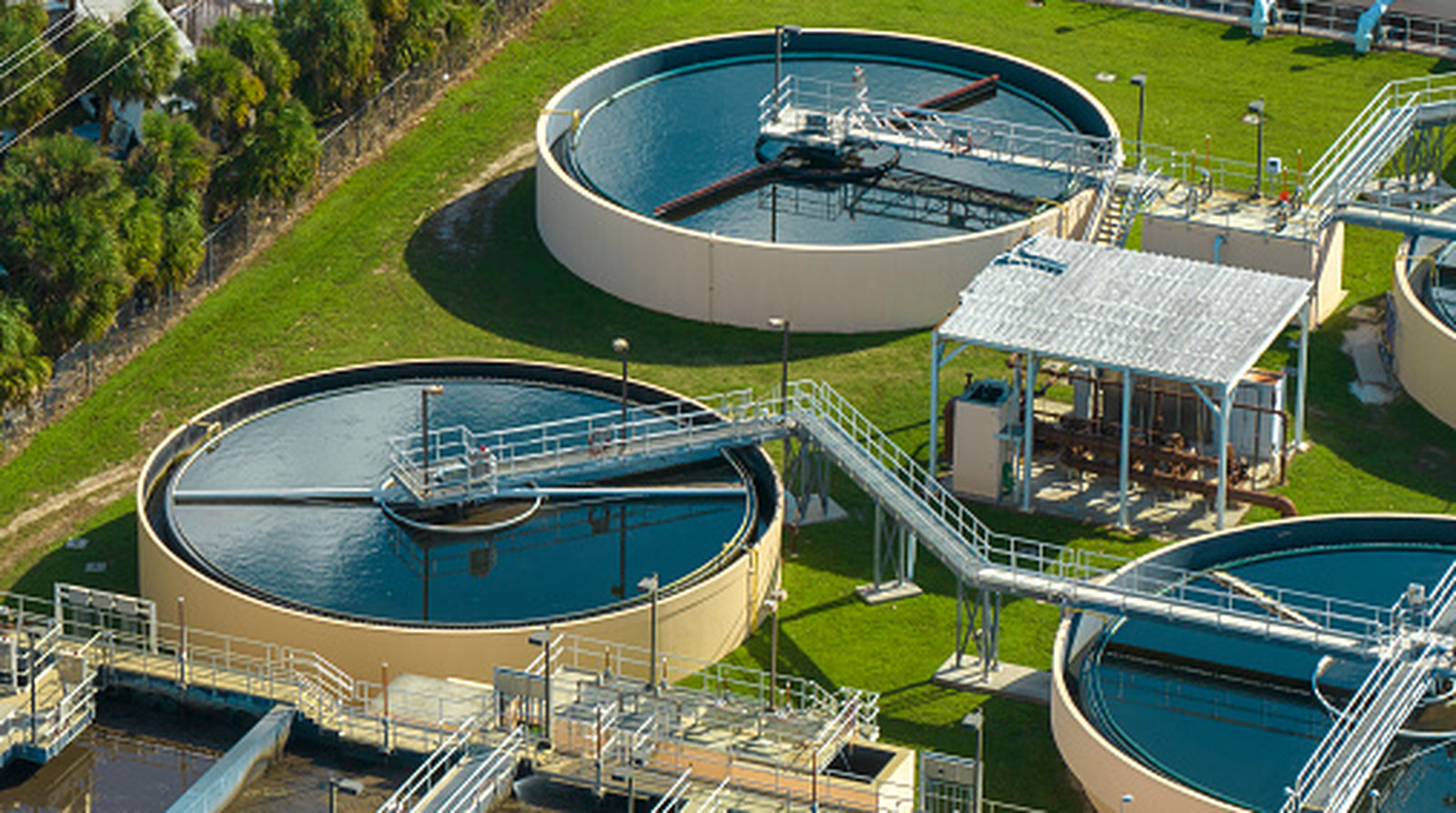
The FBI and EPA have issued a public service announcement warning of cyberattacks on water facilities in seven states. Hackers are targeting PLCs, causing flooding and loss of water pressure. Authorities are advising utilities to use secure gateways and firewalls to protect their systems.
Imagine your water supply is like a big computer system. Hackers are trying to break into this system to cause problems. They're targeting special computers called Programmable Logic Controllers (PLCs) that help control the water flow. If they succeed, it can cause flooding and loss of water pressure. To prevent this, authorities are advising water companies to use stronger passwords and secure their systems from the internet.
Analysis
A $60B Vote of Confidence in Cybersecurity Measures
The recent cyberattacks on water facilities in seven states across the US are a stark reminder of the vulnerability of critical infrastructure to hacking. The FBI and EPA have issued a public service announcement warning of the threat, and authorities are advising utilities to take immediate action to protect their systems. The attacks, which have caused flooding and loss of water pressure, are a clear indication that hackers are targeting critical infrastructure, specifically Programmable Logic Controllers (PLCs).
The US Cybersecurity and Infrastructure Security Agency (CISA) issued its own warning back in April that "Iran-affiliated" hackers were targeting water infrastructure, among other entities. The warning was issued after more than 30 municipal water facilities in Minnesota were infiltrated by bad actors over the past week. According to NBC News, the attacks in Minnesota had all the hallmarks of Iranian meddling. Law enforcement is still investigating the incidents and has yet to confirm if the country is truly involved.
The attacks on water facilities in seven states are a wake-up call for the need for robust cybersecurity measures to protect against such threats. The FBI and EPA are advising utilities to use secure gateways and firewalls to protect their systems from direct internet exposure. They're also advising the utilities to set up stronger passwords and utilize access control lists to only allow authorized communications between system devices. The warning comes after a memo was sent to members of the Water Information Sharing and Analysis Center (WaterISAC), an industry group for water utilities, that ties the Minnesota attacks to Iran.
The attacks on water facilities in seven states highlight the importance of investing in cybersecurity measures to protect critical infrastructure. The US government and private sector must work together to ensure that our critical infrastructure is secure and resilient against cyber threats.
Key points
- Cyberattacks have hit water facilities in seven states across the US, causing flooding and loss of water pressure.
- The FBI and EPA warn that hackers are targeting critical infrastructure, specifically Programmable Logic Controllers (PLCs).
- Authorities are advising utilities to use secure gateways and firewalls to protect their systems from direct internet exposure.
- The US Cybersecurity and Infrastructure Security Agency (CISA) issued its own warning back in April that "Iran-affiliated" hackers were targeting water infrastructure, among other entities.
If the water facilities in seven states can implement robust cybersecurity measures, they may be able to prevent future attacks and maintain the integrity of their systems. This could lead to a safer and more reliable water supply for the affected communities.
If the hackers are able to successfully infiltrate the water facilities' systems, it could lead to widespread disruptions in water supply, causing significant inconvenience and potential health risks to the affected communities.