‘Day spent running from one courtroom to another’: Why Delhi’s prosecutors are stretched thin
Delhi's public prosecutors are overwhelmed by a severe shortage, leading to them juggling multiple courtrooms and cases, impacting judicial efficiency and justice for victims.
Intelligence analysis by Gemini 2.5 Flash Lite
A critical shortage of public prosecutors in Delhi's courts, exacerbated by new judicial appointments and court openings, is leaving existing prosecutors severely overworked. They are forced to manage an untenable caseload across multiple courtrooms, leading to delays, compromised arguments, and potential detriment to victims and witnesses.
Imagine a teacher who has to grade papers for 50 students, but only has enough time to look at 20. Delhi's prosecutors are like that teacher, but for court cases. With too many cases and too few prosecutors, they rush through important work, which can slow down justice for everyone involved.
Analysis
Prosecutor Shortage
The judicial system in Delhi is grappling with a significant deficit in public prosecutors, a situation that has been amplified by recent administrative changes. The article highlights that as of August 2026, Delhi's trial courts require approximately double the number of public prosecutors they currently have. Specifically, there are substantial vacancies across sanctioned posts for public prosecutors, additional public prosecutors, and assistant public prosecutors. This deficit is further compounded by the fact that a portion of the existing workforce is employed on a contractual basis, potentially indicating a less stable or experienced pool of legal professionals.
The recent transfer of 138 judges and the establishment of new courts, particularly at Rouse Avenue Court for specialized cases like those under the UAPA, NIA, NDPS, and MCOCA, has drastically increased the workload for the remaining prosecutors. Prosecutors who previously handled cases in three courts are now assigned to five, and those managing one court are now responsible for three. This surge in responsibility, coupled with the need to prepare for cases under unfamiliar special laws, places an immense burden on these legal professionals.
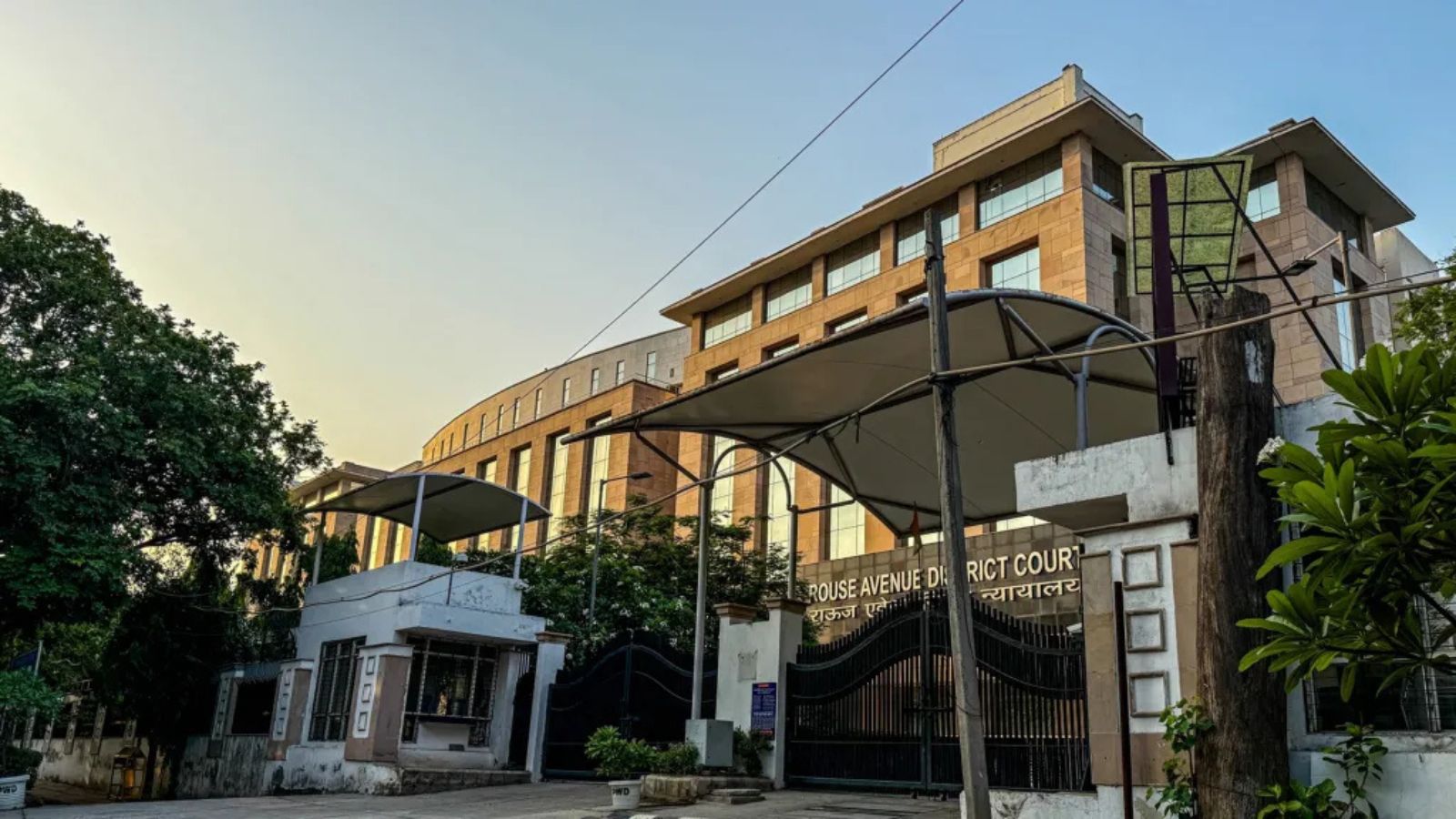
Rouse Avenue Court
The opening of new courts at Delhi's Rouse Avenue Court has become a focal point for the escalating crisis of prosecutor shortages. Thirteen judges have been posted to this location specifically to handle sensitive and complex cases, including those related to terrorism under the NIA Act and the UAPA, as well as drug trafficking under the NDPS Act and organized crime under MCOCA. Six of these are designated as Special NIA Judges, tasked exclusively with hearing terror-related cases.
This influx of specialized judicial capacity, while intended to expedite justice in critical areas, has inadvertently intensified the pressure on the public prosecutor's office. The article notes that prosecutors are now juggling multiple courtrooms within Rouse Avenue Court, often having to prepare for and argue cases under laws they may not be intimately familiar with. This situation leads to a frantic pace of work, where prosecutors are described as "running from one courtroom to another," struggling to keep track of cases and prepare adequately.
Case Backlog
The escalating number of pending criminal cases in Delhi, which rose from 13 lakh in mid-2025 to 15 lakh in mid-2026, directly correlates with the strain on the prosecution system. With approximately 20,000 criminal cases listed daily across Delhi's trial courts, and Sessions Courts often dealing with 20 to 25 cases per day, prosecutors assigned to multiple courts are effectively handling up to 50 cases daily. This sheer volume makes effective preparation and argument nearly impossible.
The consequences of this overload are manifold. Prosecutors report having insufficient time to thoroughly review case files, sometimes having only 20 minutes to prepare for high-profile cases or to argue for police custody. This lack of preparation can lead to adjournments, as prosecutors struggle to be present in all assigned courts or to argue cases effectively. The article suggests that this situation inadvertently benefits the accused, as delays and compromised arguments can weaken the prosecution's stance. Furthermore, the strain affects victims and witnesses, with hearings sometimes being left midway or prolonged due to the prosecutor's inability to be in multiple places at once, thereby prolonging their suffering and potentially undermining the integrity of the justice process.
Key points
- Delhi faces a severe shortage of public prosecutors, with vacancies at 50% for public prosecutors and 54% for assistant public prosecutors.
- The recent addition of new courts and judges has intensified the workload, forcing prosecutors to manage multiple courtrooms simultaneously.
- Prosecutors are struggling with inadequate time for case preparation, leading to adjournments and potentially compromising arguments.
- The shortage impacts the efficiency of trials, potentially benefiting the accused and prolonging suffering for victims and witnesses.
- The article warns that the current situation, if unaddressed, could lead to the collapse of the judicial system.
If the government prioritizes filling the vacant prosecutor positions and potentially streamlines case management, the system could see a significant reduction in delays. This would allow prosecutors to prepare cases more thoroughly, leading to more efficient trials and a greater sense of justice for victims and the accused.
The current situation risks a complete breakdown of the judicial process if the prosecutor shortage is not addressed urgently. Continued overburdening could lead to widespread case dismissals due to procedural delays, a loss of faith in the justice system, and a significant increase in the suffering of victims awaiting resolution.