‘De-escalate law enforcement, allocate protest site‘: What CJP told Delhi Police
The Cockroach Janta Party (CJP) has written to Delhi Police demanding de-escalation of heavy security, an end to detentions, and allocation of Jantar Mantar for protests. They blame the Centre and police for capital unrest.
Intelligence analysis by Gemini 2.5 Flash Lite
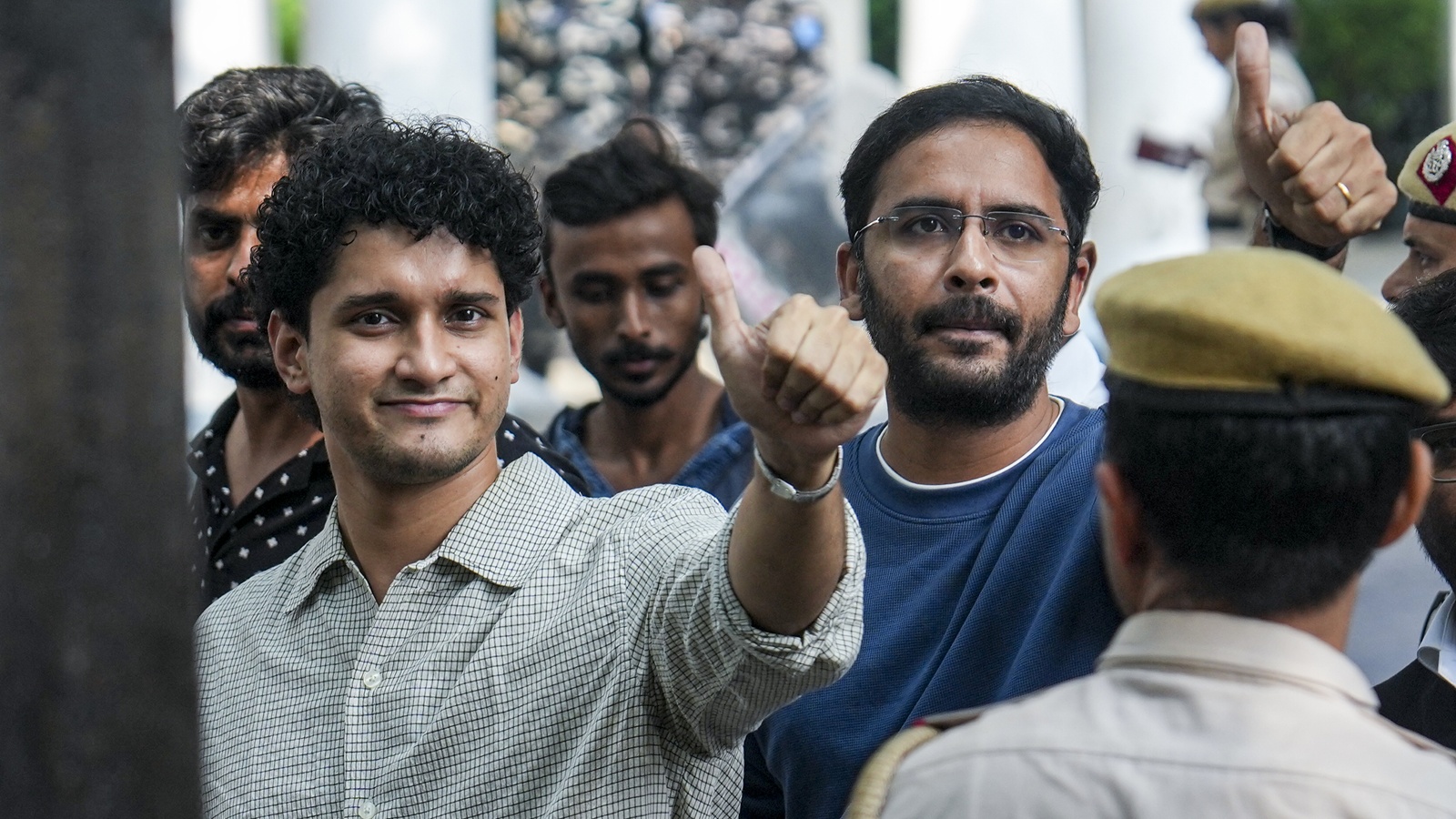
CJP leaders, after a brief detention, have formally requested Delhi Police to reduce heavy security deployments and halt alleged harassment of citizens and journalists. They are demanding the allocation of Jantar Mantar, a designated protest site, and have threatened to announce a new protest date if their demands are not met within 24 hours.
Imagine you want to tell your parents something important, but they keep blocking the door and putting up big fences. The CJP is telling the police that blocking everyone and putting up too many fences makes things messy and unfair. They want a clear spot to talk, like a designated 'talking corner', and they're giving the police a day to decide.
Analysis
Jantar Mantar
The Cockroach Janta Party (CJP) has explicitly demanded the allocation of Jantar Mantar, a historically recognized site for peaceful assembly and protest in New Delhi. The organization argues that the Centre's refusal to provide this official, secure space has led to significant distress and discontent among the populace. This denial, according to the CJP, is a key factor contributing to the current instability and "structured disorder" in the capital, as citizens are left without a designated area to voice their grievances, forcing them into potentially chaotic or unapproved gatherings.
55,000 Personnel
The CJP's letter to the Delhi Police details the severe disruption caused by the deployment of over 55,000 police and paramilitary personnel across the city. This massive security presence, the CJP contends, has brought routine civic life to a virtual standstill. Businesses have been forced to close, leading to financial hardship, and the general movement of the public has been severely disrupted. The organization characterizes this situation as "structured disorder," implying a deliberate creation of chaos through excessive law enforcement and administrative non-cooperation, rather than a natural consequence of protest.
Gyanesh Kumar
The CJP's protest is specifically aimed at demanding the resignation of Chief Election Commissioner Gyanesh Kumar. The outfit alleges irregularities in the Special Intensive Revision of electoral rolls, a serious charge that strikes at the heart of democratic processes. By targeting the CEC, the CJP is directly challenging the integrity of the electoral system. Their demand for his resignation, coupled with the broader call for de-escalation and the right to protest, frames the current unrest as a consequence of perceived governmental overreach and a threat to fundamental democratic rights.
Key points
- CJP has written to Delhi Police demanding de-escalation of heavy security and allocation of Jantar Mantar for protests.
- The organization blames the Centre and Delhi Police for the capital's unrest and "structured disorder."
- CJP alleges arbitrary detentions, harassment of journalists, and disruption of civic life due to excessive police deployment.
- They are demanding the resignation of Chief Election Commissioner Gyanesh Kumar over alleged electoral roll irregularities.
- CJP has given a 24-hour ultimatum for a response, threatening to announce a new protest date if demands are unmet.
If the Delhi Police and the Centre respond positively, de-escalating security and allocating a designated protest site like Jantar Mantar, it could lead to a more orderly expression of dissent. This would uphold citizens' constitutional right to protest peacefully and potentially reduce the current civic disruption and public distress in the capital.
Conversely, if the authorities fail to respond within the 24-hour ultimatum or continue with heavy-handed tactics, the CJP may proceed with announcing a new protest date independently. This could lead to further confrontations, increased detentions, and a prolonged period of "structured disorder" in Delhi, exacerbating tensions between protesters and law enforcement.