Deadly flood damages Grand Canyon water pipeline serving 6m annual visitors
Deadly flood damages Grand Canyon water pipeline, threatening 6 million annual visitors
Intelligence analysis by Qwen 2.5 (3B)
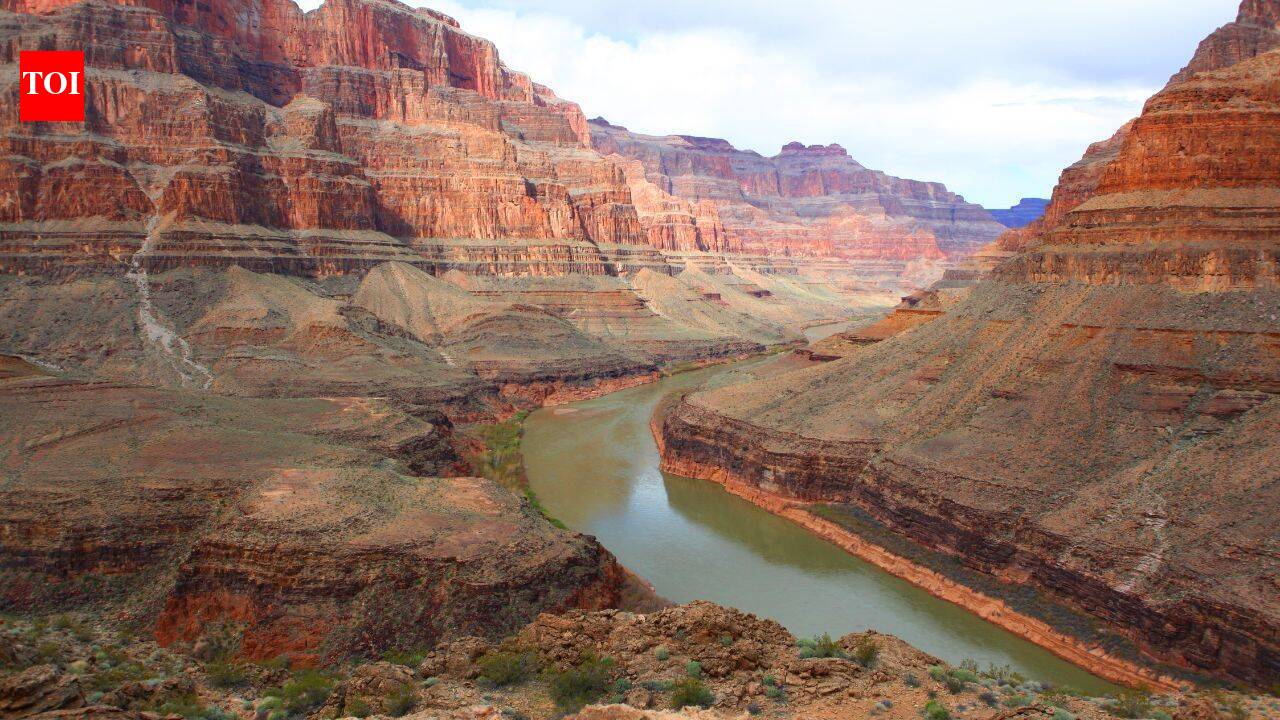
A deadly flood has damaged a 12.5-mile pipeline supplying water to the Grand Canyon, affecting 6 million annual visitors and forcing water restrictions.
A big pipe brought water to the Grand Canyon. A flood broke the pipe, and now visitors might not have enough water. The park needs to fix the pipe quickly to keep everyone safe and comfortable.
Analysis
Flood Damage Assessment
The floodwaters scoured the ground, uprooting vegetation and exposing sections of the pipeline, leading to multiple ruptures and leaks. Park engineers and contractors must carefully excavate and repair the damaged sections to avoid causing additional harm to the landscape.
Infrastructure Vulnerability
The pipeline was built decades ago, in an era with more stable climate patterns. Its route was chosen based on the best available data at the time, but it crosses numerous washes and flood-prone areas that have become more dangerous as storms intensify. Park officials acknowledge that the flood damage is likely a preview of future challenges.
Long-term Solutions
Future infrastructure may include rerouting sections of the pipeline away from high-risk washes, burying pipe deeper, or building redundant systems to ensure the park remains operational in the face of extreme weather events.
Key points
- 12.5-mile pipeline damaged by flood
- 6 million annual visitors affected
- Immediate water restrictions implemented
With quick repairs, the park can minimize the impact of the flood and ensure visitors have access to water. New infrastructure solutions can also help prevent future damage.
If the repairs take too long, visitors might not have enough water, and the park could be closed for an extended period. This could affect the local economy and the safety of visitors.