Deadly H5 bird flu found in local Australian seabird for first time
A greater crested tern, a common coastal bird, has tested positive for deadly H5 bird flu in South Australia, marking the first local case of the disease.
Intelligence analysis by Llama
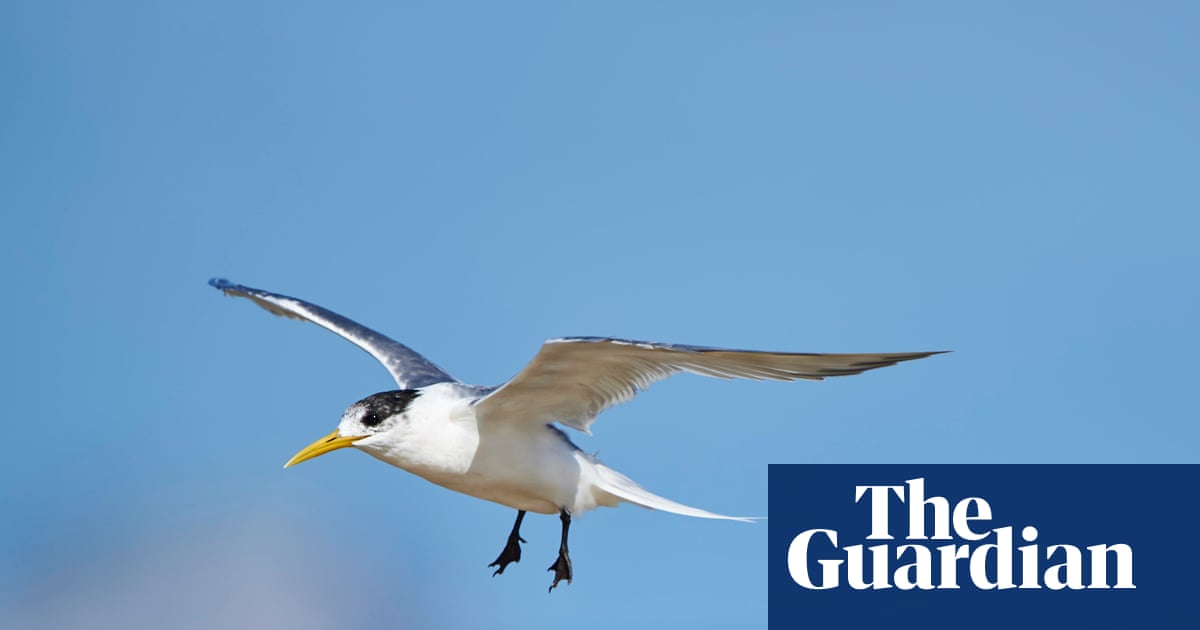
The discovery of the H5 bird flu in a local Australian seabird has raised concerns about the spread of the disease in the country's coastal regions. The federal agriculture minister, Julie Collins, has stated that the strong biosecurity system is working, but extra surveillance is being conducted to determine the extent of the spread.
A type of bird flu has been found in a bird in Australia. This bird flu can be bad for birds and might spread to other birds. The government is checking to see if it has spread to other birds and is working to stop it from spreading.
Analysis
A New Threat Emerges in Australian Waters
The discovery of deadly H5 bird flu in a local Australian seabird has sent shockwaves through the country's wildlife community. The greater crested tern, a common coastal bird, has tested positive for the disease, marking the first local case of the H5 bird flu. This development raises concerns about the spread of the disease in Australia's coastal regions and the potential risks to the country's wildlife.
The federal agriculture minister, Julie Collins, has stated that the strong biosecurity system is working, but extra surveillance is being conducted to determine the extent of the spread. The South Australian government is leading the response to the discovery, conducting extra surveillance to help establish whether there had been further spread in local wildlife.
The detection of H5 bird flu in a local Australian seabird is significant because it highlights the potential risks to the country's wildlife. The disease has been detected in migratory subantarctic seabirds, mostly giant petrels, found on the coasts of SA, Western Australia, and New South Wales. However, this is the first time the disease has been detected in a local Australian seabird.
The implications of this discovery are far-reaching. The H5 bird flu has the potential to spread quickly through Australia's coastal regions, putting the country's wildlife at risk. The disease has already been detected in several countries around the world, including the United States, China, and Europe. Australia's strong biosecurity system is in place to prevent the spread of the disease, but the detection of H5 bird flu in a local Australian seabird highlights the need for continued vigilance in monitoring the spread of the disease.
The Importance of Biosecurity
The detection of H5 bird flu in a local Australian seabird highlights the importance of biosecurity in preventing the spread of the disease. The federal government's strong biosecurity system is in place to prevent the introduction and spread of the disease. However, the detection of the disease in a local Australian seabird raises concerns about the effectiveness of the system.
The South Australian government is leading the response to the discovery, conducting extra surveillance to help establish whether there had been further spread in local wildlife. The government is also working with the federal government to determine the extent of the spread and to develop a plan to prevent the spread of the disease.
The Road Ahead
The detection of H5 bird flu in a local Australian seabird is a significant development that highlights the potential risks to the country's wildlife. The disease has the potential to spread quickly through Australia's coastal regions, putting the country's wildlife at risk. The federal government's strong biosecurity system is in place to prevent the spread of the disease, but the detection of the disease in a local Australian seabird raises concerns about the effectiveness of the system.
The South Australian government is leading the response to the discovery, conducting extra surveillance to help establish whether there had been further spread in local wildlife. The government is also working with the federal government to determine the extent of the spread and to develop a plan to prevent the spread of the disease.
Key points
- A greater crested tern has tested positive for deadly H5 bird flu in South Australia, marking the first local case of the disease.
- The federal agriculture minister, Julie Collins, has stated that the strong biosecurity system is working, but extra surveillance is being conducted to determine the extent of the spread.
- The South Australian government is leading the response to the discovery, conducting extra surveillance to help establish whether there had been further spread in local wildlife.
- The detection of H5 bird flu in a local Australian seabird highlights the potential risks to the country's wildlife and the need for continued vigilance in monitoring the spread of the disease.
If the spread of the disease can be contained, it is possible that the impact on Australia's wildlife will be minimal. The federal government's strong biosecurity system is in place to prevent the spread of the disease, and the South Australian government is leading the response to the discovery.
If the disease is not contained, it has the potential to spread quickly through Australia's coastal regions, putting the country's wildlife at risk. The disease has already been detected in several countries around the world, and Australia's strong biosecurity system may not be enough to prevent the spread of the disease.

