Deal or no deal? How to know if the retail price is right
The UK government is preparing to consult on new rules to crack down on misleading retail discounts, aiming to make it easier for regulators to penalize retailers for "phoney bargains."
Intelligence analysis by Gemini 2.5 Flash
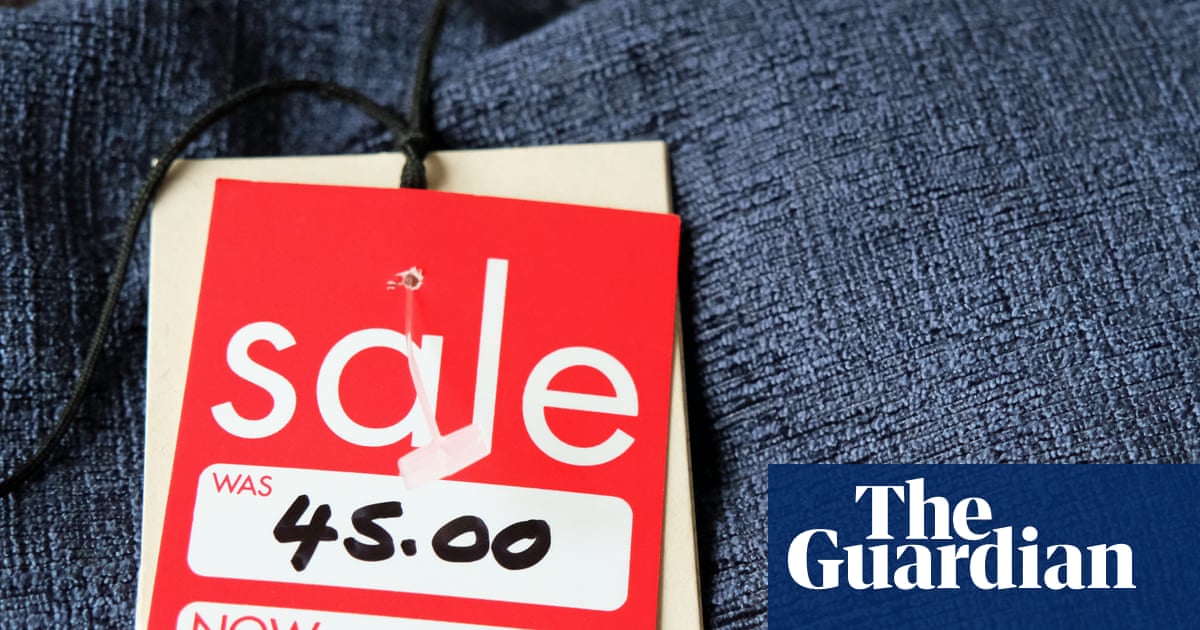
Prime Minister Andy Burnham has pledged to end deceptive pricing tactics, such as fake previous prices and invented discounts, which currently fall under the Digital Markets, Competition and Consumers Act 2024. The proposed changes would automatically deem such practices unfair, simplifying enforcement for bodies like the CMA and Trading Standards.
Imagine a toy store always says a toy is "half price" from £30, but you've never seen it sold for £30, only £15. That's a "phoney bargain." The government wants to make new rules so stores can't trick you like that anymore, making it easier for grown-up helpers to stop them and make sure prices are fair.
Analysis
The issue of deceptive pricing in the UK retail sector has prompted a government initiative to strengthen consumer protection. Many consumers frequently encounter what appear to be significant discounts, only to find that the 'original' higher prices were rarely, if ever, genuinely applied. This practice erodes consumer trust and distorts market competition, making it difficult for shoppers to discern true value.
Digital Markets, Competition and Consumers Act 2024
The existing Digital Markets, Competition and Consumers Act 2024 already prohibits "unfair commercial practices," including misleading actions and omissions by retailers. However, enforcing these provisions against deceptive pricing has proven challenging for regulators like the Competition and Markets Authority (CMA) and Trading Standards. The current legal framework requires demonstrating that a misleading price influenced an average consumer's purchasing decision, a process that is often time-consuming and costly. CMA investigations, for instance, can take several months, hindering swift action against persistent offenders.
To address these enforcement hurdles, the government plans to add specific egregious and false discount claims to the list of 32 practices automatically banned under the 2024 Act. This amendment would remove the need to prove consumer influence, making it significantly easier for regulators to pursue cases. Sue Davies, head of consumer rights policy at Which?, highlights that this change would streamline legal arguments and reduce the burden of evidence required, thereby enhancing consumer protection and deterring businesses from engaging in such practices.
Andy Burnham
Prime Minister Andy Burnham has taken a strong stance against "phoney bargains," publicly pledging to put an end to them. His commitment reflects a broader government concern over consumer exploitation and a desire to restore integrity to retail pricing. Burnham's statement, "If something is advertised as half price, it should actually be half price," underscores the administration's intent to ensure transparency and honesty in discount promotions. This political will is the driving force behind the upcoming government consultation.
The consultation, scheduled for this autumn, will specifically examine whether practices such as fake claims of higher previous prices, invented discounts, and misleading recommended retail prices (RRPs) should be explicitly banned. This move signals a clear policy direction from the highest levels of government to tackle a pervasive issue affecting millions of shoppers. The Prime Minister's intervention elevates the importance of this regulatory reform, indicating a serious effort to protect household budgets from what he terms "rip-off discounts."
Which?
Which?, a prominent consumer organization, has been instrumental in exposing misleading pricing practices across the UK retail landscape. Their research has consistently highlighted the prevalence of "dodgy deals" offered by various businesses, including well-known household brands. For example, late last year, Which? investigated 175 Black Friday offers from eight retailers and found that the majority of products were either cheaper or the same price at other times of the year, debunking the perception of genuine, time-limited savings.
Sue Davies of Which? emphasizes that the lack of clarity regarding what constitutes illegal pricing practices has made it difficult for regulators to take effective action. She believes that explicitly listing specific deceptive pricing tactics as banned under the Act would send a much clearer message to businesses about their compliance obligations. While acknowledging the complexity of drafting such legislation to avoid loopholes, Which? advocates for these stronger, more explicit rules to better protect consumers from being misled by seemingly attractive, but ultimately false, discounts.
Key points
- The UK government plans to consult on new rules to combat misleading retail discounts, dubbed 'phoney bargains.'
- Prime Minister Andy Burnham has pledged to end these deceptive practices, stating that advertised discounts should be genuine.
- The Digital Markets, Competition and Consumers Act 2024 already prohibits unfair commercial practices, but enforcement against dodgy discounts is currently complex.
- Proposed amendments would automatically ban specific false discount claims, simplifying enforcement for the CMA and Trading Standards.
- Consumer organization Which? has repeatedly exposed retailers for misleading pricing and supports clearer, stronger regulations.
The proposed changes could lead to clearer pricing rules, making it easier for consumers to trust advertised discounts and ensuring they genuinely get value for money. This would foster a fairer retail environment and reduce the prevalence of misleading sales tactics.
Despite the government's efforts, the complexity of drafting precise legislation means there's a risk of loopholes that retailers might exploit. This could lead to ongoing challenges for regulators in enforcing the new rules effectively and a continued struggle for consumers to identify genuine bargains.